

A few decades ago, “voice search optimization” sounded like something out of a sci-fi movie.
Today, when we need to find the nearest taco stand, check inventory, or know how to say “dinosaur” in Spanish right that second like my sweet three-year-old nephew, we don’t think twice about asking Siri or Alexa.
From smartphones to smart speakers to smart TVs, conducting web searches with our voice is common. In many cases it is even faster, more convenient and easier than typing a query. That’s probably why the global speech and language recognition market is expected to grow from $9.66 billion in 2025 to $23.11 billion by 2030.
Here’s the catch, though: voice search isn’t the same as text search. This means that we marketers need to optimize our website and content differently to get found. Get into voice search marketing. In this guide, I’ll show you what this looks like and how to get the best results.
Table of contents
What is voice search?
Voice search is an internet search that uses voice recognition technology or conversation to complete the action. In other words, it involves a person verbally expressing what they are looking for rather than typing it.
This can be done through a search engine, where a voice is converted into text and the engine returns a standard SERP, or through a digital assistant (like Apple’s Siri, Amazon’s Alexa, or Google) that listens to the query and responds with an audible response.
Keep this in mind when you’re busy cooking dinner and looking for a substitute for cream cheese, or when you’re giving a presentation to your team and want to know how much a competing product costs. Voice search can help.
This technology is even available in many newer vehicles, allowing you to find a destination or check the weather without taking your eyes off the road.
But how does voice search work?
|
Speech Recognition > Natural Language Processing > Answers |
Voice search may seem like magic, but it’s actually a clever combination of two powerful technologies: speech recognition and natural language processing (NLP).
Speech recognition
When it comes to voice search, the first task is to convert your spoken words into text that a computer can understand. This is called speech recognition or automatic speech recognition (ASR).
This is how it works: When you speak, the device’s microphone listens and captures your voice. The system then converts these sound waves into digital signals that a computer can analyze. It’s like translating between two languages – from “speaking” to “computer language”.
ASR breaks down your voice into a combination of electrical signals, digitizes them, and analyzes the patterns to match them to the correct words. But converting your words into text is only half the story.
Natural Language Processing (NLP)
Once your device knows what you said, it needs to figure out what you really mean. This is where NLP comes into play.
NLP is the field of artificial intelligence that helps computers understand the natural way people speak. For example, if you ask, “What’s the weather?” The system uses NLP to recognize that you are asking for today’s weather forecast, not yesterday or next week.
In other words, NLP analyzes your question to find out your actual intent.
In a standard voice search, a user might start with a sentence (e.g., “Alexa” or “Hey Siri”), followed by a question or statement (e.g., “Where is the nearest dinosaur museum?” or “When is the food truck festival?”). When someone uses voice-to-text in a search engine, they may first need to click a button (such as the microphone icon on Google) and then speak.
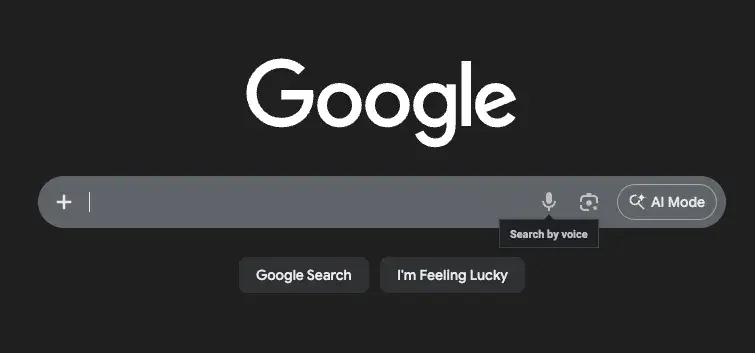
In any case, the device then responds with a spoken answer or, if it has a screen, displays top results from a search engine results page. The goal of voice search optimization is to gain a place in this particular type of search using technical on-page and off-page strategies.
Why optimize for voice search?
According to HubSpot’s “State of Marketing 2026” 73.7% of marketers plan to maintain or increase their investment in voice search optimization this year – and for good reason.
Increasing popularity
Voice search is not a trend. Um 20.6% of the world population People ages 16 and older are using voice assistants to find information, and eMarketer predicts this will happen by the end of 2026 There are over 157 million voice assistant users in the US alone.
To get more detailed, Search engine land points out that optimization is no longer optional for many businesses, with over a billion voice searches conducted monthly and 58.6% of US residents having tried voice search.
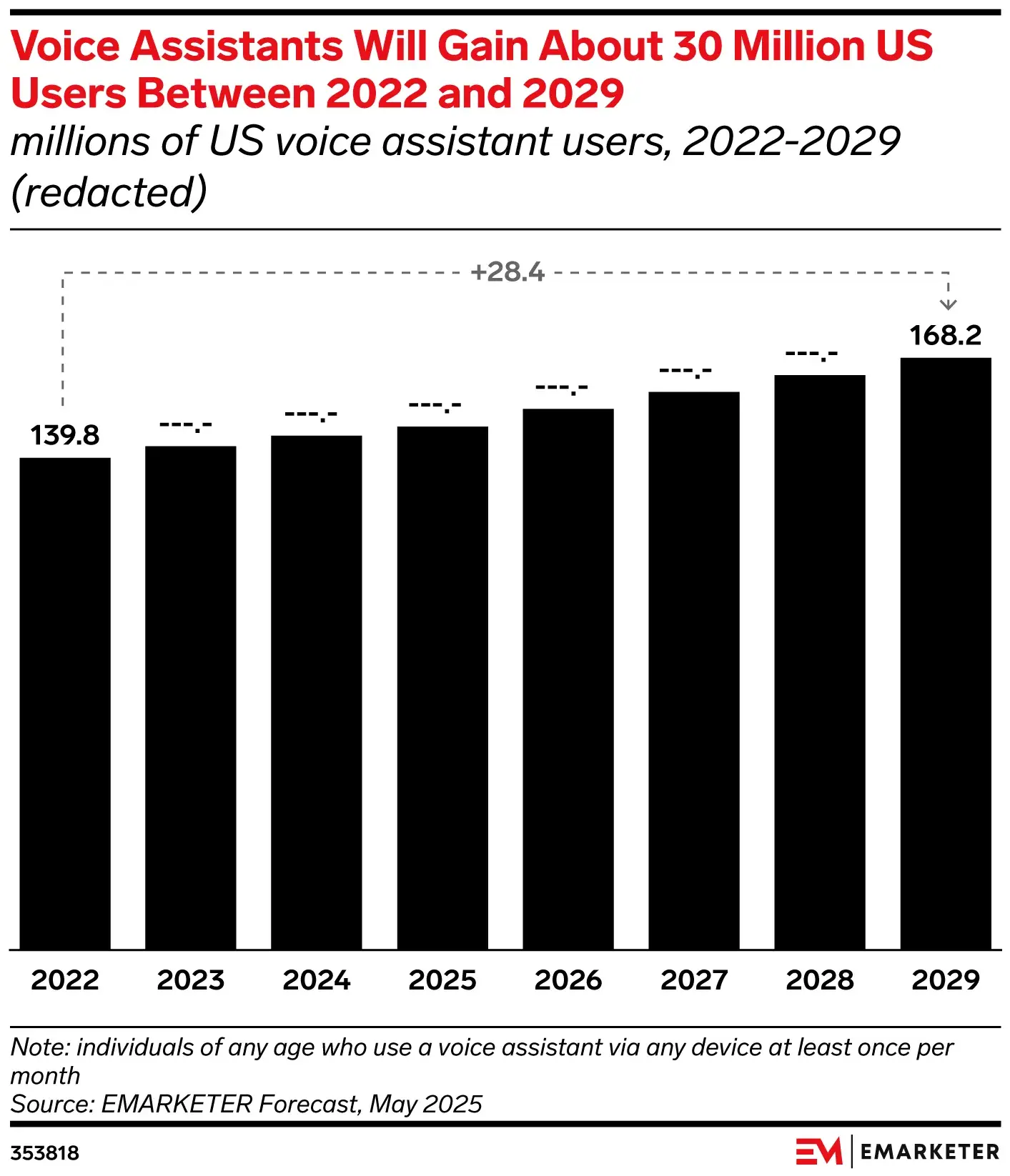
Voice search offers another way to capture organic search traffic, no matter what industry you’re in. This will help you reach new potential customers who rely on smartphones and smart speakers.
Overall SEO impact
Targeted voice search can also improve your website’s overall SEO and rankings. Search engines like when websites are optimized for voice search, which can give your site more authority and therefore higher places on results pages, perhaps even high enough to land in a voice search result.
Stay competitive
When you type a phrase or query into a search engine, you get pages of results, right? (Unless you try the “I feel lucky” button on Google, of course). If you use voice search you will only get one or at most two or three.
Research from 2025 shows that voice assistants typically read information from the top search results, especially “featured snippets” or position zeros. If your company doesn’t rank in these top spots, voice assistant users may never know about you.
Getting to the top of search results is no longer just about appearing on a screen – it’s about being the answer that millions of people hear when they ask their voice assistants for help.
The ROI of voice search optimization
Voice search optimization brings returns to your business in many different ways.
Increase sales
According to Capital One Research: 49.6% of US consumers use voice search to shop (154.3 million Americans). If someone asks their voice assistant, “Where can I buy organic dog food near me today?” You’re further along the buyer’s journey than someone casually browsing search results.
There is a sense of urgency and intent when it comes to voice search. Often at this moment the user is ready to visit a store or make a purchasing decision. By optimizing for these high-intent searches, you position your business to capture these sales and increase revenue.
Local brand awareness
While good voice search performance is a nice little plus for any business, it’s especially beneficial for local businesses.
All the assets you develop for voice search optimization (e.g. an optimized Google business profile, consistent NAP information across all directories, schema markup for local business data, and mobile-friendly website design) add value. Not only do they help you with voice search, but they also strengthen your overall local SEO performance in traditional search.
For companies serving local markets, voice search optimization isn’t just about conquering a new channel; It’s about being discoverable when nearby customers need your services most.
Future-proof
Voice search is on the rise but is still in its early adoption phase. By investing in language optimization now with structured data implementation, conversational content, featured snippet targeting, and comprehensive local SEO, you can create visibility before the competition gets big.
Early adoption also signals to search engines that your company provides helpful, well-structured information that serves users across multiple search options. This authority can lead to better rankings for all search types, not just voice queries.
Companies that optimize for voice today position themselves for success in tomorrow’s more diverse and conversational search ecosystem.
How is voice search different from text search?
If you are a web professional, be it a marketer, website owner, or SEO specialist, you are probably familiar with general SEO techniques for ranking higher in search results and may be wondering why voice search needs its own optimization category.
Although there is overlap between In addition to on-page search optimization and voice search optimization, there are also fundamental characteristics of voice search that differentiate it from a text search on a site like Google.
Namely, Voice searches are more conversational than text searches.
When we humans speak to our devices, we phrase our search queries differently, closer to the way we actually speak in real life than to abbreviated phrases we type into search engines.
For example, in a voice search, you might ask, “Which museum in New England is the best to learn about dinosaurs?” If you were doing a text search, you would probably type something like “best dino museum near me.”
(Yes, as I write this, I’m also doing research for my nephew’s next visit. That’s called multitasking.)
Because of this, search engines needed to better recognize the importance of longer, conversational search queries and deliver relevant results.
Google’s Hummingbird and BERT algorithm updates shifted focus to Search intentrecognizes each underlying meaning of queries (instead of just individual keywords) and delivers more relevant results for more conversational voice queries.
In our dinosaur example, I’m not just looking for any old museum; I want to find the very best dinosaur museum in my region. Fortunately, you don’t need to overhaul your existing SEO strategy to capture voice search traffic. In the next section, we’ll cover some techniques to help you.
1. Targeted questions and other long-tail keywords.
As previously mentioned, voice searches are typically worded differently than text searches. They are longer, more specific, and more likely to consist of complete sentences than unrelated keywords because that’s how we speak.
This is why one of the best ways to optimize for voice search is to target long-tail keywords, especially questions, in your content.
Long-tail keywords are phrases with three or more words and are an important part of keyword optimization and SEO in general.
They attract qualified traffic better because they are more targeted to the user’s intent. You can also fine-tune your business (e.g. “Denver area spas” instead of just “Spas”), which means less competition on the results page.
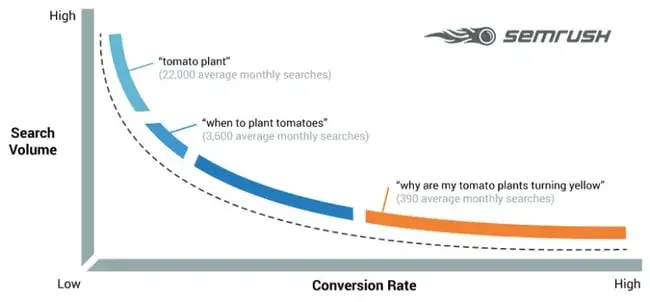
To find QuestionsThink about “who,” “what,” “when,” “where,” and “how” as it relates to your product or industry.
Remember that too Popular Buying Questionssuch as price, alternatives and competitor comparisons. Incorporating these into your page copy with direct, satisfying answers, as well as off-page elements (like image alt tags), will help you compete for a spot in voice search results.
I know that trying to cram a bunch of questions and answers onto one page can result in an unpleasant user experience. If you’re worried about this or have too much information on one page, try creating a frequently asked questions (FAQ) Section at the bottom of your page or even a page dedicated to them.
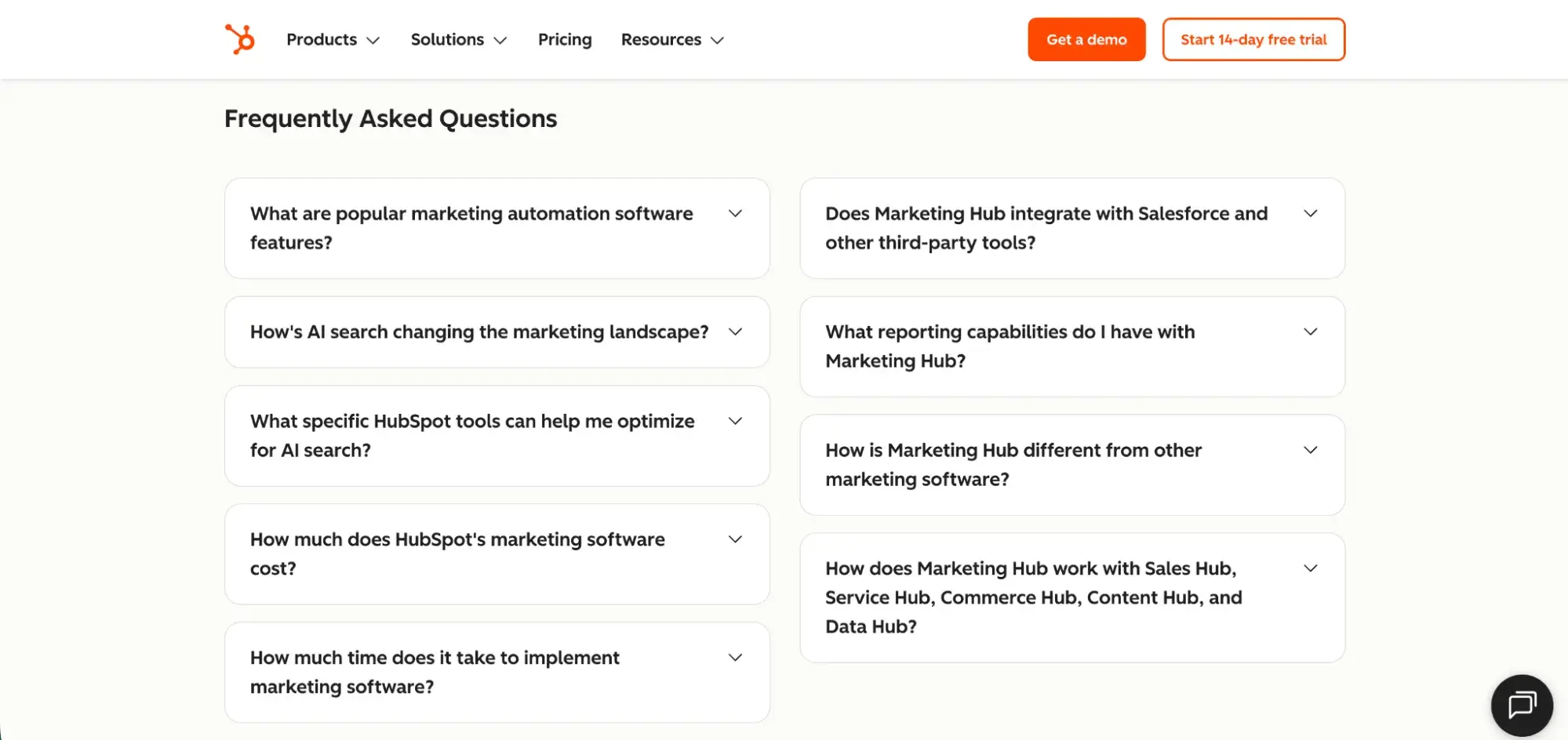
This content format is also ideal for featured snippet placement on Google and answer engine optimization (AEO), but more on that later.
Pro tip: Use one or more keyword research tools, such as: AnswerThePublicto identify the most relevant keywords for your target customer.
You can also take inspiration from the “Related Searches” or “People Also Ask” sections of the Google results page to find out what questions your audience asks most often. Type a search for your business and see what Google recommends.

Read: The 14 Best AI SEO Tools and How I Use Them (New Data)
2. Use conversational language.
I can’t say it enough: voice searches are conversational. So give your content a conversational tone to meet users where they are. Not only does casual writing feel more authentic and easier to read, but it is also often interpreted as more relevant to language queries.
Use casual and first-person language in blog posts (e.g., “I,” “I,” “you,” “we”), avoid jargon and overly technical language, and add a touch of humor to support your arguments.
However, this is not a license to downgrade the quality of your content. You can adopt a casual writing style and still provide visitors with real added value. Google still values high-quality content; Just write it (almost) as if you were saying it out loud. If you want to follow an established brand voice, make sure the tone of your content leans more toward the lighter side of that voice.
3. Prioritize local SEO over voice search.
Local SEO is the process of improving search engine visibility for local businesses, especially brick-and-mortar businesses. Local SEO is crucial for these businesses because it targets potential customers in nearby areas who are most likely to visit and purchase.
As we discussed earlier, this is also one of the best ways to optimize voice search. This is what business listings look like in Google Map results:
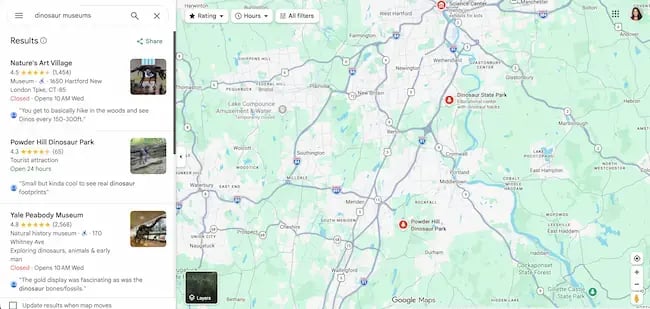
There are many ways to improve your local SEO, but the most important is creating and maintaining a Google business profile. This is the listing that shows up when you search for something like “___ near me.” It tells visitors your location, contact information, opening hours, directions, and other useful information.
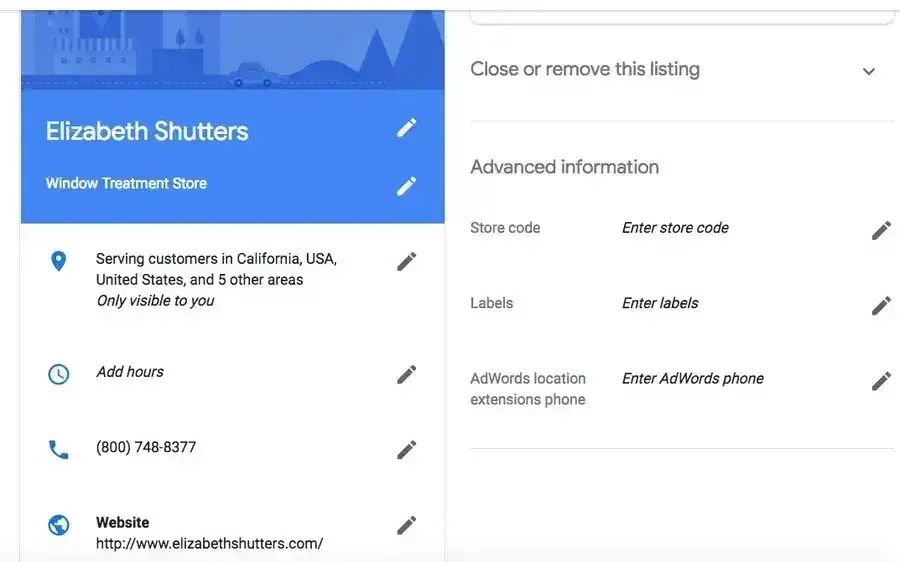
source
Voice search results often pull information from these profiles. But that’s not the only way to optimize for local SEO. You should also:
- Optimize online directories and citations.
- Optimize URL, title tags, headers, meta description and content.
- Add location landing pages to your website.
- Get backlinks from local, relevant and authoritative sources.
- Encourage customers to leave reviews on Google
We’ll go into some of these in more detail later, but you can see the implementation of these and others in “Everything you need to know about local SEO.”
4. Try to capture Google featured snippets.
Google reports that almost 60% of search queries now end without a click. That’s because many users get what they need directly through AI overviews, knowledge panels, and of course featured snippets.
Google featured snippets are short pieces of content (paragraphs, numbered or bulleted lists, or other formats) that appear above organic search results on the Google results page. They come from a website that ranks high for the search query and, when captured, can provide a significant increase in traffic.

source
But what does this have to do with voice search optimization?
If a query has a featured snippet, virtual assistants (especially those running on Google) are more likely to read that content as a response. So it’s a huge competitive advantage to capture it.
Unlike a Google Business profile, you can’t guarantee that you’ll end up in a Google featured snippet, but there are steps you can take to improve your chances.
Check out our optimization guide for Google’s Featured Snippet Box for a detailed explanation.
5. Use schema markup.
Schema markup is a type of structured data – in web developer jargon, it means code that you add to your website that helps Google and other search engines provide more detailed results.
It typically contains important information about your business, such as hours of operation, address, phone number, website, pricing, and reviews, and benefits your site’s SEO in general, not just voice search SEO.
Although invisible to human visitors, schema markup helps search engines better understand your site’s content, improve your visibility in search results, and get you more clicks. Plus, you’ll be better prepared to appear in featured snippets, AI search, and overall rich results, increasing your chances of landing in voice search results and answer search engine citations.
Useful structured data for voice search marketing includes:
- LocalBusiness schema
- FAQ page schema
- HowTo scheme
- Item schema
- Product scheme
- Check the schema
To get started, check out our Beginner’s Guide to Structured Datathen take a look at ours Introduction to using schema markup on your website.
6. Optimize for mobile devices.
Mobile devices Account for over 60% of them Worldwide Internet traffic. For this reason, Google considers the mobile user experience an integral part of a good website and takes it into account in its rankings.
To get results for both text and voice searches, use responsive design and find other ways to make your site mobile-friendly. This is another step to help you stay competitive in voice search.
Pro tip: The HubSpot Marketplace is full of them free mobile responsive website templates to make optimization easier for you.
7. Keep your website fast.
A website’s technical performance is just as important to your website’s search as on-page performance, especially site speed.
Actually, according to LiquidWeb53% of consumers believe that a website’s speed is a reflection of brand quality. 43% are frustrated if a website doesn’t load within 10 seconds (which feels like an eternity when you experience that), and 22% would even leave the site.
Like mobile optimization, page load time is another Google ranking factor that affects how well your website appears in voice search results and beyond. Again, it’s all about the experience: Google wants to show results that make us happy, not frustrating.
Googles Chrome UX report We found that on mobile devices it takes an average of 1.9 seconds for a website to load the main page content, while on desktop it takes slightly faster at 1.7 seconds. If you don’t reach these numbers (see Website Grader), there are many ways to speed up your website.
Go through our list Performance optimization steps for tips.
8. Optimize for “near me” searches with location-specific content and variations.
I know what you’re thinking: “Haven’t we already talked about local SEO?” And we have, but while those tactics focused primarily on improving your local presence and online reputation for voice search, this is about how to optimize your website for voice search.
To optimize your website for “near me” searches, I recommend creating local landing pages or location-specific blog content for each service area. I saw great results using this tactic with clients years ago, and it’s still effective.
Even if you’re a business with just one location, dedicated pages (or landing pages) for “Business Consulting in Brooklyn” or “Belly Dancing Classes in Hartford” provide search engines with clear geographic and service data that they can note and distribute to relevant users.
Incorporate your location naturally into your text, like professional belly dancer Laska does on her website.

Use phrases like:
- “(Your service) near me”
- “(Your product) nearby”
- “(Your business type) now open”
- “Best (your service) based in (city/municipality, state)”
Additionally, make sure your name, address, and phone number are consistent across all online platforms (e.g., social media, your website, review site listings).
Voice assistants don’t want to risk giving users incorrect information. Therefore, inconsistencies in this information can confuse bots and prevent them from quoting you.
9. Track voice search performance.
As with any marketing endeavor, improving your voice search optimization requires setting goals and tracking metrics to assess how well your strategy is working toward those goals. Here are the critical metrics marketers should monitor:
- Long-tail keyword performance: Track your rank for long-tail keywords like question-based content.
- Selected Snippet Appearances: Tools like SEMrush or Ahrefs Offer tools to monitor how many featured snippets or “position zeros” your site has and for which search queries.
- Mobile performance: Monitor session duration, time on page, and bounce rates specifically for mobile traffic. Longer sessions usually mean that the content fits well with voice-activated pages. Language users also tend to be action-oriented. So pay close attention to mobile conversion rates.
- Local search traffic: Your referral traffic from review sites and number of Near Me appearances are helpful indicators of your local footprint. You may also want to track the number of reviews you have, as these can also contribute to your ranking.
- Website speed: Make sure your pages meet Core Web Vitals standards for speed, responsiveness, and visual stability. Slow-loading pages will struggle to compete for visibility in voice search, regardless of content quality.
To grow effectively with these metrics, establish a regular monitoring cadence. Review featured snippet performance weekly, analyze query trends monthly, and conduct comprehensive voice SEO audits quarterly.
Use Google Search Console For query data, combine it with your marketing or analytics platform like HubSpot for behavioral metrics and use SEO tools like SEMrush, Ahrefsor Moz to track featured snippets and rankings.
The key is to connect voice search visibility to business results – qualified traffic, conversions and sales. By tracking these specific indicators, you can demonstrate the value of your language optimization efforts and refine your strategy based on real performance data.
Voice Search Optimization FAQs (No Need to Ask Alexa)
Is voice search optimization worth it?
Yes, voice search optimization remains a worthwhile investment, but it’s important to have realistic expectations. Accordingly eMarketersBy 2028, the number of voice assistant users in the U.S. is expected to reach 170.3 million, growing at a steady CAGR of 3.3%.
But why the expected growth? In February 2024, a survey by eMarketer found that search emerged as the leading use case for voice assistants in the US, showing that people rely on voice for more than just entertainment or device control.
For businesses with physical locations, the ROI can be even better, as voice searches often have a strong local focus (e.g. search for nearby businesses, opening hours, and directions).
What are the five voice search platforms?
The top five voice search platforms businesses should consider are:
- Google Assistant — (92.4 million users) Google Assistant sources answers primarily from Google’s search index and featured snippets, so traditional Google SEO optimization is directly applicable.
- Apple Siri — (87 million users) Siri is integrated across the Apple ecosystem (iPhones, iPads, Macs, HomePods) and relies on multiple search sources, including Google and Apple’s Knowledge Graph.
- Amazon Alexa — (77.2 million users) Alexa dominates the smart speaker market through Echo devices. Alexa uses Bing search results and Amazon’s product database.
- Microsoft Cortana — While Cortana is less known on consumer devices, it is available for Windows and Microsoft 365 and is aimed at business and productivity users.
- Others (e.g. Samsung Bixby) — Bixby is available on Samsung smartphones and smart home devices and offers voice search within the Samsung ecosystem.
To maximize visibility across all platforms, I would say you should prioritize Google SEO optimization (which both Google Assistant and Siri benefit from). And if you’re a local business, keep your Google business profile and Apple Maps listings updated and set up with Bing Places.
How can voice search be improved?
To improve your voice search performance, focus on matching how people actually pronounce their search queries.
- Target conversational long-tail keywords. Voice queries are usually longer and more naturally worded than typed search queries. Instead of “Plumber Boston,” users ask, “Who is a good, affordable plumber in Boston?”
- Structure content for featured snippets. Create FAQ pages and content with clear questions and concise 40-60 word answers. Use bullet points and numbered lists to make skimming easier and increase your chances of being selected as an answer.
- Strengthen local SEO. Claim your Google business profile and fully optimize it with accurate hours, location, phone number and categories. Make sure your NAP (name, address, phone) is consistent across all directories and profiles.
- Optimize for mobile and speed. Since voice search occurs predominantly on mobile devices, ensure your website loads quickly and offers a seamless mobile experience.
- Implement schema markup. Use structured data to help search engines better understand your content, especially for frequently asked questions, local business information, reviews, and events.
- Write conversationally. Create content that sounds natural when read aloud. Use question-based headings and provide direct, helpful answers.
Is voice search the future of SEO?
Voice search is definitely a part of the future of SEO, along with artificial intelligence, visual search, and whatever else is coming our way. Keywords are “part of”.
Accordingly eMarketersVoice assistant adoption is steadily increasing, with Generation Z expected to reach 64% adoption by 2027 (up from 51% in 2023). Analysis of Search Engine Land points out that voice assistants are expected to reach 8.4 billion units worldwide – more than the world’s population.
But search behavior is becoming more and more diverse. Consumers use social media, voice search, image search, and AI chatbots to search depending on the context, while traditional text search continues to dominate overall usage.
However, the most strategic approach is to integrate, not replace. Voice search optimization means better content quality, stronger local presence, and improved user experience, but all of these things also help your overall SEO.
Conclusion: Voice search is here to stay and will continue to grow, but it exists alongside other search methods. Companies that integrate language-friendly strategies now – natural language content, local optimization, structured data – will be well-positioned for further growth while improving their traditional search performance.
Make your “voice” heard with voice search optimization
Over the last decade, voice search has become a major player in the SEO world, and unlike the dinosaurs I’ve researched about, it’s not going away any time soon.
Not only should you be aware of voice search queries, but you should also actively work to capture this important segment, especially if you are a local business trying to generate website and foot traffic.
By following the above tips, you will get your website a good reputation with search engines, which in turn will help you generate more traffic through voice search. Even if you don’t see immediate results at first, these steps will also benefit your website’s overall SEO. Siri, that sounds like a win-win situation.
Editor’s Note: This post was originally published in June 2022 and has been updated for completeness.