

An attribution window is the defined period of time during which a conversion can be attributed to a marketing touchpoint – such as an ad click, an email open, or a page view. Window length directly impacts how conversions are counted, how channels function, and how budget decisions are made. Platforms use different default settings, and these differences often lead to mismatches in the data between different tools.
Marketers use HubSpot’s attribution reports to compare model results with consistent lookback periods and target windows across platforms. A marketing attribution window determines which touchpoints are eligible for conversion credit, determining how teams interpret performance and make decisions about spend, messaging, and channel mix.
Explore our attribution modeling guide for a deeper insight into allocating credit across the entire customer journey.
Table of contents
What is an attribution window in marketing?
A marketing attribution window is the time period during which a marketing touchpoint can receive credit for influencing a conversion. This window determines which interactions qualify and controls how analytics tools assign credits. Most platforms set default windows, but marketers adjust these based on sales cycle length, campaign type, and channel behavior.
The attribution window affects conversion counting. If a window lasts 7 days, tools evaluate the touchpoints that occurred within that period. If the duration is 30 days, the tools evaluate a larger number of interactions. Platform standards influence reporting accuracy because each tool uses its own assumptions about how long a touchpoint remains relevant.
Consumer brands often experience rapid purchase cycles. Buyers typically click and convert within hours or days. Short attribution windows capture this pattern without including disjointed traffic.
B2B software teams operate with longer consideration cycles that include early research, content engagement, and nurturing activities. Prospects interact with ads, webinars, and product pages over several weeks. Longer windows capture these extended journeys.
Pro tip: Start with the platform standards and then adjust based on actual user behavior and your sales cycle.
Marketers use attribution windows in conjunction with broader measurement frameworks. Learn more about how windows interact with credit allocation in our guide Attribution modeling.
Why the attribution window is important
Attribution windows influence how Marketing, RevOps, and Finance interpret performance. Short windows highlight lower funnel activity and credit touchpoints that lead to immediate action. Longer windows make longer evaluation paths visible and show the influence of remarketing, content and nurture programs. Adjusting the window changes revenue credit, ROAS values, and budget allocation decisions.
Window length shifts conversion attribution. Misaligned windows result in inconsistent metrics across platforms, impacting how teams interpret channel impact and spend efficiency.
Meta ads often use standard short-click and view-through settings. These default values take into account conversions that occur shortly after an impression or click.
HubSpot attribution reports uses consistent lookback periods across all channels and assesses a broader set of touchpoints. This difference often results in Meta reporting higher conversion counts while HubSpot spreads credit across a broader set of interactions.
Marketers reviewing channel-level ROAS, CAC, and revenue often tie their analysis to window logic. For more information on how these metrics work together, see our articles on advertising metrics, display ad performance analysis, and ROAS buckets.
How different window lengths affect ROAS, CAC and revenue reporting
Impact on ROAS, CAC, and revenue reporting by window length
|
Window length |
Impact on ROAS |
CAC Impact |
Impact on sales reporting |
|
1-7 days |
Higher ROAS for lower funnel ads |
Lower CAC due to faster conversions |
Counts current clicks or impressions |
|
14-30 days |
Balanced ROAS across all channels |
CAC reflects mixed intentions |
Captures the impact of nurturing and remarketing |
|
30-90 days |
Lower ROAS for short cycle channels |
Higher CAC for lower intent campaigns |
Distributes credit on multi-touch trips |
Attribution window types
Marketers use different types of attribution windows to measure how different interactions contribute to conversions. Each window captures a specific type of interaction, e.g. E.g. clicks, views, re-engagement or deep link actions. Many platforms use a mix of these windows to allocate funds.
Clickable windows
Click-through Windows Credit conversions that occur within a set number of days after someone clicks an ad or email. These windows drive the most conversions reported by the platform and reflect clear, high-intent actions.
Best for: High Intent Traffic
What we like: Clear behavioral signal linking the action to the result
Marketers who examine credit attribution across channels can examine the impact of click activity Last click attribution. Click-through windows also appear in the comparison table later in this section.
See-through window
A view-through window counts conversions that occur after a user sees an impression, even without a click. Platforms use these windows to measure upper funnel influence and early engagement signals.
Pro tip: Use view-through windows with caution for awareness channels where impressions grow quickly.
View-through attribution is based on impression data. A high impression volume on display or social media campaigns can significantly influence the level of recognition for awareness programs.
Conversion window
A conversion window measures how long a user has to complete a goal after interacting with a campaign. Ecommerce tools and CRMs use these windows to determine eligibility for a sales credit.
Short changeover windows, e.g. B. 1-7 days are suitable for fast-moving purchases. Longer time frames support products or services with more evaluation steps in terms of content, email or retargeting.
Teams often misconfigure conversion windows when they use default platform settings instead of adjusting window length based on actual purchasing behavior. This misalignment impacts sales trends and the interpretation of lead quality, especially in B2B environments.
Window for reintegration
Re-engagement windows apply to retargeting and lifecycle campaigns. They determine how long a user remains eligible for follow-up ads or nurture flows.
Best for: Multi-stage journeys
Use case: A SaaS user participates in a free trial and then receives targeted ads or emails encouraging them to upgrade during a defined reactivation period.
These windows help marketers align reach with key lifecycle milestones and user activity patterns.
Deep linking duration
Deep linking windows determine how long mobile touchpoints remain valid when a user lands in an app via a specific link or ad. These windows are important for mobile measurement because they influence how platforms assign credit to in-app actions.
What we like: Strong signal for mobile attribution and app-based conversions
Mobile measurement partners like AppsFlyer and Adjust often use standard deep linking durations ranging from minutes to days, depending on app behavior and funnel length. Marketers adjust this window to reflect the expected time between app adoption and conversion.
Comparison table: Attribution window types
|
Window type |
Typical area |
Best for |
Key trap |
|
Click through |
1-30 days |
High Intent Campaigns |
There may be a lack of influence at the impression level |
|
Perspective |
1-7 days |
Consciousness and representation |
Can increase the effect when the impression volume is high |
|
Conversion |
1-90 days |
E-commerce, CRM-based attribution |
Mismatch with the real sales cycle |
|
Re-engagement |
7-30 days |
Retargeting and lifecycle |
Can expand reach beyond user interest |
|
Deep linking |
Minutes–days |
Mobile apps and in-app events |
Loss of credit if the term is too short |
Click-through Windows credit conversions that occur after a click. View-through Windows credit conversions that occur after an impression without a click. Lookback windows determine how far back a model can look for suitable touchpoints. Clear rules for each window type help ensure conversion attribution remains consistent across reports and tools.
How long should my attribution window be?
The ideal attribution window depends on channel behavior, campaign objective, and sales cycle length. Shorter time frames are suitable for low-cost purchases, while longer time windows support B2B journeys, multi-stakeholder decisions, and longer nurture cycles. HubSpot Marketing Hub helps teams test different window lengths and assess conversion trends across attribution models.
The length of the attribution window influences conversion eligibility. Marketers often start with standard windows based on known customer behavior. These default values provide a basis for early reporting.
Teams adjust window length as real data comes in. This approach links window settings to actual shopper patterns rather than assumptions.
A simple testing process helps teams refine their window over time:
- Create a base report with the current attribution window.
- Duplicate the report in a separate window (e.g. 7 days vs. 30 days).
- Compare changes in attributed conversions, ROAS, CAC and channel mix.
- Document the selected window in your reporting playbook and apply it to all campaigns.
This approach gives marketers a clear way to customize window settings without losing historical context.
Fast-moving purchases (DTC + low ACV)
Typical window: 1-7 day click
Why: Quick decisions and mobile-first behavior that lead to quick conversions
These short windows reflect patterns common in e-commerce, subscription boxes, and low-cost digital products. Conversions often occur within hours or days of the first click, so short windows capture the majority of relevant traffic.
Use campaign attribution reports to evaluate short-term performance of ads, emails, and landing page activity. Short windows highlight the channels that drive quick engagement and near-instant action.
Mid-funnel lead generation (B2B, PLG)
Typical window: 7-14 day click
Why: Prospects engage with multiple assets before submitting a form or starting a trial
Mid-funnel programs often involve multiple touches across content, emails, and product pages. A medium-length window captures these interactions without stretching the credit too far.
What we like: balanced signal strength and practicality. This window supports measurement without increasing the impact of early exploration activities.
Long B2B sales cycles
Typical window: 30-90 day look back
Why: extended research phases, evaluation periods and stakeholder involvement
Enterprise and high ACV products often require weeks or months of training and internal coordination. A longer window captures early stage content activity, partner recommendations and drives engagement.
Pro tip: Adjust the window length to the actual CRM deal velocity data. This approach keeps reporting tied to actual purchasing behavior and supports consistent trend analysis across quarters.
Multi-channel campaigns (paid + lifecycle + organic)
Typical window: 30 days across channels
Why: mixed intent and multiple touchpoints across ads, email, content and direct traffic
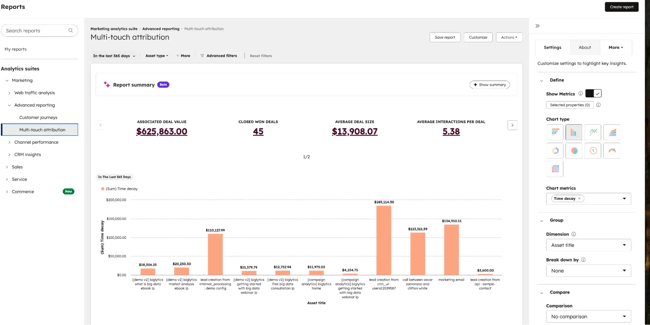
Cross-channel journeys often span multiple weeks, especially when campaigns include retargeting, nurturing flows, and deeper content engagement.
Best for: Account-based initiatives where multiple stakeholders interact with different assets before a demo request is made or an opportunity is created.
How attribution windows impact KPIs and budget decisions
A longer attribution window increases attributed conversions and can make awareness channels appear more effective. A shorter window reduces credited volume and highlights lower funnel channels. Conversion attribution shifts each time the window changes because different sets of touchpoints are eligible for credit. These changes impact ROAS, CAC, revenue distribution, and cross-channel comparison.
The window length directly controls the sales credit. Long windows capture longer journeys and honor previous interactions. Short windows focus credit on current exposures. These changes impact the way teams interpret ROAS, CAC, and return on channel investments.
A typical example is the difference between a 7-day meta click window and a 30-day HubSpot lookback period. Meta can credit a conversion that occurs within a week of the click. HubSpot attribution reports uses a consistent 30-day lookback to assess a broader set of travel touchpoints. This difference results in discrepancies in credited conversions, ROAS summaries, and budget conversations.
Teams reviewing acquisition costs often turn to our guidance on ROAS buckets to understand how shifts in window length impact performance patterns.
Frequently asked questions about attribution windows
What is the difference between an attribution window and a lookback window?
The lookback window determines how far back the model looks for touchpoints. An attribution window focuses on the time period during which a touchpoint can receive credit. A 30-day review provides an overview of the entire month’s activities. A 7-day click window takes into account touchpoints that occur within a week of a click.
HubSpot Attribution Reporting uses consistent lookback periods across all channels, helping teams compare model results and see how window logic impacts revenue credit.
How often should I check my attribution window settings?
A quarterly review works well for many teams, especially when seasonality or purchasing patterns change. A window can be misaligned when conversion timing changes, when new channels are added, or when deals take longer to close.
Cross-platform alignment is also important. Teams often review window settings when they notice gaps in reporting between advertising platforms and HubSpot, or when new leaders demand more predictable forecasts.
Do attribution windows affect multi-touch attribution results?
Yes. Window changes determine which touchpoints are eligible for credit. Window settings affect multi-touch models because each model uses the window to determine which interactions are involved in credit distribution.
A narrower time window includes fewer touchpoints and focuses recognition on current engagements. A wider window includes early content, lifecycle stages, and remarketing activities in the model.
Why don’t my platform metrics and HubSpot reports exactly match?
Most platforms use different default windows, resulting in different credited conversions. Some tools credit impression views. Others credit clicks or deeper behavioral signals. Data availability also varies by platform, especially for view-through or impression-based reports.
Pro tip: Align windows across tools for more accurate comparisons. Shared logic reduces discrepancies and provides a clearer view of channel contribution. A simple alignment process looks like this:
- Select a default window for important goals, such as: B. a 30-day lookback for lead generation.
- Where possible, update ad platforms and analytics tools to comply with this standard.
- Use HubSpot’s attribution reports as a central source of information for channel comparison and planning.
Should see-through windows be used for all channels?
No. View-through windows are best suited for high impression volume display, awareness, and mobile campaigns. These channels benefit from early tracking of influence and brand presence.
Performance channels based on high-intent actions may not require wide view-through windows. Many teams track both view-through and click-through activity in HubSpot to assess impact throughout the journey.
First steps
Windows aligned across all platforms support more transparent reporting, reduce discrepancies and strengthen budget decisions. HubSpot Marketing Hub simplifies this process with attribution reporting that compares model results over a consistent lookback period and allows teams to reliably assess performance.
Teams evaluating attribution tools can also check out our guide to three types of marketing attribution software to find a solution that supports their reporting approach. Experience shows that aligned windows help marketing and RevOps teams gain clarity more quickly during planning cycles and support more informed conversations about which channels drive real results.