

Many creators turn to Substack because it offers an easy way to publish content, earn money, and share valuable insights without the need for complicated tools.
Substack removes the usual hurdles that prevent beginners from starting a newsletter. There is no need to learn design, set up complicated software, or manage multiple platforms. Everything is integrated so developers can focus on writing instead of dealing with technology.
Readers subscribe, creators share valuable insights, and the platform makes it easy to get paid.
This simple exchange is what makes Substack so attractive. Readers get direct access to helpful content in their inbox, while creators create a space for their ideas to grow into a community. The platform takes care of payments, distribution, and emailing, giving creators more time to improve their content.
Still, earning on Substack works best with a clear plan, consistent content, and a structure that guides readers from free posts to paid subscriptions.
This guide explains the exact steps to start monetizing on Substack, how to build a strong foundation, what mistakes to avoid, and the easiest ways to grow.
Why Substack is good for monetization
Substack stands out because it focuses on writing and community rather than complex design or technology. It provides developers with built-in tools for:
- Publishing newsletters
- Offering paid subscriptions
- Selling premium contributions
- Create podcasts
- Manage email lists
- Building a loyal reader base
No advanced technology, extensive setup, or expensive software is required. Many YouTubers see Substack as a low-barrier entry point to passive income, especially for niche-oriented topics like parenting, marketing, fitness, lifestyle or commentary.
Step 1: Choose a clear niche and target audience
Clear niches make monetization easier. Readers want something specific, helpful, and consistent. The narrower the niche, the stronger the bond with subscribers.
A niche doesn’t have to be complicated. It can be something like:
- Beginner-friendly fitness courses for women who are returning to exercise after a long break
- simple marketing tips for small business owners looking to automate tasks with n8n or Zapier
- Productivity lessons for remote workers juggling home and office tasks
- Stories from everyday life with clear insights for young adults mastering the challenges of their early careers
- Industry news breakdowns for creators who want simplified updates on AI tools or the Creator Economy platform
Choose a topic that you can write about regularly and still be able to Find new content ideas. Broad niches can work, but Substack tends to reward specialties because subscribers pay for meaningful value.
Step 2: Set up your Substack for success
A strong foundation encourages readers to subscribe. Here are the main things you need to set up:
Profile page
Add a clear headline that tells readers what the newsletter is about. Something like “Simple tips for designing yours.” Newsletter strategy“is better than a vague description.
Welcome page
Explain who the newsletter is aimed at, what topics will be covered and how often readers can expect new posts.
Release schedule
Choose a realistic one Rhythm of the content calendar You can maintain. For beginners, once a week or twice a month is enough.
Visual branding
Choose simple colors, clear images, and an easy-to-read layout. Substack newsletters work best with minimal design.
Step 3: Create content that inspires trust

Strong content is the foundation of Substack monetization. Readers subscribe when the content feels valuable, clear, and easy to understand. The goal is not perfection. The goal is to help readers learn something, feel understood, or find a solution without overwhelming them.
Here’s a simple framework to make content creation easier.
Choose a content style that suits your niche
Creators typically find success with one or more of these styles:
- actionable tutorials
- Beginner-friendly glitches
- curated lists or resources
- Personal stories with takeaways
- Industry commentary
A clear goal leads to loyal readers.
Use a simple writing formula
This structure helps each newsletter feel organized:
- short hook to introduce the topic
- a simple one Content breakdown of the idea
- clear steps or bullet lessons
- practical take-away
- Optional question to encourage answers
Add examples to make the content easier to understand
Concrete examples serve as a shortcut to understanding.
Instead of saying:
“Provide valuable content.”
Try something like:
“Share a weekly tip that solves a common problem readers face.”
Offer variety while maintaining a simple structure
Readers stay engaged when content remains consistent in tone and timing. A consistent publishing cadence, whether once a week or twice a month, helps readers know when to expect new updates. Within this rhythm, switching between different types of posts ensures that the newsletter stays current without burdening your workflow. This can include tutorials, resource lists, short stories with insights, or quick Q&A-style insights that add variety while supporting your main topic.
Give readers a clear profit per newsletter
Whether it’s a technique, a mindset shift, or a resource, a clear benefit makes readers feel like your content is worth reading regularly. These predictable value points will later support making money with newsletters.
Step 4: Decide how you want to make money
There are several ways to make money on Substack. Choose the one that suits both your target audience and your content style. These options form the basis of most Substack monetization tips.
Paid newsletter subscriptions
This is the most common method. Readers pay monthly or annually for premium content that goes beyond free posts.
Premium Content may include:
- additional weekly newsletters
- exclusive insights
- Templates
- resources
- Advanced tutorials
- Behind the scenes content
One-time purchases
Creators can sell:
- E-books
- Leader
- Templates
- digital products
- Special reports
This works well for audiences who prefer to pay once rather than a long-term subscription.
Founding memberships
Some subscribers may want to show additional support. This tier gives them the opportunity to contribute more money in exchange for perks such as:
- private Q&A access
- early access to content
- additional materials
Affiliate programs and sponsorships
If the content niche is strong, sponsorships can also be offered. Brands can pay for mentions or placement in the newsletter.
Pricing Strategy for Substack Creators
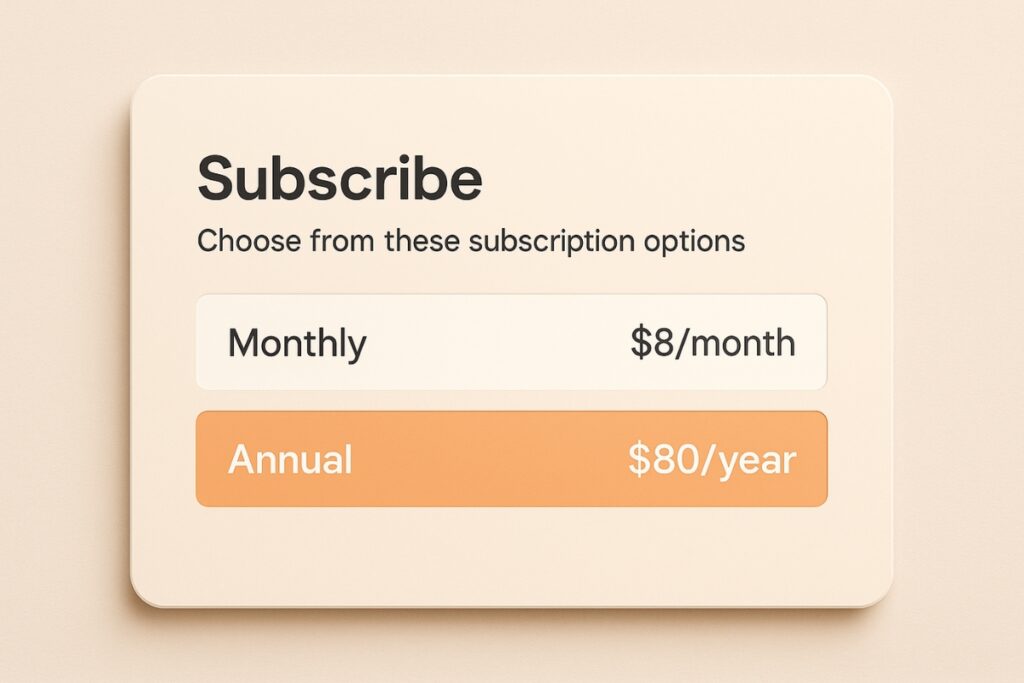
Choosing the right pricing strategy helps subscribers understand the value of your paid content. Substack makes pricing flexible, but beginners often struggle with how much to charge, when to introduce paid tiers, and how to structure monthly and annual plans. A simple and consistent approach works best.
Keep pricing simple
For most beginners, a single paid tier works best. Too many options create confusion. As the newsletter grows, additional tiers may be added for special perks or premium access.
Simple pricing encourages readers to sign up without overthinking the decision.
Offer both monthly and annual options
Monthly plans offer readers a low-effort entry point. Annual plans create long-term stability. A good structure is:
- Monthly for casual readers
- Annually for committed readers who want added value
Many YouTubers offer a small discount for annual plans because it increases upfront revenue and subscriber retention
Start with a beginner-friendly price
Most YouTubers start with a price range that seems affordable to new readers. The most common and effective starting points are:
- 5 to 8 dollars per month
- 50 to 80 dollars per year
This range is sure to attract early subscribers. There is also room to grow as the newsletter becomes more valuable.
Decide what’s behind the paywall
Paid content should feel like a clear upgrade from free content. Strong paywalled content typically includes:
- Advanced tutorials
- in-depth analysis
- Templates or resources
- exclusive behind-the-scenes stories or lessons
- Step-by-step systems
The goal is to offer something readers can’t get in the free tier.
Choose a pricing tier based on the value type
Certain types of content warrant higher prices because of the effort and expertise involved.
Higher quality content includes:
- actionable business tips
- detailed educational breakdowns
- Content that saves readers time or helps them make money
- curated resource libraries
Lighter content such as reflections, comments, or occasional updates usually work best at the entry-level price.
Test and adjust over time
Prices may change as the newsletter grows. A simple guideline is:
- Maintain entry-level pricing while building your first group of loyal readers
- Consider increasing your price after publishing 20 to 30 high-quality posts
- Increase prices as you add larger perks or a growing content library
Readers understand price increases when the value is clear and consistent.
Use transparent price descriptions
When introducing paid plans, clearly explain what subscribers get. Avoid vague wording. Readers are more likely to subscribe if they understand exactly how the paid tier will help them.
An effective pricing brochure highlights the following:
- what subscribers get
- how often you receive it
- why it benefits them
Clear explanations reduce uncertainty and improve conversion rates.
Step 5: Create a simple sales funnel
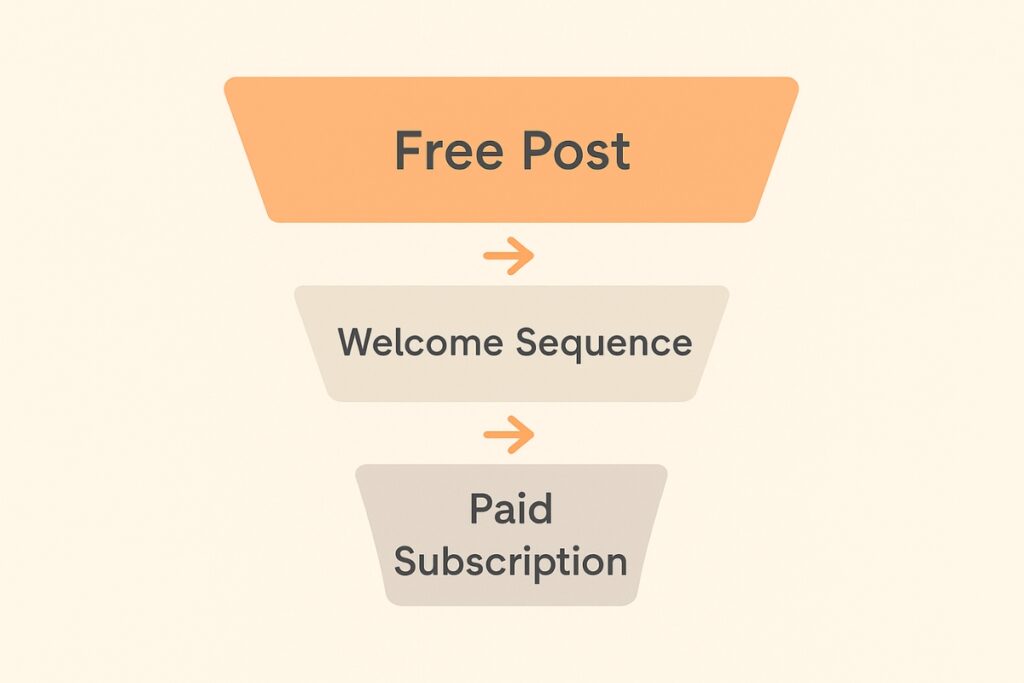
Monetizing Substacks becomes much easier when there is a clear path that guides free readers to paid content. A funnel doesn’t have to be complicated. A simple three-tier structure works best.
Free value as an entry point
This is where readers get to know your voice and your expertise. Strong free contributions often include:
- Tips for beginners
- simple breakdowns
- helpful Content Resources
- understandable personal insights
Free content serves as a preview of the larger world you’re building.
A welcome sequence that establishes a connection
A short film Onboarding sequence makes new readers feel oriented and supported. It may include:
- Email 1: Warm welcome and expectations
- Email 2: Your most helpful free post
- Email 3: Explanation of the bonus benefits
- Email 4: Invitation to explore paid content
Where appropriate, creators can use automated systems to manage onboarding or segment audiences, but only when it’s a natural fit.
A clear and gently paid invitation
Once readers see consistent value, they will be more open to upgrading. Effective invitations highlight the following:
- what they get
- how it helps them
- the value behind the investment
A single line at the end of a free post is enough, such as:
“Read the full version in the subscriber section.”
Bonus content and loyalty rewards
Annual subscribers often convert when they see value. Bonus benefits could include:
- Template packs
- exclusive tutorials
- Resource libraries
- monthly deep dive newsletter
These create a feeling of exclusivity and increase long-term loyalty.
Step 6: Use a content strategy that encourages subscriptions
A content strategy helps to organize posts, build anticipation and clearly separate free content from paid content. Ultimately, readers subscribe because the paid tier feels like a valuable upgrade.
Create a clear separation between free and paid content
Here is a simple structure:
Free content:
- beginner-friendly guides
- quick tips
- Thought pieces
- simple resources
Paid Content:
- Advanced tutorials
- Step-by-step systems
- personal insights
- deeper industry collapses
- Templates and bonus materials
This clarity helps readers understand how an upgrade will benefit them.
Plan a simple monthly content cadence
A monthly cadence helps ensure consistency, even if you post once or twice a month.
Example structure:
Week 1
Free article with simple tips
Week 2
Paid Deep dive content method That explains the topic clearly
Week 3
Free post with curated resources or a story
Week 4
Exclusively or as a template package for a fee
This rhythm balances free value with premium depth.
Showcase what paying subscribers receive
Many creators see better conversions when they include previews of paid content. A simple “preview box” or short snippet creates more curiosity in readers.
Example:
“Below is an excerpt from this week’s paid tutorial for subscribers.”
Create small content series to drive upgrades
Series convert well because readers want continuity.
Example series:
- How to Build Your First 100 Substack Subscribers
- Substack income roadmap for beginners
- Simple writing formulas for weekly newsletters
Place the introductory post in the free tier and place the remaining parts behind the paywall.
Include soft CTAs where they make sense
Hard selling doesn’t do well on Substack. A gentle nudge is better.
Examples:
- “Access the full guide and templates in the paid area.”
- “Premium readers get more in-depth breakdowns every month.”
These are optional and should only appear if they feel natural within the flow of the content.
Step 7: Grow your Substack audience
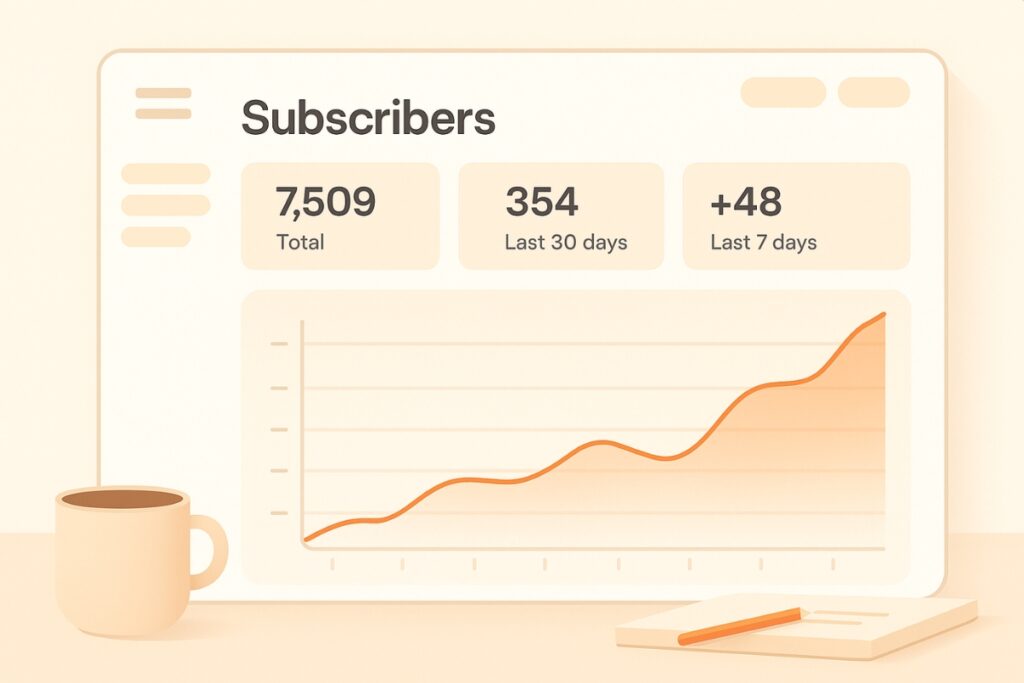
Audience growth is very challenging for beginners, but it does not require aggressive advertising. Simple, consistent measures gain momentum over time.
Start with platforms you already use
Well-known platforms make it easier to share regularly and with less effort.
Easy ideas to share:
- a single paragraph from your last post
- a short list of tips from your newsletter
- an insight or quote from your upcoming article
These posts serve as entry points for new readers.
Use Substack’s built-in recommendation tools
Substack allows creators to recommend each other’s newsletters. If your content matches another creator’s audience, you can quickly gain lots of new subscribers.
The key is to choose newsletters in similar niches so that the audience overlap is natural and engaging.
Add your Substack link anywhere
This increases passive discovery. Add your link in:
- social biographies
- Email signatures
- Link in Bio Tools
- Profile descriptions
This alone regularly brings in new subscribers over time.
Use “free increments” to attract subscribers
A value burst could be:
Post it on your social platforms with a link back to your Substack.
Stay consistent and keep improving
Substack rewards developers who consistently deliver real value. Small improvements compound over time:
- Refine topics
- Experimenting with formats
- Ask readers what they want
- Price adjustment
- Analyze which posts perform well
Growth on Substack happens through consistent, meaningful content, not overnight success.
Final insights on monetizing your Substack
Substack offers developers a straightforward platform to build a writing-based income. With a clear niche, consistent content, and simple monetization steps, creators can build a loyal audience that financially supports their work.
As your content becomes more focused and your publishing rhythm stabilizes, readers will begin to view your newsletter as a reliable source of insights. This familiarity strengthens your connection with subscribers and makes it easier for them to see the value of paid posts, exclusive updates, or premium resources.
Combined with a targeted funnel, a strategic publishing plan, and strong trust-building content, Substack becomes a reliable revenue channel for many.
Frequently asked questions
Income depends on the niche and consistency. Beginners typically earn a small amount at first and then grow as confidence builds. Even a handful of paying subscribers can generate a stable monthly income.
No. Many YouTubers make money from a small, loyal audience. Value and consistency are far more important than audience size.
Yes. Substack is free unless you activate paid subscriptions. When you start earning, Substack charges a percentage plus standard payment processing fees.
Actionable tutorials, niche breakdowns, curated resources, simple guides, and premium insights tend to perform best. Readers pay for clarity, convenience and unique value.
Free content shows readers the value of your work and encourages them to gain deeper insights at the paid tier.