

One of the most satisfying things you can achieve as a company or personality is instant brand recognition.
You know, those little moments of marketing glory when people can name your brand in the first sentence of an article, in a caption on social media, or even in live chat. A big part of this comes down to maintaining a consistent brand voice across channels, teams and formats.
Consistent branding ensures that all of your marketing and communications sound like a cohesive whole, rather than multiple disjointed versions of it. And when done right, a consistent brand voice creates awareness, trust and customer confidence and facilitates collaboration across marketing, sales and service.
But how do you maintain a consistent brand voice in a time when companies are expected to be ubiquitous? I’ll explain what brand voice is, why it’s important, and exactly how to create a clear, well-documented brand voice that your entire company can confidently use.
Table of contents
Summary
To achieve this, focus on your audience, define your key voice characteristics, create simple “do” and “don’t” guidelines, map tone to key scenarios, and use a one-page rubric for quick reviews. From there, conduct training for your team, set up clear workflows, and leverage tools like HubSpot Content Hub and AI checks to keep all communications on track.
Review and update your voice at least once a year to stay relevant. HubSpot’s brand voice can help you identify, document and maintain a consistent brand voice in everything you do.
What is a consistent brand voice?
Simply put, your brand voice is the personality behind your communications: the way you choose and arrange words, the style in which you write, and the point of view you represent. It’s the feelings your communication evokes and the energy you radiate.
A consistent The brand voice is good and consistent. This means your brand’s personality stays the same across all content – whether your team is posting on social media, writing a landing page, or responding to a support ticket.
Take, for example, Taco Bell’s young, quirky, laid-back voice, or what CMO Taylor Montgomery describes as that cultural uprising.
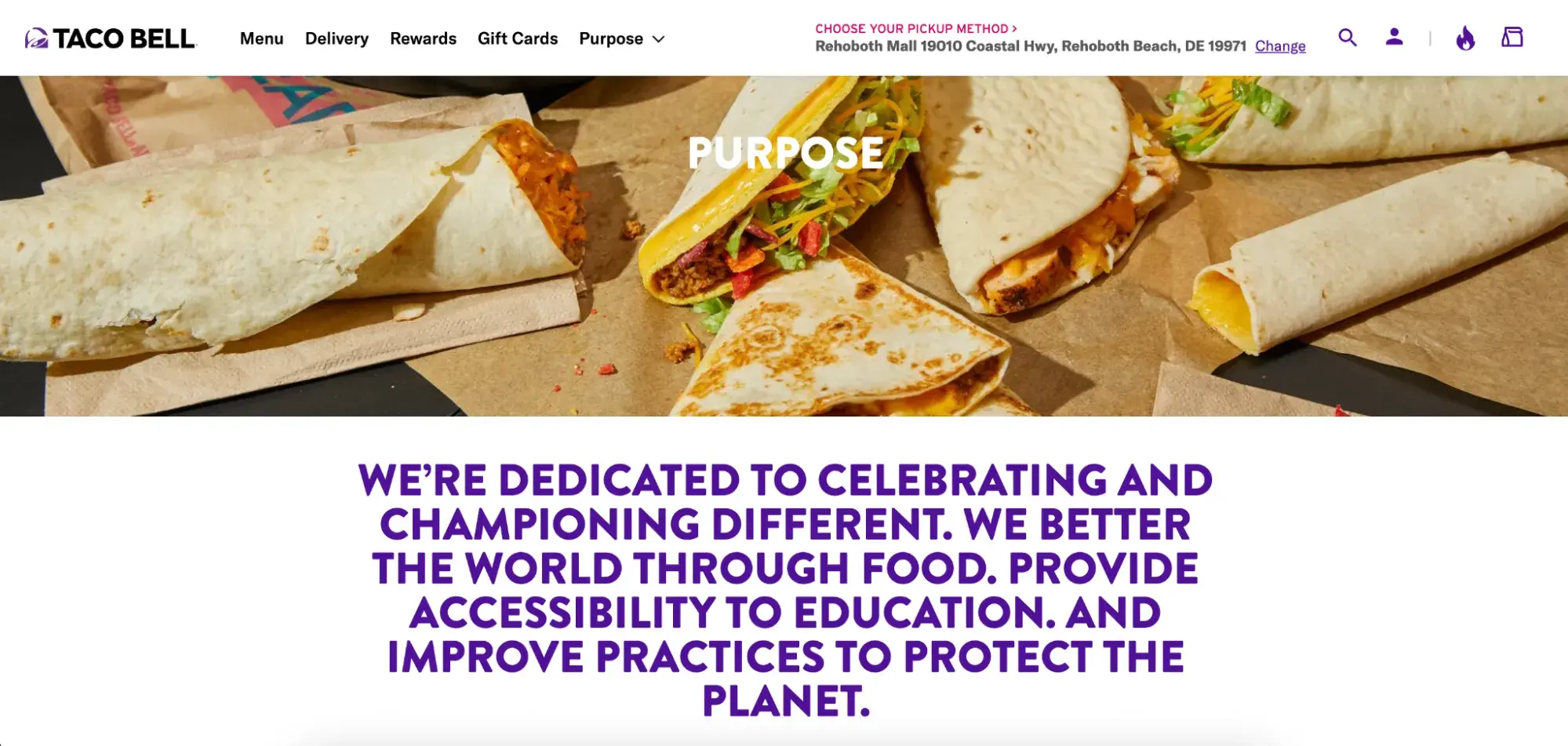
From its website and email to its commercials, app and social media, you recognize Taco Bell’s work when you meet it thanks to its consistent brand voice. They don’t take themselves too seriously. She live mas – and your buyer loves that.
For more information on the basics of brand personality, check out our guide Brand personality.
Why a consistent brand voice is important
A consistent brand voice doesn’t just make your copy sound good. It actually reduces friction throughout the entire brand and customer experience and is a crucial factor for success Loop marketing. I mean, think about it.
Imagine scrolling through Instagram and seeing an ad written in an elegant, formal voice – in a way that makes you think, “Damn, these people really know their stuff.” You click through and then arrive at a landing page that reads like a text message from your best friend, full of jokes and slang. It’s shocking.
Suddenly you’re not sure which voice is right or what to expect if you buy from them. When your voice changes so dramatically from one step to the next, it can confuse people and make them jump. Maintaining a consistent brand voice helps combat this problem. Let me explain.
Externally consistent brand voice:
- Builds trust and loyalty. On the US market 90% of consumers say it’s important to trust the brands they buy or use. When your brand voice is consistent, that trust grows as people know what to expect from you. They know what you are about and what you stand for, so they can feel more comfortable and confident following or buying from you. Find out more in The trust factor for the credibility of a brand.
- Improves message recall and brand awareness. Repetition promotes learning. Therefore, if your brand voice remains stable, people will recognize you more quickly and are less likely to be confused with the competition.
It also brings several internal benefits. It:
- Aligns your internal teams. Authors, marketers, salespeople, and service reps all work faster when they use the same playbook. A clear, documented brand voice eliminates confusion about how your team should communicate with your audience and provides individuals with a clear point of contact when they have questions.
- Improves efficiency. Clear rules reduce revisions, prevent inconsistencies, and help agencies or freelancers get it right on the first try.
- Supports AI content generation: With a clearly defined and documented brand style guide, teams can also access AI tools like HubSpot’s Breeze to scale content production as described in Loop Marketing Playbook.
Brand voice vs. tone of voice
Before we move forward, it’s important to understand the difference between brand voice and brand tone. Many people use the two words interchangeably, but they are not the same thing.
Fellow HubSpotter, Editor of the Masters in Marketing Newsletter, friend and language lover Laura M. Browning explained:
“I see voice as the overarching guidelines; voice determines whether the brand comes across as authoritative, academic, friendly or informative. However, tone can change in different scenarios – you can be informative in a blog post and a customer email, but the tone of the blog post could be more distant and didactic, and the tone of a customer email could be more personal and descriptive.”
In other words, Agree is your brand’s personality; steady, consistent and long-term. clay is the way the brand voice adapts to specific contexts or situations; depending on the context, more serious, more optimistic, more urgent.
Imagine voice as who you areand sound as how you show up in different situations.
Where your brand needs a unified voice
Consistent and clear messaging can improve brand perception by 70%. according to AdWeek.
So when I say your brand voice needs to be consistent across the board, I mean it everywhere. Everywhere your audience reads, hears, or interacts with your brand, there comes a moment when consistency either strengthens—or weakens—trust.
But instead of listing every possible touchpoint, let’s go through ten of the most important ones and show what to look out for in each one. As an example, let’s use Duolingo, the language learning app known for its bold, playful, slightly chaotic voice.
1. Website
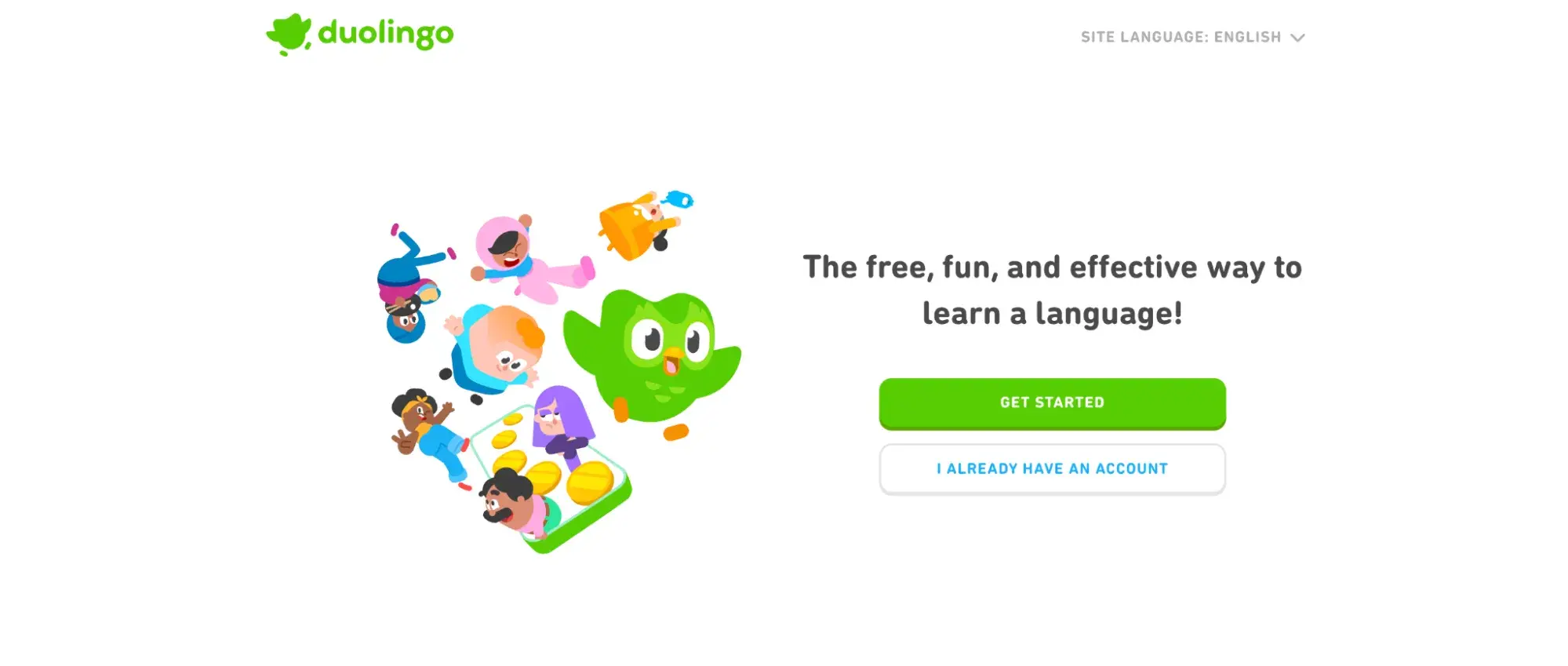
Your website is your home base on the Internet. It should be the clearest, most accurate example of your brand’s voice. This means that every headline, call to action, and caption reflects the same personality that users see elsewhere.
For a brand like Duolingo, that means copy is bright, funny, and full of encouragement – even on pages like pricing or onboarding. If their website felt stiffer or more salesy than their ads or emails, visitors would immediately feel the disconnect. And who could blame them?
2. Email marketing
Email inboxes are private, so your brand can feel most personal here. Balancing your voice with your website and other content will make the email seem more familiar.
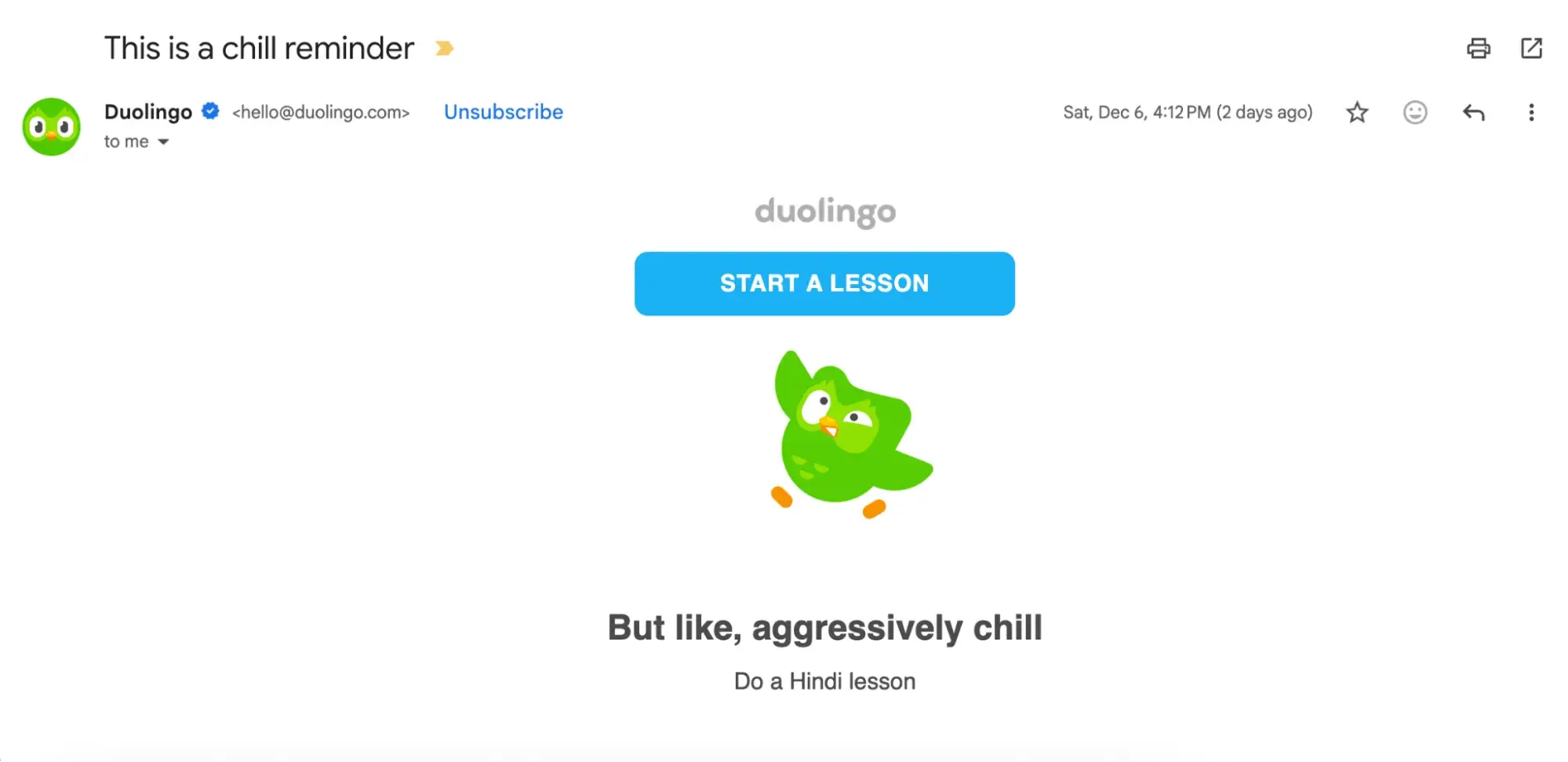
Duolingo gets to the heart of this with playful subject lines and motivational notes that fit their app experience. Even transactional emails (like this re-engagement email) stay perfectly on brand.
3. Blog articles and long-form content
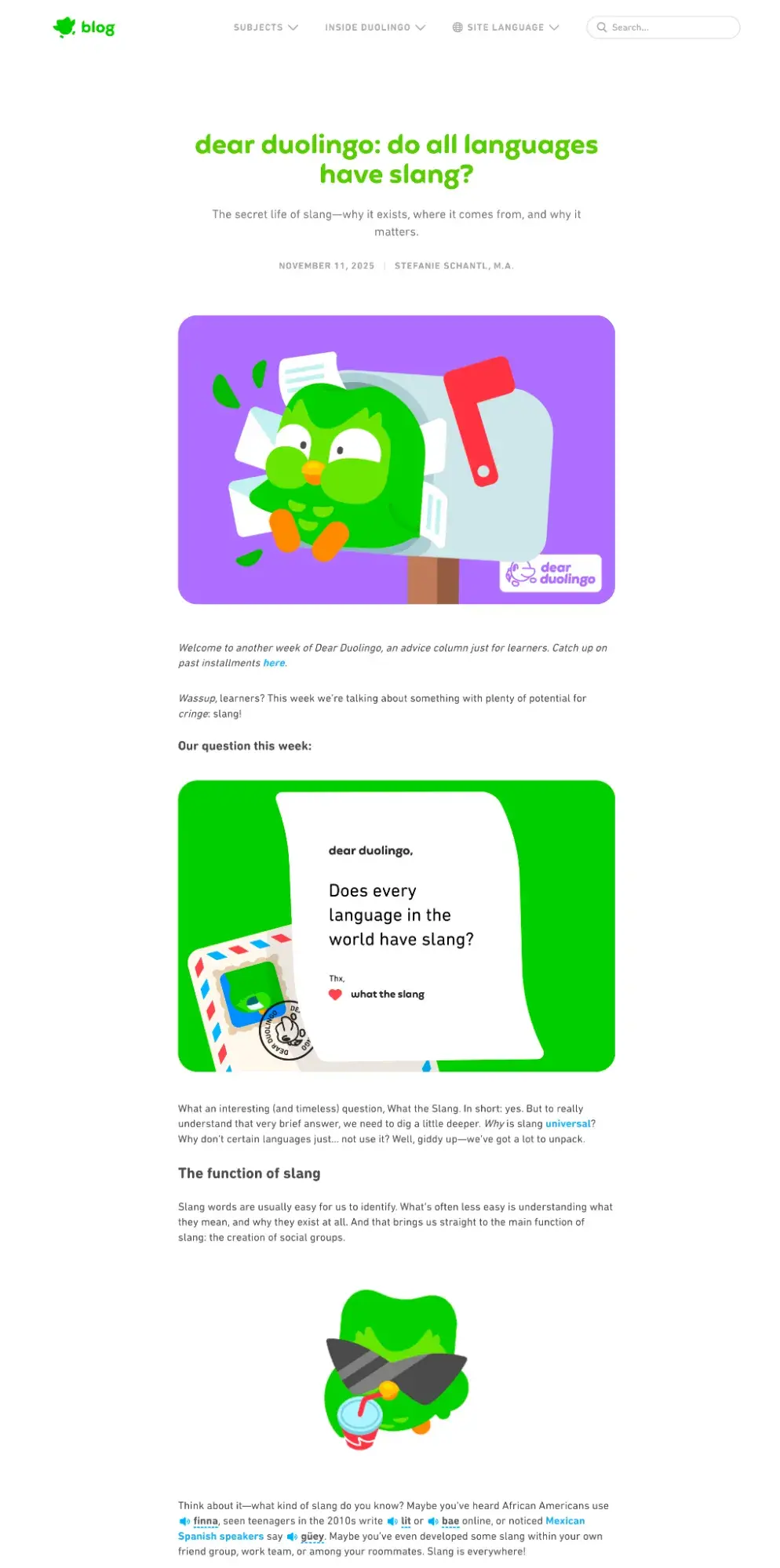
The voice can easily get lost in longer texts, as the tone tends to become softer over several paragraphs. The key is to try to weave your character traits throughout the piece. Personally, I like to jot down the crucial information first and then go through the piece again to add a touch of fun to the whole thing.
Duolingo’s long-form content is educational yet full of humor and personality, proving that the voice can remain strong without overwhelming the content.
4. Customer service scripts and chat responses
Support is another place where brand voice can easily disappear, especially when teams value speed over style. But let’s be honest: When people ask for support, they often get frustrated. Maintaining your brand’s voice can help you show people during tough times that they’re still engaging with the same brand they know and love.
Instead of giving up on it, simply change your tone to be more empathetic and clear.
Duolingo doesn’t have general live chat, but if it did, its staff would likely use a warm, approachable tone when explaining issues, keeping answers human and encouraging without sacrificing clarity or voice.
5. Social media profiles
Your social channels are the most public expression of your voice, especially if your brand is entertainment-focused (hello, Duo the Owl). It’s no secret that this is where Duolingo’s charm really comes into its own, as it stays true to the same basic principles: bold, playful and mischievous.
If your social voice is very different from your website or product experience, it can feel like two different brands are competing for attention.
6. Video scripts
Videos add tone, pace, and personality in ways that text alone cannot. Your script should sound like something your brand would actually say—not like a corporate narrator reading a briefing.
Duolingo’s videos use the same cheeky voice found in its push notifications and social media posts, making the experience seamless across all formats.
7. Sales Assets
Sales materials, one-pagers and product walkthroughs are often heavily based on jargon or overly formal language. But here too, vocal consistency is important. When you use the same style your audience sees in marketing, the experience feels cohesive and targeted.
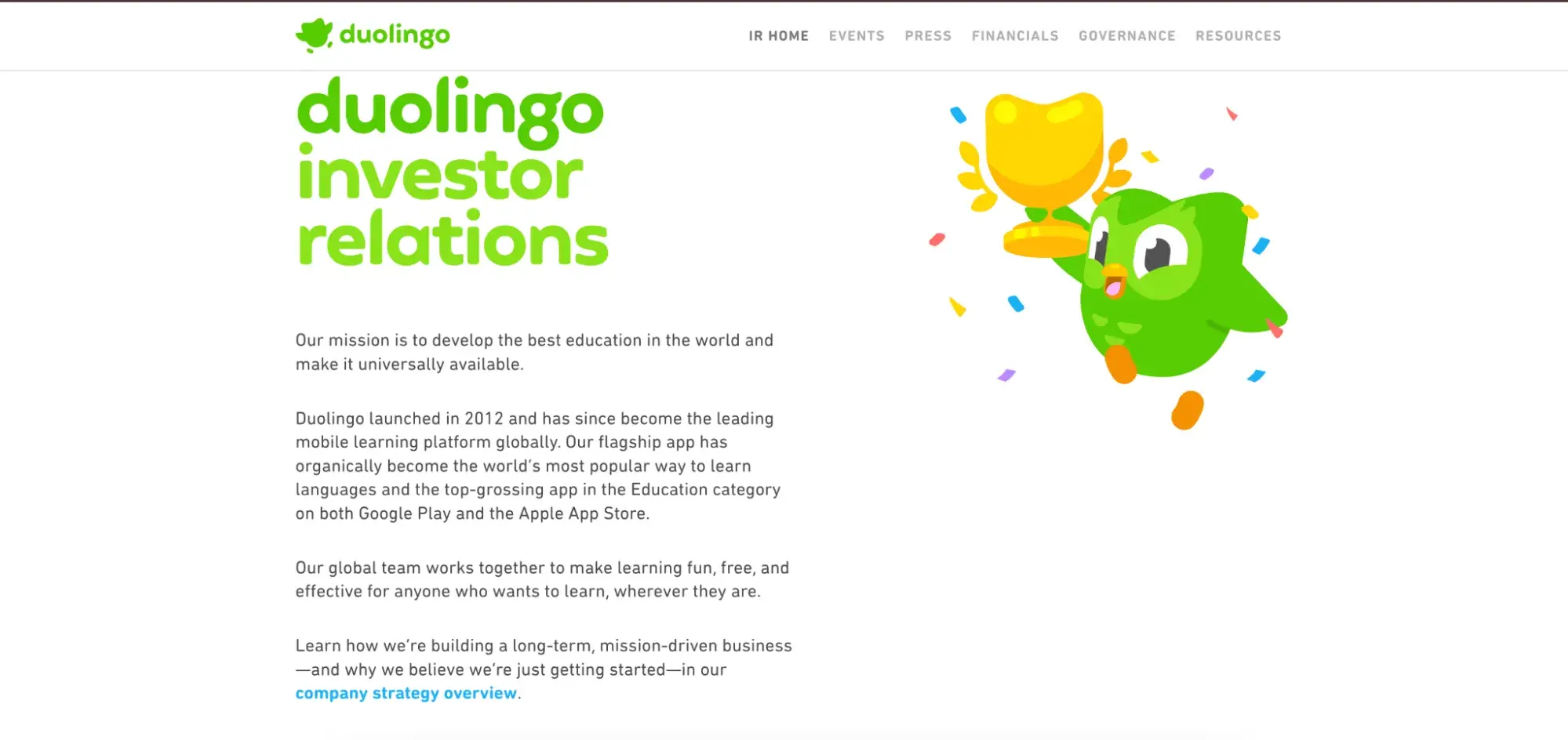
Although Duolingo adopts a less chaotic tone on its investor relations page, clarity, confidence and encouragement are still unmistakably its voice.
8. Paid advertising
Paid ads are quick impressions – you have seconds to show people who you are, and you want it to be authentic. Think about the scenario we talked about before: If your Instagram ad is elegant and serious, but your landing page is casual and fun, the shift immediately creates tension.
Duolingo avoids this by conveying its humor and boldness into every ad unit, from eye-catching images to clever captions.

9. UX Copy & Support Documents
The microcopy (error messages, button labels, tooltips) is small, but contains a lot of meaning. These moments often determine how intuitive or pleasant your product feels.
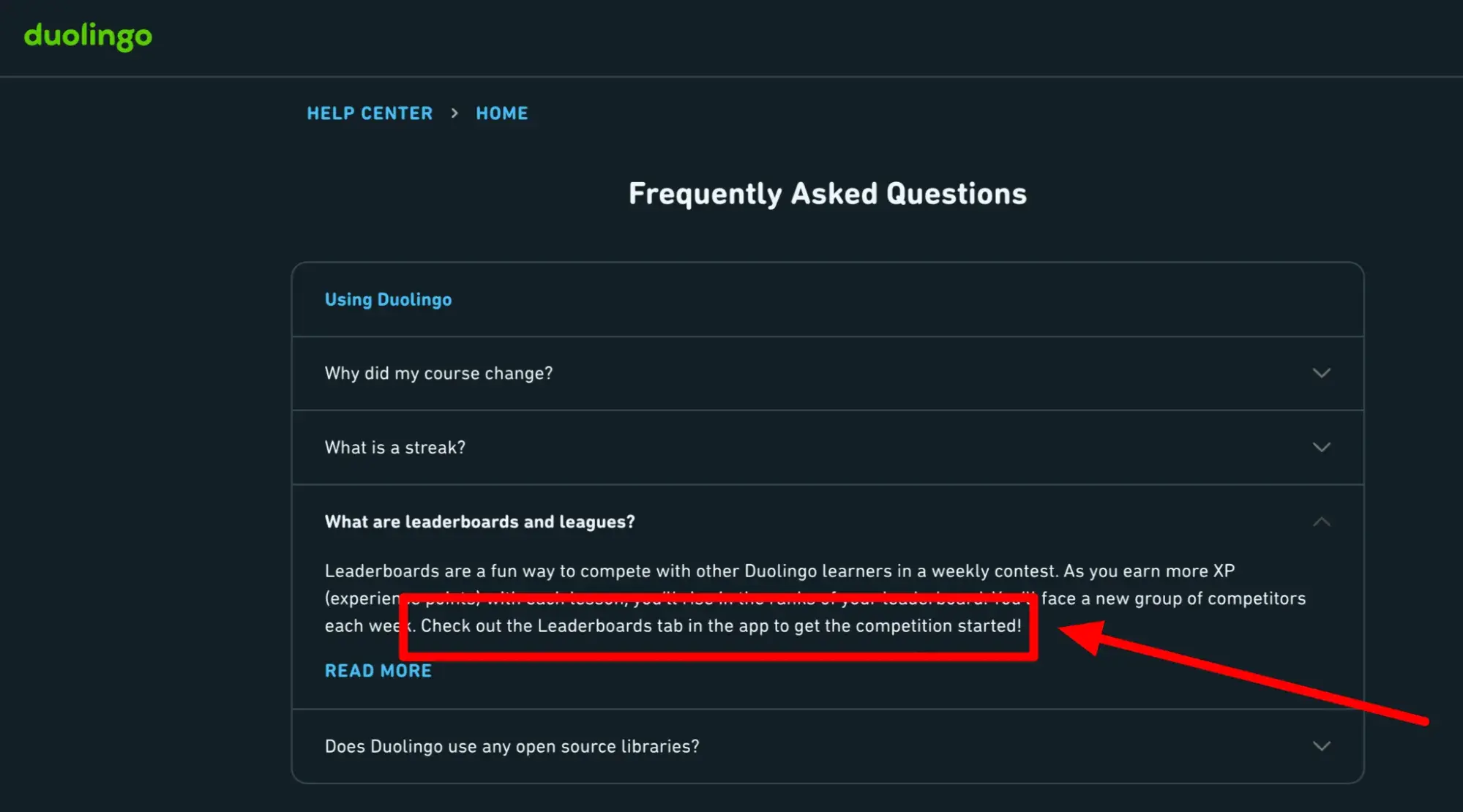
Duolingo infuses its interface with tons of personality with friendly nudges, celebratory messages, and the occasional “Duo is watching 👀” reminder. Even support documents and FAQs maintain the same warm, encouraging tone that motivates learners.
10. Live events and experiences
Whether it’s a booth, a workshop, or a full brand activation, your events and offline experiences should match everything people see online. The language on signage, handbills, scripts, marketing materials, and even employee interactions should reflect the same voice.
Duolingo has hosted every year since 2019 Duoconto bring together “language learners” around the world. The first year the event was held in person (see above), but then the transition to a purely virtual event took place (below).
As you can see, participants can expect the same humor, energy and playful engagement they receive from the brand on the app and elsewhere.
The 7-step process to a consistent brand voice
Step 1: Review your audience and mission.
Start with the people you speak to and the most important interactions where voice has the most impact – onboarding messages, emails, sales sequences, social media posts, support responses, and more. When you understand your reader’s mindset, your voice is based on real needs rather than assumptions.
That means, Review your buyer personas.
Additionally, take a moment to review your company’s mission statement. This feeling should also be reflected in your voice.
Step 2: Define what is and isn’t your brand voice.
Choose three to five language characteristics that reflect the sound of your brand (e.g., “clear,” “warm,” “practical,” “bold”). Then name the things as your brand won’t say or do. Often these guardrails are what make policies actually useful.
Read: Craft your best brand voice: expert tips, examples and templates
Step 3: Create your sound matrix for channels and scenarios.
The tone varies depending on the context. Create a simple tone matrix showing how your voice changes:
- Support vs. Sales
- Urgent updates vs. evergreen content
- Social vs. long form
- Solemn news vs. sensitive announcements
Simple hints like “Be reassuring here” or “Use shorter sentences in urgent moments” are enough.
Step 4: Put together your one-page style guide.
Brand voice guidelines include voice characteristics, do/don’t rules, example language, and channel examples. Put these together in a simple one-page cheat sheet.
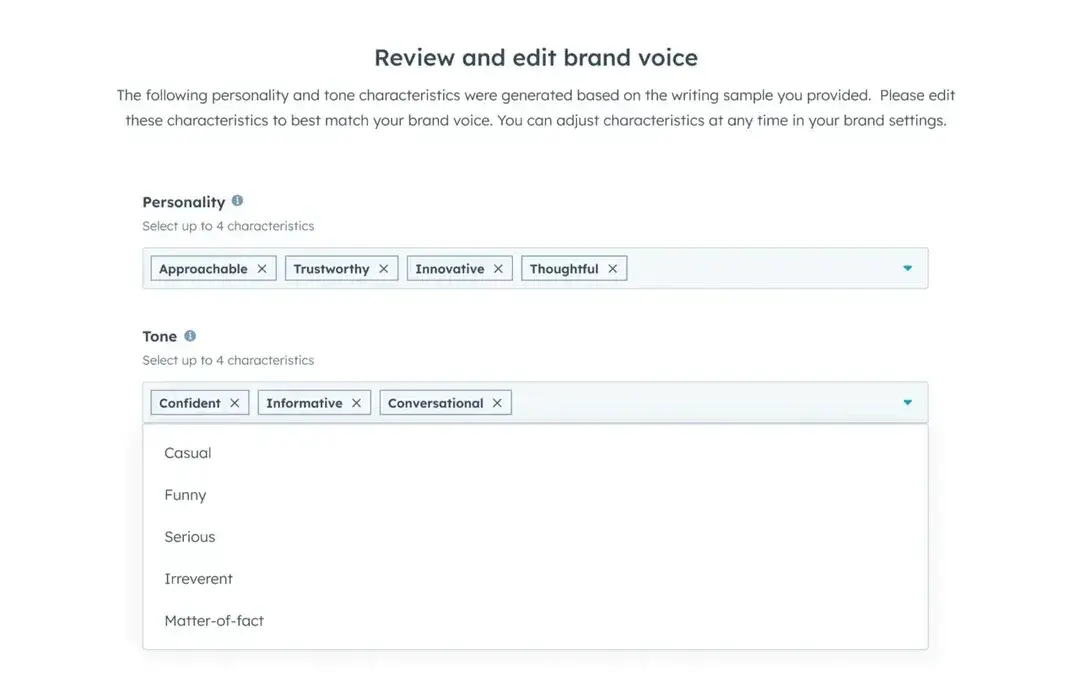
Pro tip: If you are a HubSpot user, our Brand Voice Software digitizes this process and makes it available within the platform to support the creation of copy for emails, landing pages, websites and more. We explain how in our knowledge database.
If you’re looking for something more comprehensive, here are some other helpful resources:
Step 5: Set up workflows, roles and approvals.
Decide who writes, who edits, who approves, and when to escalate major changes. This helps avoid duplication of work and also defines ownership if there are substantive disagreements.
HubSpot Marketing Hub can help standardize processes, version control, and cross-team collaboration. For example, when it comes to blog posts, there can be different users different authorizations within the portal. Some may be able to view posts but not publish them, while others may freely edit and publish them.
Step 6: Introduce training and templates.
Workshops, examples and templates make the introduction easier. Train everyone who communicates publicly (e.g. writers, designers, vendors, and support teams) about your voice and how to use it.
The more familiar your team is with your voice, the more likely they are to use it.
If possible, also create templates. Templates for sales emails, landing pages, etc. take the guesswork out of creating content for your brand and help your team achieve faster results.
Step 7: Launch, test and iterate in 30 days.
After you have your policies in place, monitor early usage and review content within the first month. Improvements will appear quickly in real-world use, so use the first 30 days for refinement and clarification.
After that, I would recommend reviewing your brand voice documents at least once a year.
Tools to keep your brand voice consistent
AI tools can help test and enforce brand voice consistency at scale. Here are some of the most notable.
1. HubSpot Content Hub
HubSpot Content Hub is an all-in-one AI-powered platform for planning, creating, managing and publishing content.
While the HubSpot Content Hub doesn’t focus exclusively on brand consistency, it does enable centralized brand voice governance and AI-powered quality assurance with tools like Brand voice.
All you have to do is upload a writing sample and the AI will analyze your brand’s language characteristics, which you can then review and adjust if necessary. Once saved, HubSpot applies them to blogs, emails, landing pages, social media posts, and more, helping every creator and team stay on brand.
Price: Part of Content Hub Professional and Enterprise (prices vary by tier).
What I like: What sets Content Hub apart is its close connection to the rest of HubSpot tools, including CRM and CMS. This not only informs your content, but also allows you to create, control and distribute it in one place rather than stitching together multiple tools.
2. Grammar
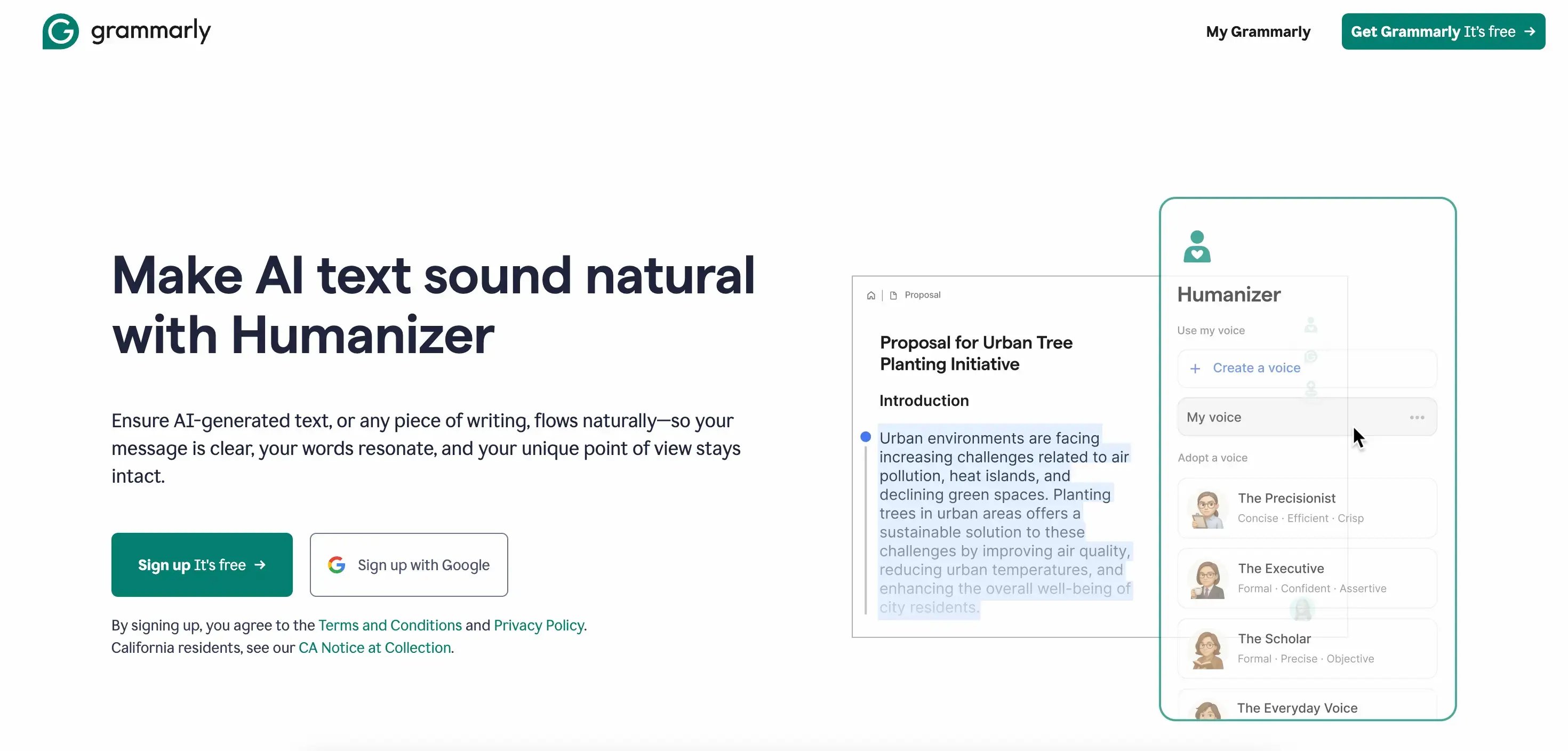
Grammatically is like an always-on writing assistant, offering real-time suggestions for grammar, clarity, correctness, and even tone. The original tool helps reduce off-brand moments by detecting word overlaps, tone conflicts, or awkward phrasing, and can even generate content for you. But even better: they recently introduced it a “humanizer” (in beta) where you can create a voice in which you want your content to be written or rewritten by the tool.
What I like: Grammarly works across email, documents, CMS tools, and browsers, facilitating consistency wherever writing occurs. This includes HubSpot, Slack, and a number of other tools that I use every day.
Price: Free version available; Paid plans start at $12/month
3. Hemingway Editor
Hemingway Editor is a clarity and readability tool that highlights dense sentences, passive voice, and overly complex phrasing. It supports a more consistent voice across long-form content, UX copy, and help documents by encouraging authors to use simpler, cleaner copy.
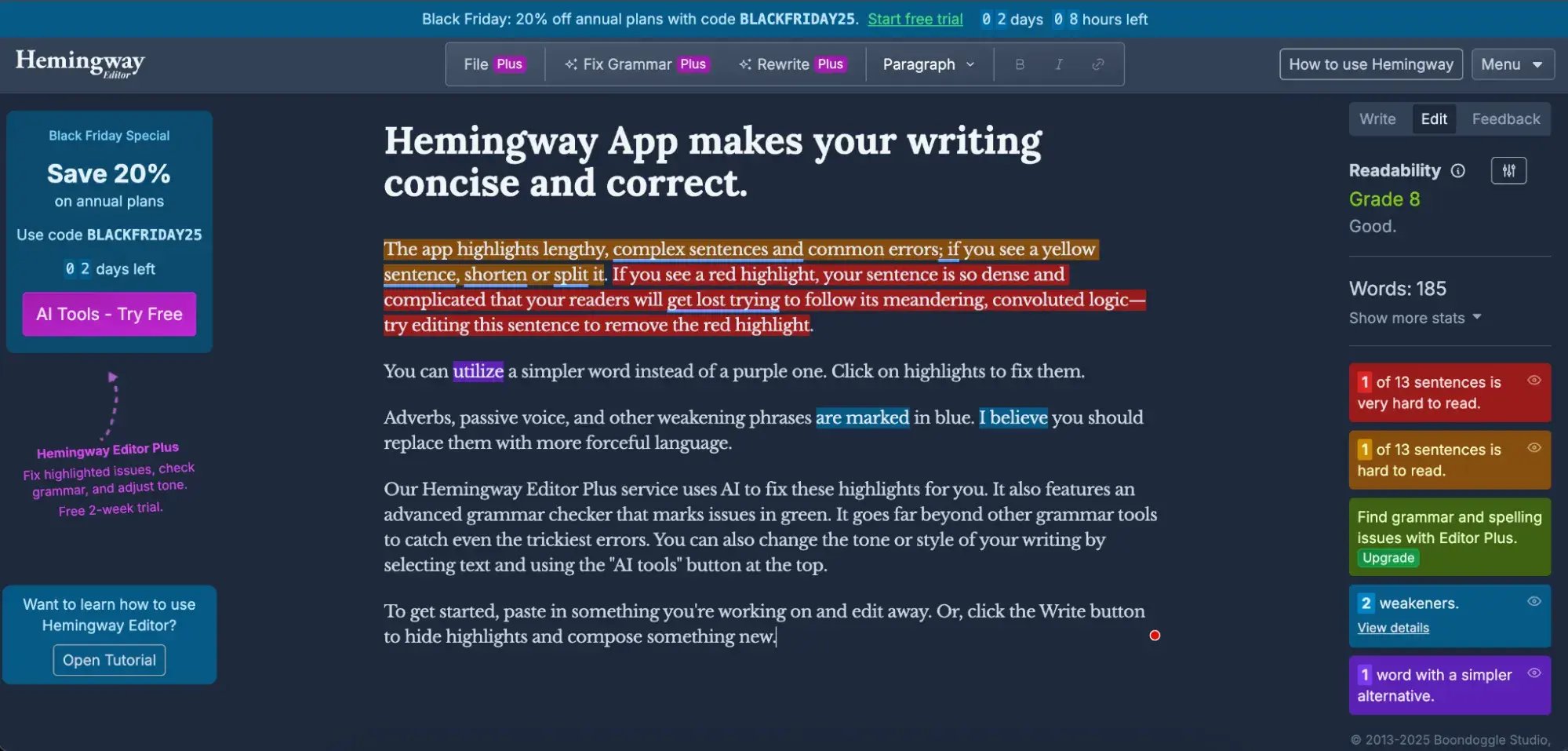
What I like: Hemingway focuses on one thing – readability – and does it extremely well. When your brand voice relies on being clear, direct and accessible, Hemingway becomes an essential part of the workflow.
Price: Free web version; Paid plans starting at $6.66/month
4. Claude AI
Claude AI is another generative AI tool known for producing thoughtful, structured, and human-like writing (and a favorite among the HubSpot Blog team).
When Claude is trained using brand examples or style guides, he can design or refine content that precisely matches your voice. It is particularly suitable for long content or nuanced explanations where clarity is important.
What I like: Claude allows you to upload resources such as a style guide, spreadsheet, or original research that it can draw on to inform the content it generates. That takes time
Price: Free; Paid plans start at $17/month
5. Brand folders
Unlike the rest, which is mostly about execution, Brand folder it’s more about organization.
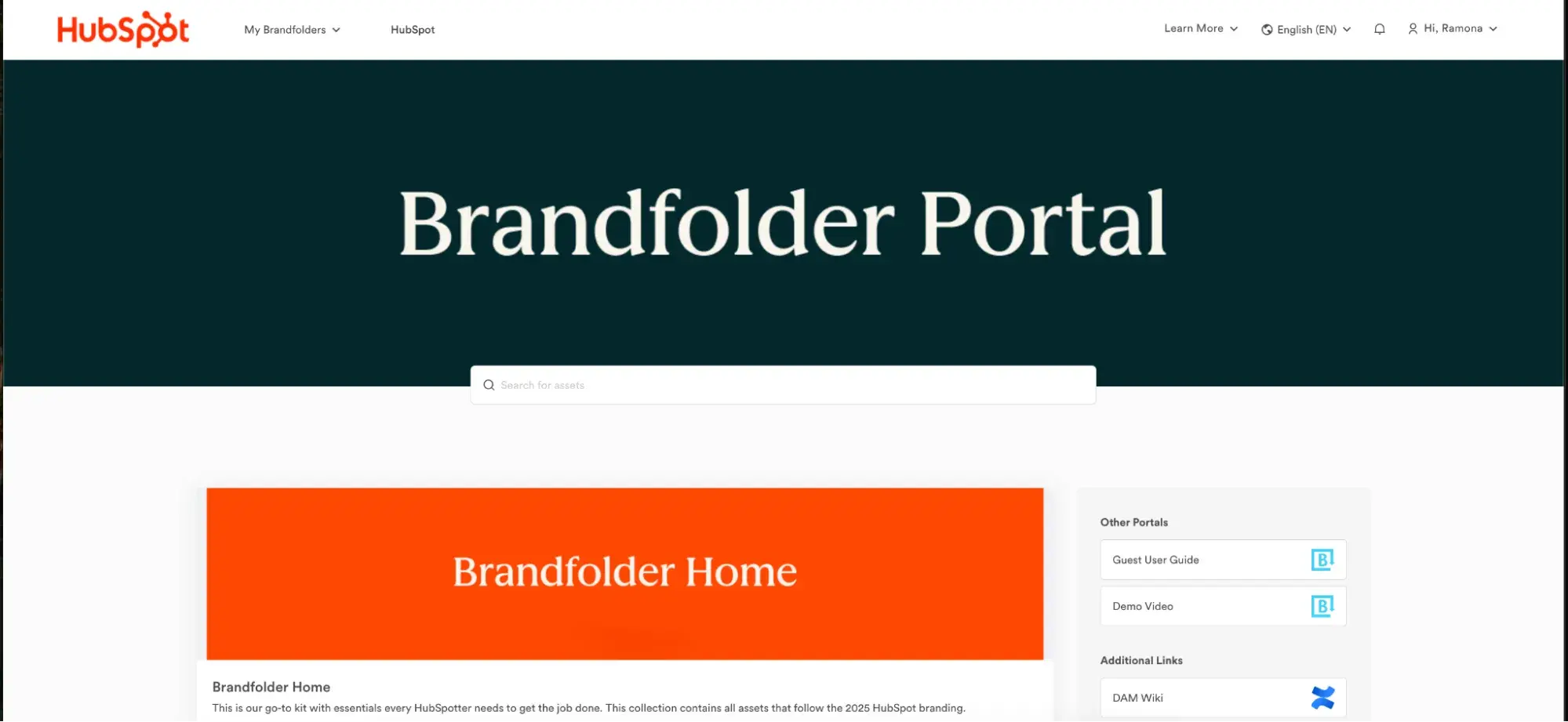
It’s a central home for your brand assets, guidelines, copy rules, and style documents – one that we even use here at HubSpot. Instead of spreading your voice guidance across slides, PDFs, and internal wikis, the platform stores everything in one place where teams and agencies can find the most current version.
What I like: Brandfolder integrates with tools like Canva to make the assets and resources easily available in the tools you use to run it.
Price: Individual/corporate pricing.
6. Writer
writer is an AI governance tool designed for large content teams that require strict language, terminology and style control in all the content they publish. It can flag off-brand phrases, enforce terminology rules, and provide real-time guidance to writers based on your style guide.
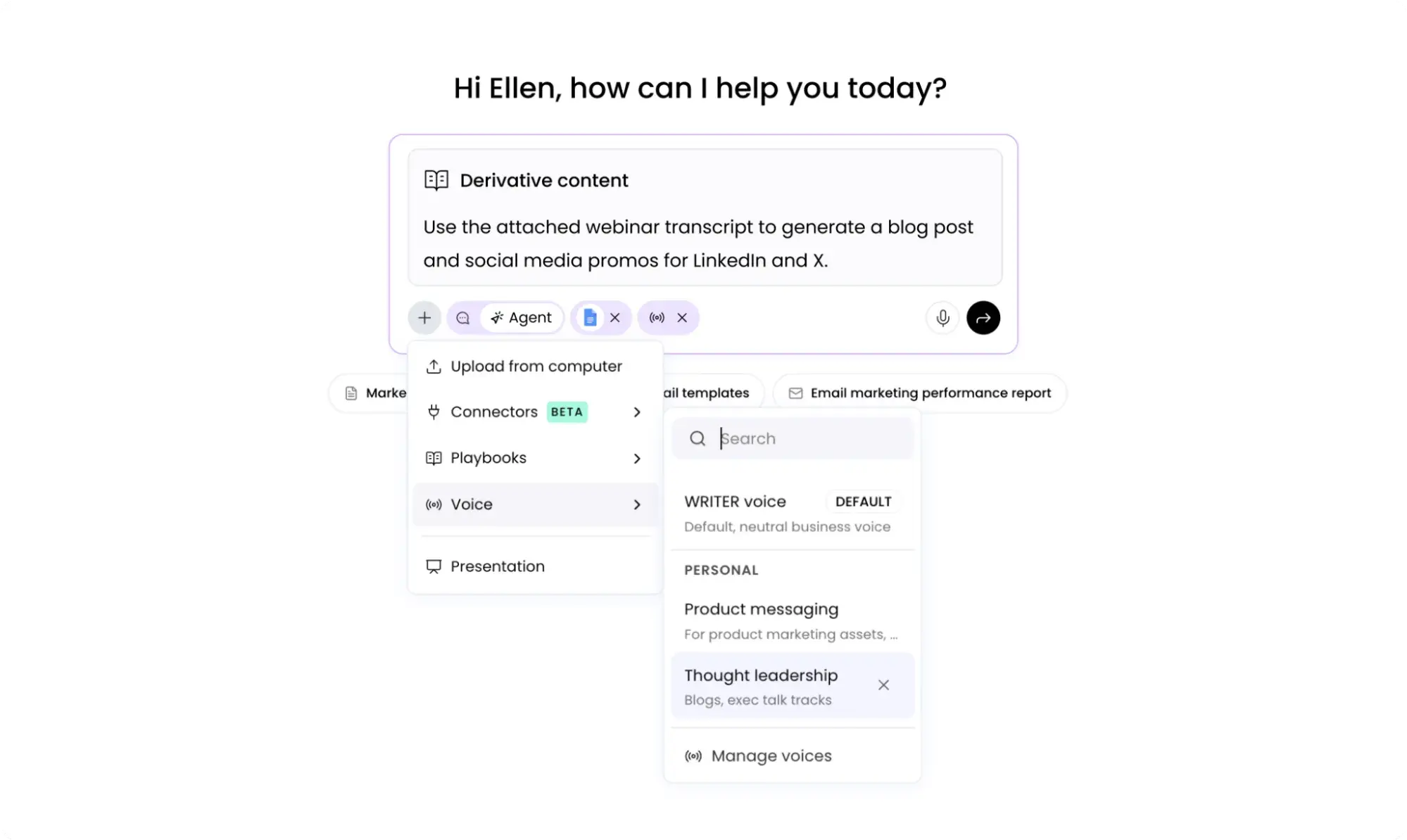
What I like: It’s designed for scalability and governance – ideal for companies or teams managing large amounts of content across many channels. Rather than just improving readability, it helps systematically enforce brand voice rules across all content.
Price: Subscription based; Team and corporate plans vary depending on seating.
Common brand voice challenges and how to fix them
In theory, brand consistency should be pretty easy. Just be yourself, right? But like everything, in practice it’s more complicated. Here are the most common issues teams face and how to address them quickly.
1. Vocal characteristics that are too vague to be helpful
Fix: Sometimes terms like “friendly” or “young” can be vague or subject to opinion. For example, one person might think of sarcasm as friendly, while others might think of it as alienating. To avoid confusion, include detailed descriptions and examples of your properties in the language style guide.
Browning suggests breaking down a brand’s voice into its component parts and giving examples of each.
She says: “If the brand voice is ‘friendly, helpful and kind’, I start with ‘friendly’ and just make a list. Does that mean more exclamation points? Does this mean using “hey” instead of “hi” or “hello”? Once I have lists for all the descriptive brand words, it actually becomes much easier to develop a language that meets all the requirements.”
2. Agencies and freelancers go off-voice
Fix: If you’re working with an agency, freelancer, or even a new team member, be sure to share your style and tone guide for your voice. It would also be smart to give them access to some written content that truly exemplifies your brand voice.
Discover various style guide templates here.
3. Inconsistencies in tone at sensitive moments
Fix: Few things are as uncomfortable as seeing a brand not understand the space. It is one thing to be unaware of a global event or tragedy, but another to know and deal with it completely incorrectly.
With this in mind, expand your tone matrix to include specific instructions for crises, apologies, or urgent communications. Even before I became a HubSpotter, I was a fan of how our team handled it:
4. Policies that are created and then ignored
Fix: Content governance is essential, especially when there are multiple content creators and even AI support. To ensure compliance, integrate human reviews and brand voice checks directly into your workflows. For example, in HubSpot, websites and emails may require approval before sending.
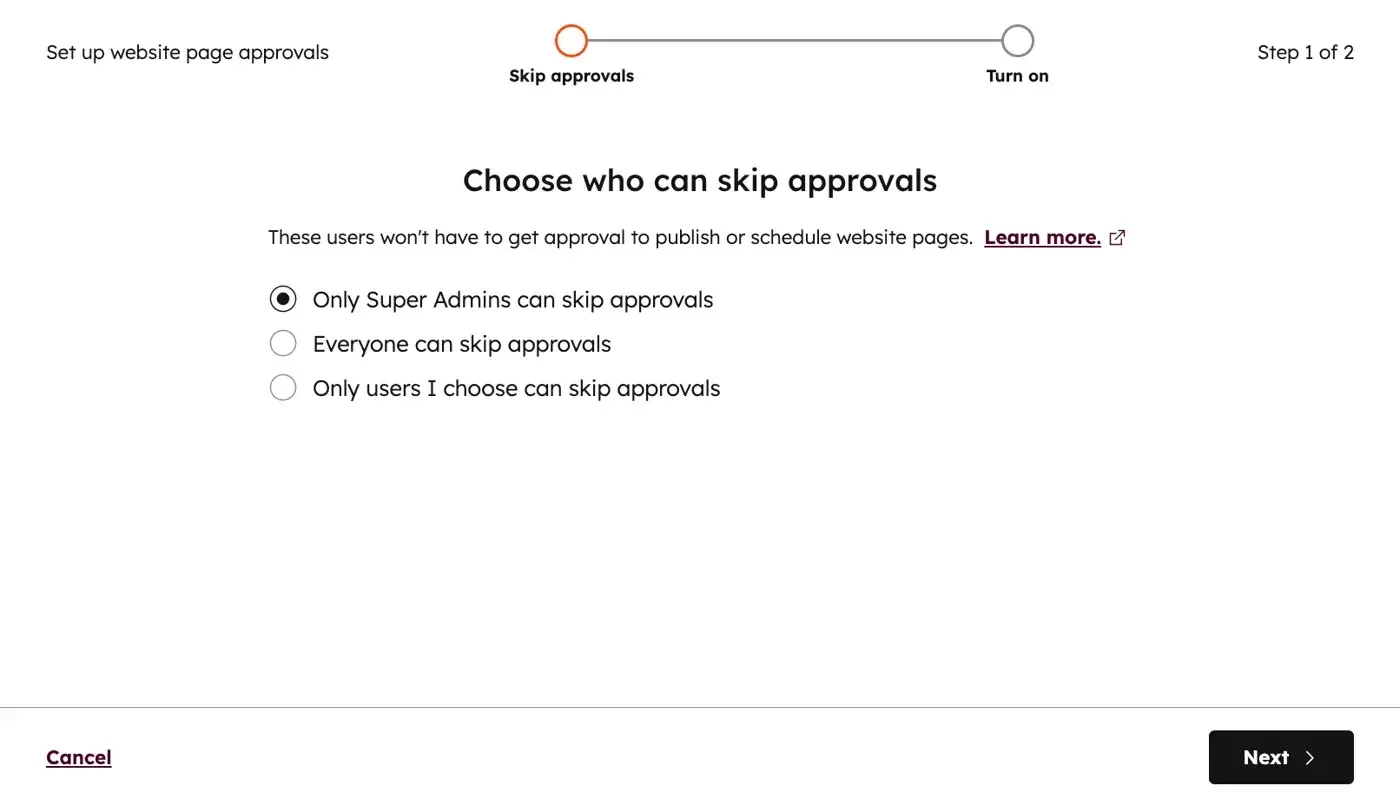
Various features in the Content Hub such as content partitioning, sensitive data, permission settings, brand voice, and activity logging also help in this process.
Consistent examples of brand voices
1. Canva
I feel like I’m using it Canva as an example in all of my articles, but hey, they do a lot of things right – especially the branding.
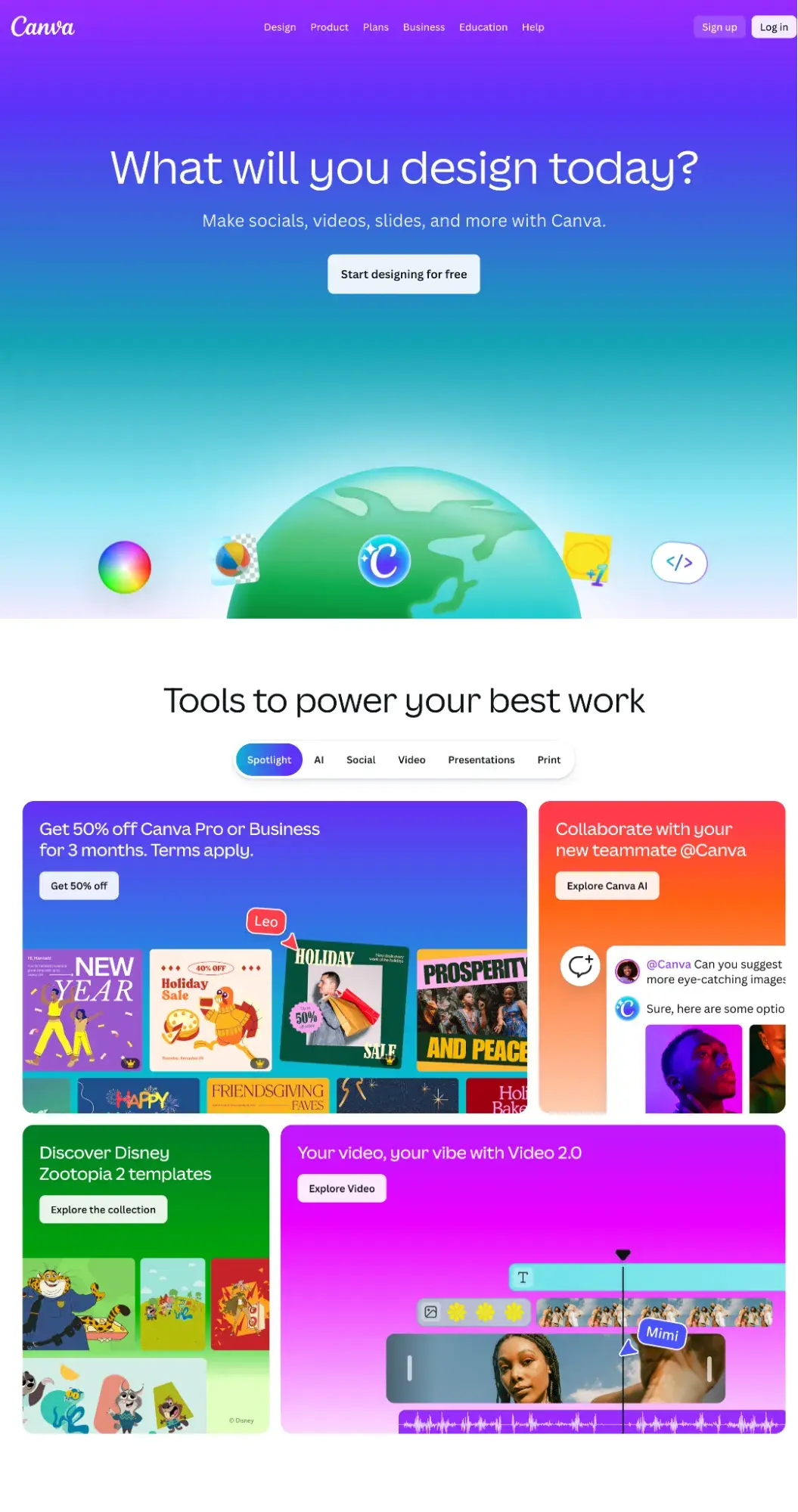
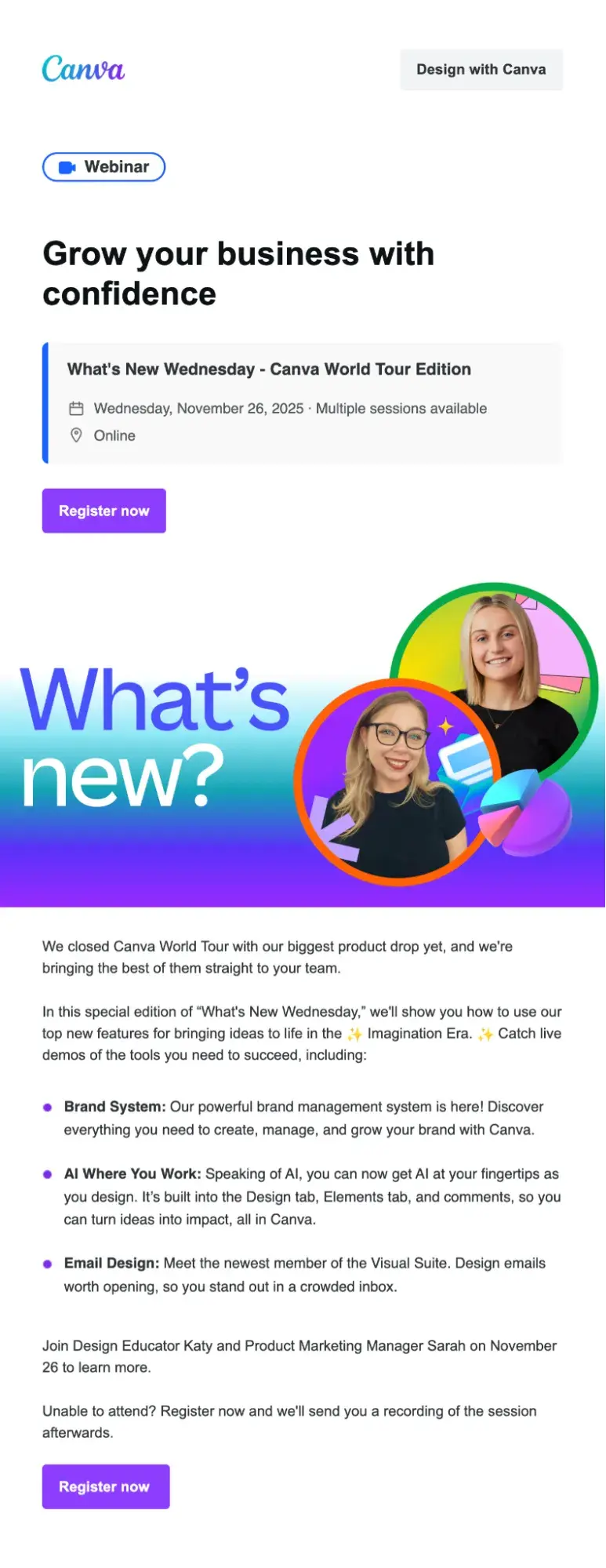
Visually it captures the color and creativity you would expect from a designer brand. As a voice, she is confident, but also encouraging, action-oriented and humorous. This translates effortlessly across the tool, website copy and social media.
Just watch this TikTok video:
Or this email:
2. Nike

Nike doesn’t have to say anything for you to recognize its brand. All it has to do is add the iconic swoop to everything, but even without that, the sports brand is known for its bold, decisive and incisive voice.
From “Just do it” to its homepage hero “Gifts that got game,” Nike has the ability to convey powerful messages in just a few words. This voice is reflected in their advertising campaigns, clothing and social media content.
3. ENTER
HubSpot’s annual conference, INBOUND, has become a powerhouse in its own right over the last thirteen years. The brand voice across all platforms is personable, but also motivating, energetic and connecting, just like the event itself.

These qualities also extend to his employees.
In recent years, INBOUND has made an effort to work with creators, speakers, and attendees to highlight first-hand experiences at the event, but the people it works with amplify that voice rather than diminish it.
Sarah Chen-Spellings, for example, is a podcast host and award-winning investor with a brand all her own, but her vibrant energy and encouraging voice are a great fit for INBOUND content.
Frequently asked questions about consistent brand voice
How often should we update our brand voice?
Your market, your messaging and your customer expectations evolve and your voice should grow with them. However, that doesn’t mean you should make changes every quarter.
For most brands, reviewing your brand every 6-12 months is usually enough. Think of it as a routine check when setting or thinking about goals, rather than a complete rewrite. If your team has recently rebranded, launched new products, or expanded globally, that’s also a good reason to reconsider. HubSpot’s brand voice makes this easy by simply uploading a new writing sample.
Who owns the brand voice in our company?
A team (often brand, content or communications) typically leads the brand voice, but the best results are achieved when everyone across marketing, sales and service feels a sense of ownership. Because your customers don’t just experience your brand in one place. A core team should set the guardrails while the rest of the organization puts them into practice.
Shared templates, workflows and approvals in one tool like HubSpot Marketing Hub Help everyone stay informed without adding additional processes. Think of it as a group effort with a few people steering the ship.
How do we keep agencies and freelancers informed?
Clear, simple onboarding is your best friend here. Give your partners the same phrasebooks, examples, and dos and don’ts that your internal team uses. This sets expectations early and helps save everyone a lot of back and forth later.
When multiple partners contribute content, tools like The Content Hub brand voice can help keep everything in line by offering real-time suggestions as you write. A quick monthly check-in or mini-audit will help you make course corrections before inconsistencies pile up.
How do we adapt the tone to a global audience without losing the voice?
Great global content keeps the personality the same when adjusting the clay for local norms and expectations, but I understand: localization can be difficult with different cultures and decorum. For example, you can maintain your brand’s warm, helpful voice everywhere, but use formality in certain regions where the direct language seems too casual.
The key is consistent care: staying true to yourself while respecting cultural nuances.
Multilingual content from HubSpot can help teams manage translations and regional content from one place, making it easier to stay up to date. And if you’re not sure, quick feedback from your regional teammates will help you.
What is the best way to measure consistency across all channels?
Start with a simple rubric with a few criteria that your team can use to evaluate whether content feels linguistic. Then review a mix of content from your website, emails, social posts, and support notes and look for patterns: Where do things feel tight and aligned? Where are they going?
HubSpot Content Hub You can save yourself some of the work by using AI to detect tone variations or off-brand phrasing. Combine these insights with human reviews and quarterly voice reviews, and you get a consistent rhythm that ensures your voice stays strong everywhere.
(Brand) consistency is key
A consistent brand voice is one of the most powerful and underrated levers for trust, recognition and clarity in your customer experience. With clear features, guidelines, and examples, your teams can create content that unmistakably conveys “you,” regardless of format or channel.
Start small, start fast and refine as you go. Need help keeping your voice stable across all channels? Attempt HubSpot Content Hub or Download our brand style guide templates to get started.