

Every successful content strategy starts with a short list of simple words. Before I ever open a keyword research tool, I write down a few sentences that describe what my company does or what my target audience is looking for. These phrases are seed keywords, and they do more than most marketers realize.
In this guide, I’ll explain what seed keywords are, why they’re important, exactly how to find them, the best tools to use, and how to turn a seed list into a complete content plan.
Table of contents
What are seed keywords?
Seed keywords are broad, short phrases (typically one or two words) that represent the core topics in which your business operates. They are the starting point for keyword research, not the finish line. Think of them as the seeds you sow before a topic cluster grows around them.
For example, if you run a project management SaaS, your starting keywords might be “project management,” “task tracking,” and “team collaboration.” From each of these seeds, you can develop dozens of long-tail keywords, supporting blog posts, and pillar pages.
Think of seed words as the simplest, most direct description of a topic that interests your audience. They have broad intent and high search volume, so they serve as an anchor for the rest of your strategy.
Pro tip: Don’t confuse seed keywords with target keywords. Seed keywords are the raw material. Target keywords are the specific, refined phrases around which you actually optimize each page.
I’ve found that teams that skip the seed keyword stage tend to build scattered content libraries without a clear thematic structure. Defining the seeds first aligns writers, strategists, and subject matter experts before anyone writes a single word.
Why seed keywords are important for content strategy
Seed keywords form the basis for topic clusters. A topic cluster typically includes a pillar page that targets a broad topic and several supporting pages that address related long-tail queries. Without a clear seed keyword to anchor the pillar, the cluster has no focus.
Here’s why a strong seed keyword set will improve your entire program:
- Reduces the problem of blank pages. A strong seed keyword set gives writers and strategists a defined universe to work within. Instead of brainstorming from scratch, the team starts with a map.
- Improves content planning consistency. If everyone agrees on five seed keywords, editorial calendars, content reviews, and gap analysis all use the same vocabulary.
- Connects you to buyer intent. Seed keywords help generate long-tail keywords that express more specific search intent. Long-tail keywords, which express more specific search intent than seed keywords, are often easier to rank and result in better conversions.
- Supports scalable organic growth. A well-chosen seed grows into dozens of rankable pages. A seed keyword can become your next content quarter.
I think about it: If my content strategy was a tree, the seed keywords would be the root system. You see the leaves (published posts), but the roots determine what can actually grow. More information on how Because buyer journey keywords are related to this model, HubSpot provides a useful breakdown of how intent changes at each stage.
How to find seed keywords
Finding seed keywords is part research, part listening. The best seeds come from understanding how your customers actually speak, not just how you describe your product internally. Here is the process I use.
Step 1: Start with what jyou kNow.
Write five to ten sentences that describe your company from your customer’s perspective. Not your marketing slogan. Not your internal jargon. What would someone type into Google at 11 p.m. if they had the problem that your product solves?
If you sell accounting software to freelancers, your customer isn’t looking for “financial management SaaS.” You search for “how to invoice clients” or “tax tips for freelancers.” Start there.
Pro tip: Ask your sales team what phrases prospects use in discovery calls. This vocabulary is an excellent foundation for seed keyword research.
Step 2: Mine Ffirst-Party Data.
First-party data includes CRM notes, sales call transcripts, chat logs, support tickets, and onsite searches. These sources reveal the exact words your buyers use before they become customers.
Customer language helps identify seed keywords that match the buyer’s actual vocabulary. I pulled seed lists directly from support ticket topics and discovered entire content gaps that the team didn’t know existed.
Check your site’s search logs if your site has internal search. Each query is a data point about what visitors couldn’t find. These are seeds.
Step 3: Analyze Ccompetitor TOptics.
Look at what your top competitors are ranking for and writing about. You don’t copy them, you map the landscape. Tools like Ahrefs And Semrush This allows you to see which general topic categories drive the most traffic to a competitor domain. For a deeper insight into identifying competitor traffic patterns, HubSpot’s guide covers the best approaches.
Step 4: Use Google Own SSuggestions.
Type a general topic into Google and look for autocomplete suggestions, “People Also Ask” boxes, and related searches at the bottom of the page. These are seeds brought to you by the largest search data set in the world.
I also look at SERP features as clues. If a topic regularly triggers featured snippets or image packs, the query has a clearly defined informational intent – making it a strong seed candidate.
Step 5: Validate with Slook vOlume Data.
A seed keyword should have enough search volume to justify forming a cluster around it, but not so much that ranking for your domain authority is impossible. Use a keyword tool to check the monthly search volume and keyword difficulty for each candidate seed.
The goal at this stage is not to find the terms with the highest volume. It’s about finding terms that you can realistically compete with and that have room to create supporting content. Understanding which keywords your potential customers use is the basis for good judgment.
Step 6: Group Seeds Inot TMalice.
Once you have a list of 15 to 30 candidate seeds, look for patterns. Words that belong to the same buyer problem or product category should be grouped together. Each group becomes a potential topic cluster.
For example, seeds like “content calendar,” “editorial scheduling,” and “blog scheduling” all belong to the same cluster. You don’t need three separate pillar pages – you need one strong pillar and multiple supporting posts, each targeting a variant.
Step 7: Pressure Test wwith AI.
I run my shortlisted seeds through a large language model and ask it to generate related queries, common questions, and adjacent topics. This reveals angles I hadn’t considered and helps figure out which seeds have the most long-tail potential.
This isn’t about outsourcing your strategy to AI. It’s about using AI to stress test your list and identify blind spots before committing to a quarter of the content.
Best seed keyword tools
The right seed keyword tool depends on where you are in the process. Some tools are better for initial ideation; others shine through expansion, clustering or validation. Here’s a comparison of the best options.
1. Google Search Console
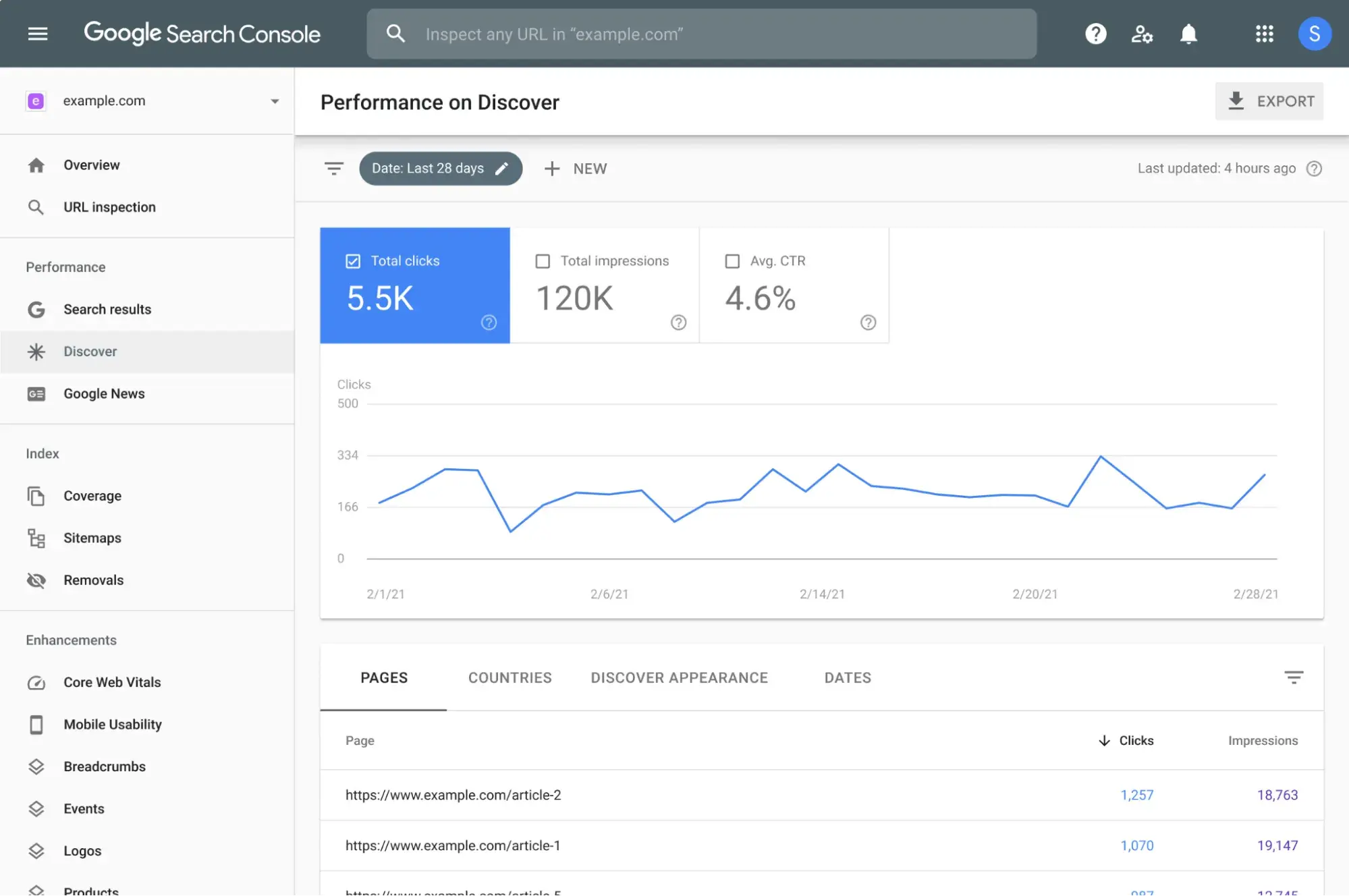
If your website is already online, Search Console will show you which search queries lead users to your pages. Filtering by impressions instead of clicks will show topics that you’re close to ranking for but haven’t fully covered yet. These near miss queries are excellent starting candidates.
Best for: Teams with existing traffic looking to expand around proven topics.
2. Ahrefs Keywords Explorer
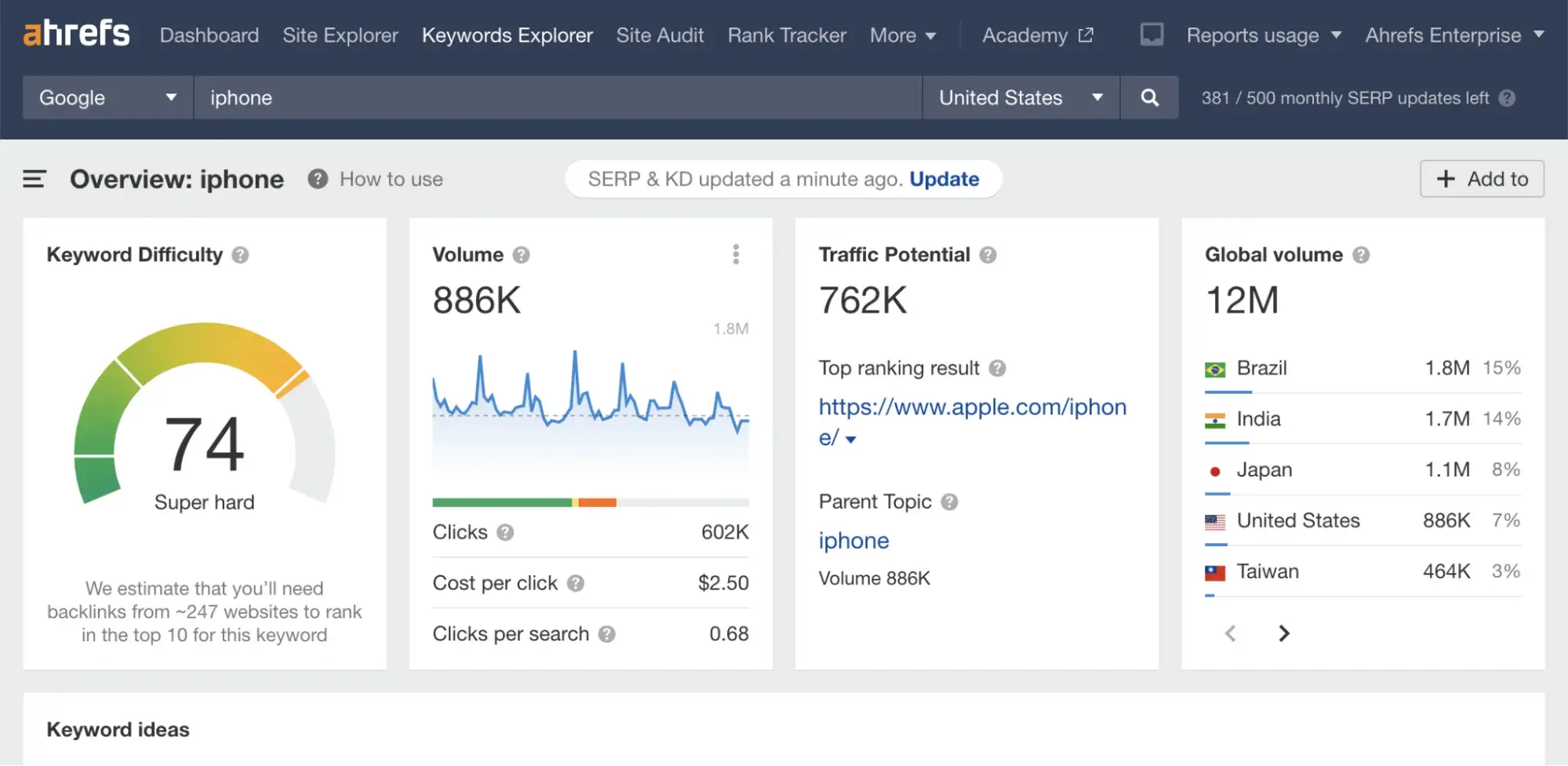
With Ahrefs, you can enter a broad term and instantly see keyword difficulty, search volume, click potential, and a list of related terms grouped by parent topic. I use it to validate seeds and quickly estimate cluster size before deploying resources.
For context on HubSpot offers helpful keyword identification tools and several solid options worth bookmarking.
What we like: The Parent Topic feature in Ahrefs automatically groups related keywords, significantly speeding up cluster planning.
3. AnswerThePublic
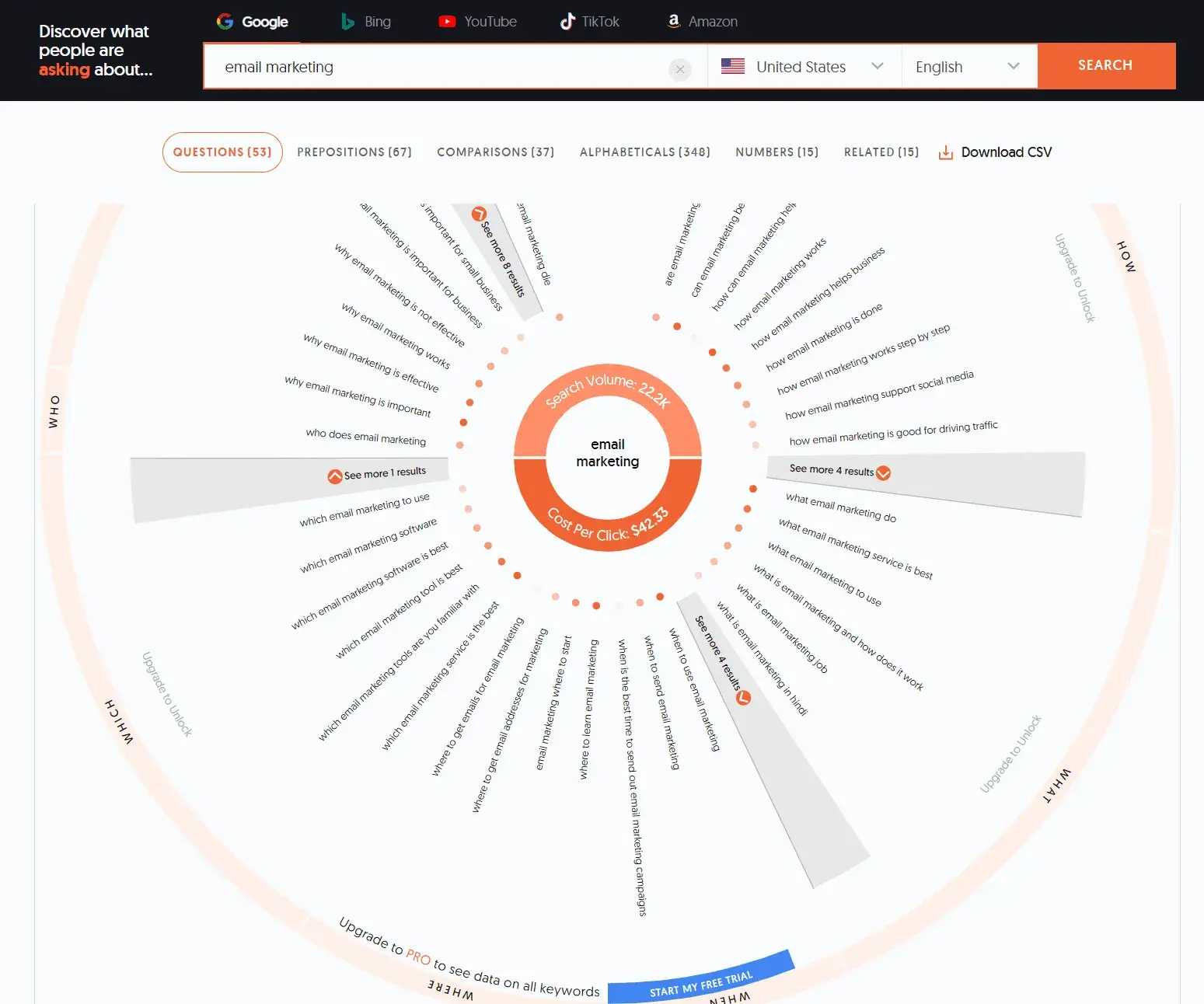
AnswerThePublic visualizes the questions, prepositions and comparisons that people search for around a specific seed. This is one of the fastest ways to go from a single seed keyword to a long list of long-tail angles.
Best for: Sessions to brainstorm content and develop FAQs.
4. Google Keyword Planner
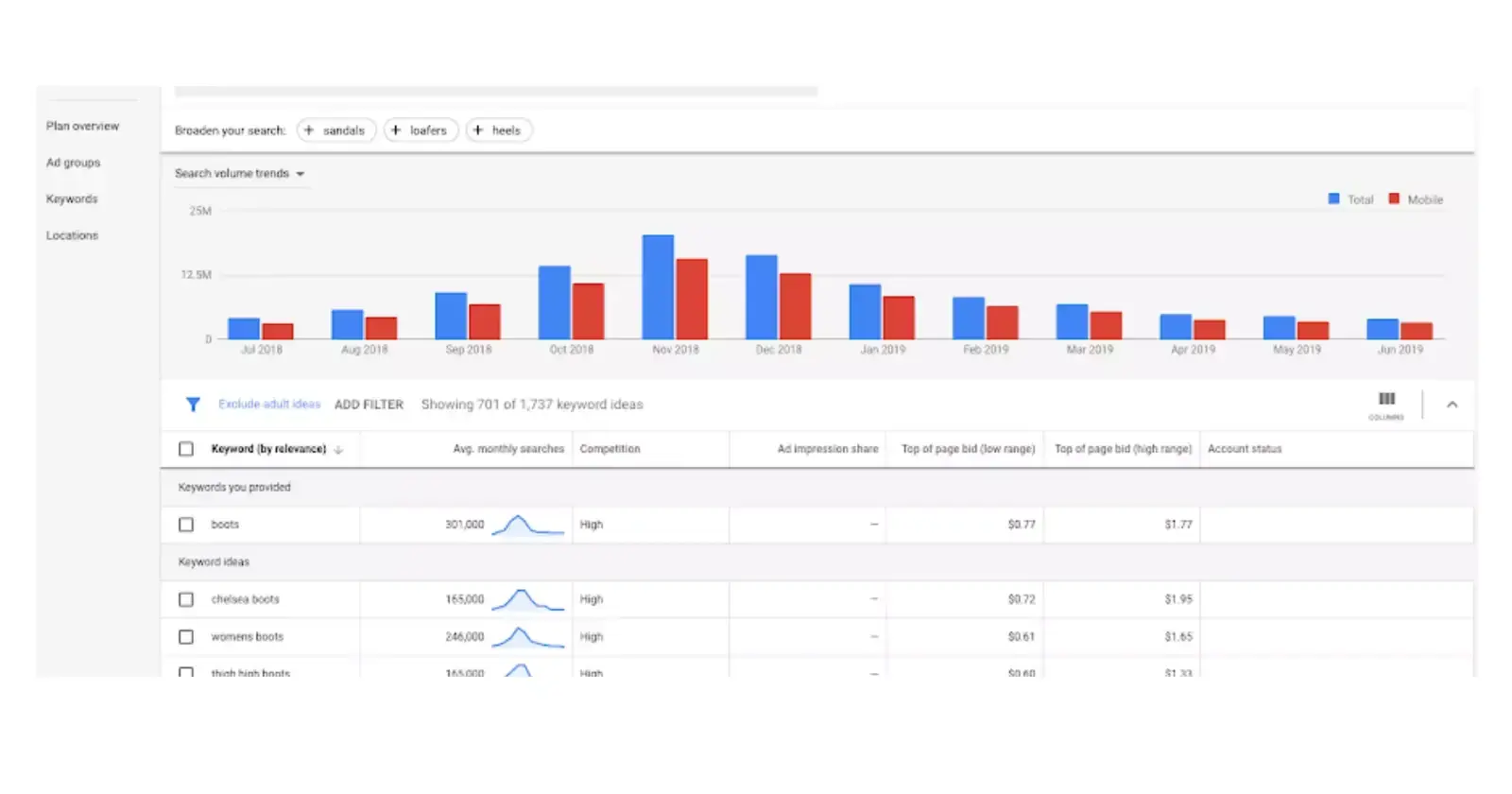
The free keyword planner with a Google Ads account provides you with monthly search volume ranges and competition data. It’s not as precise as paid tools, but it’s more than sufficient for validating whether a seed has meaningful demand.
Best for: Bootstrapping teams or early-stage research where budget is a constraint.
5. SEMrush Keyword Magic Tool
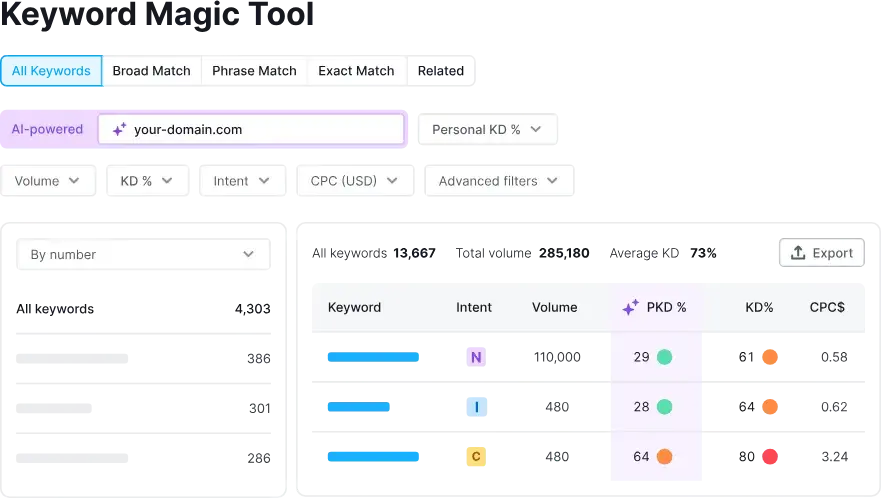
Semrush’s Keyword Magic Tool is particularly suitable for clustering. You can enter a seed keyword and group the results by topic, question type, or intent, which is almost directly equivalent to a topic cluster architecture.
What we like: The intent filter makes it easier to separate informational seeds (blog content) and transactional seeds (landing pages).
6. HubSpot SEO and content tools
HubSpots AI content tools In the Content Hub you connect keyword research directly to your content creation workflow. You can track the health of topic clusters, identify content gaps, and publish without switching between a dozen tabs. For teams already using HubSpot, this integration reduces the friction between seed research and actual publishing.
Best for: HubSpot users who want keyword research and content creation in one place.
If you are looking for one Keyword research template To help you track business goals and opportunities, click here to use it for free.

How to create your content plan from seed keywords
A list of seed keywords is not a content plan. It’s the raw material. Here’s how I turn seeds into a structured, publishable plan.
1. Choose TThree to FI Aanchor Seeds.
Don’t try to sow all the seeds at once. Select three to five that represent your top buyer pain points or product categories. These become your pillar page topics. Each pillar page targets a broad topic related to multiple long-tail keywords.
2. Build in Cchandelier Map for eOh Sed.
For each anchor seed, create a list of 10 to 20 related long-tail keywords using your chosen tool.
These become the supporting sites in your cluster. A topic cluster typically includes a pillar page and several supporting pages, each targeting a specific long-tail variant. Consider the following example: If your business sells men’s jeans, think about any questions or thoughts customers have when they visit your website.
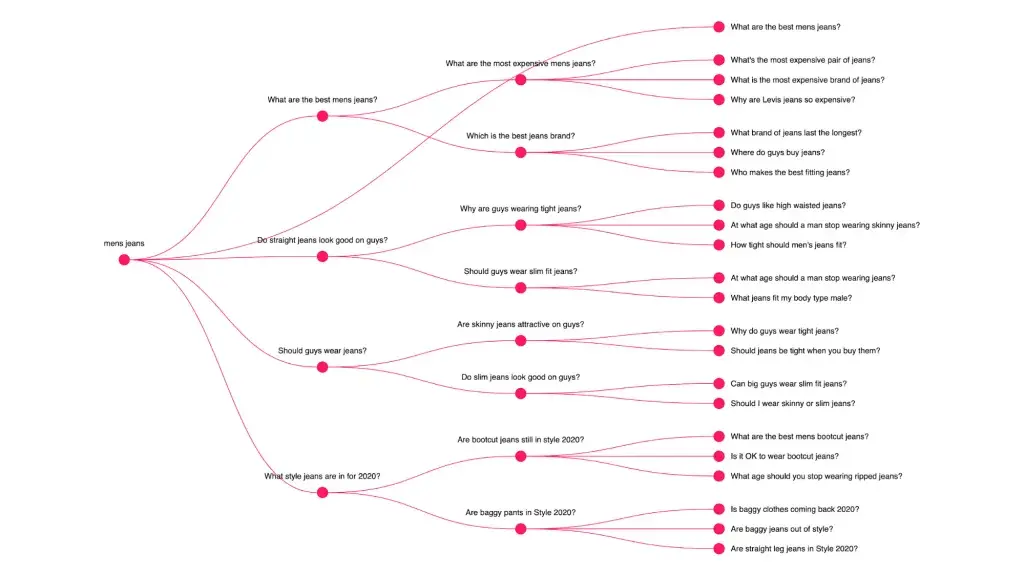
Developing long-tail keywords is easier than you think when you consider the different ways people can navigate a cluster map.
3. Assign IIntention every Cchandelier PAge.
Not every keyword in a cluster belongs in a blog post. Some belong in landing pages, product comparison pages or FAQ entries.
Sorting by search intent before writing prevents creating content that will rank but never convert. Consider organizing your data into the following categories:
- Informational purpose: educational contributions and instructions.
- Commercial Intent: Comparison and review content.
- Transaction Intent: Product and test pages.
4. Map Iinternal lInks bin between Cchandelier PAge.
Pillar pages should link to any supporting page. Supporting pages should link to the pillar. This internal link structure signals to search engines that the cluster is related and that the pillar page is the authoritative source for the topic.
As a guide to tracking and improving your SEO strategy once your clusters are live, HubSpot’s breakdown breaks down the key metrics to watch.
5. Hire Ppublication CAdenz and Gsuperiority PProcess.
A content plan isn’t useful if it’s stored in a spreadsheet that no one updates.
Assign responsibility to each cluster, establish a release cadence that your team can maintain, and schedule quarterly reviews to assess performance and refresh seeds whose demand has changed.
Pro tip: Brand consistency across all content over time. Teams that maintain consistent messaging and topic ownership across their clusters tend to build authority more quickly than those that publish sporadically across broad topic areas.
6. rail RAnkings at the Cchandelier lEvel.
Don’t just monitor the ranking of individual keywords, but track the cluster as a whole. If your pillar page is ranking but supporting pages aren’t indexed, it’s a sign of internal link structure or a crawl budget issue. If supporting pages rank but the pillar doesn’t, you may need to strengthen your pillar’s content or consolidate weaker posts.
Pro tip: Use that Guide to Early Signs of AEO from HubSpot to understand how response-driven content optimization impacts visibility in AI-powered search results. Seed keywords that trigger featured snippets or AI overviews should be prioritized.
Frequently asked questions about seed keywords
How many seed keywords should I start with?
Start with three to five seed keywords. This is enough to build meaningful clusters without over-distributing resources. Once these clusters are up and running, you can add more seeds. Starting with too many seeds results in superficial coverage of all seeds rather than deep authority in each of them.
Can brand terms be seed keywords?
Yes. Brand seeds, such as your company name or product names, are valid starting points for clustering around your brand. However, unbranded seeds almost always have greater strategic value because they attract buyers who haven’t heard of you. I treat branded and non-branded seeds as separate workflows.
What is the difference between seed keywords and long-tail keywords?
Seed keywords are broad, short phrases that serve as a starting point for keyword research. Long-tail keywords are specific, multi-word phrases derived from seed keywords. Seed keywords help generate long-tail keywords. Long-tail keywords express more specific search intent than seed keywords and are typically easier to rank on newer sites or sites with lower authority.
How often should I update my seed keywords?
Review your seed list quarterly. Markets change, products evolve and the language of buyers changes. A seed keyword that produced strong results a year ago may now face increased competition or declining search interest. I perform a seed update at the beginning of each quarter, comparing search volume trends with changes in product direction.
Do seed keywords change depending on market or language?
Absolutely. Seed keywords are based on the way real buyers speak, and this language varies significantly by region, culture, and language. A seed keyword that works in American English may not translate directly into British English, let alone Spanish or Japanese. For international SEO, I would create separate seed lists for each target market instead of directly translating from one language to another.
Take your SEO research further
All good content strategies start with seed keywords, but the landscape is changing quickly. AI-powered search is changing the way answers are displayed, and optimizing for answer engines is becoming just as important as optimizing for traditional rankings.
The seeds you plant today will determine what your content program can become. Start small – and with discipline, you can form clusters that gain authority over time.