
While many are still skeptical, the global creator economy is already skeptical expected to reach $1.18 trillion by 2032. And for founders and entrepreneurs from underrepresented minority groups, this moment is particularly meaningful.
The digital age has created endless opportunities for self-expression, connection and community among niche audiences. It brings to light vulnerabilities and business opportunities that previously went under the radar, and no one is better positioned to help solve them than the developers from these very groups.
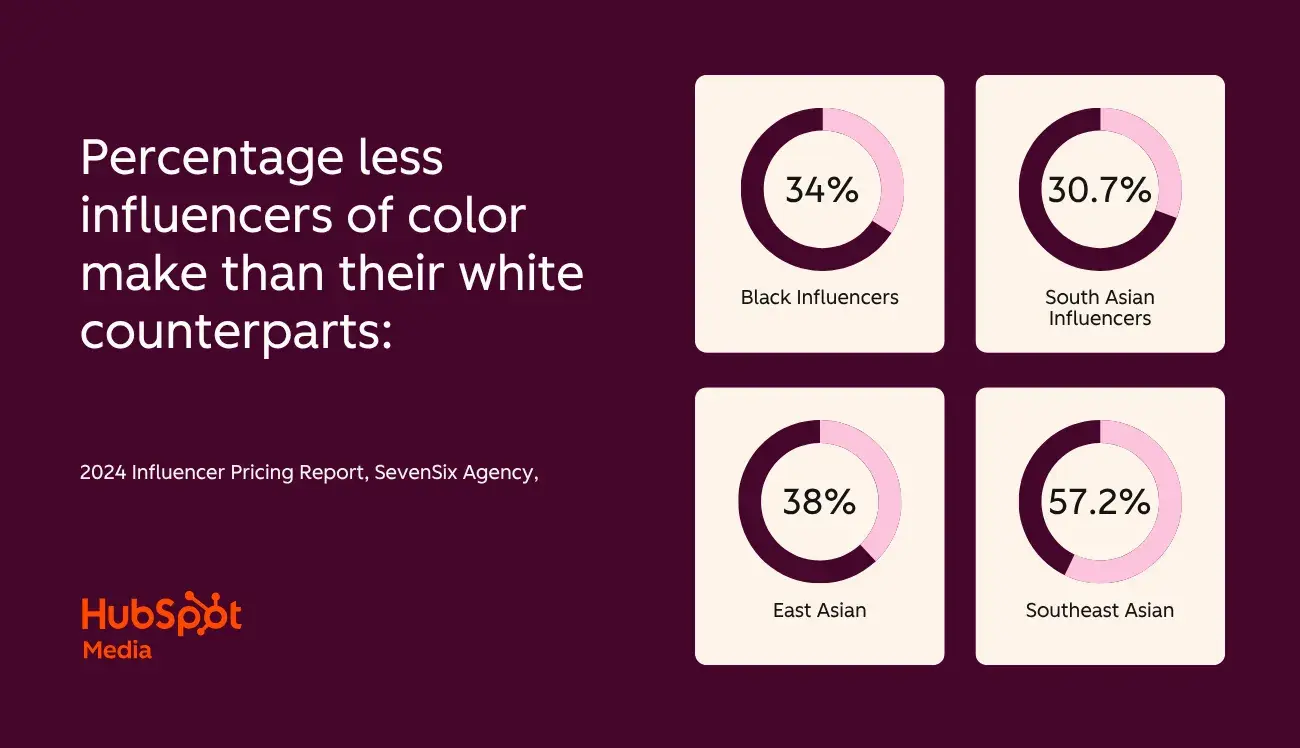
Becoming a successful content creator is hard for everyone, but it’s especially difficult for minority creators who Studies confirm that on average they make up 50% less than their white colleagues.
Branding can help bridge this gap.
Today the question is no longer whether you belong in this area – you definitely do. Rather, it’s about how you build a brand with real authority, a loyal audience, and a business that thrives in a difficult environment. In this article, we share eight actionable tips to help you do just that.
Table of contents
The state of the creator economy
The creator economy is undoubtedly growing quickly. HubSpot Research found that 89% of companies will have worked with a content creator or influencer in 2025 and 77% plan to invest more in influencer marketing this year.
But despite the fame About 96% of YouTubers still earn less than $100,000 per year. There is a huge gap between those who earn a sustainable income and those who do not.
Forbes contributor Jason Davis argues that this is because the industry has matured and brands are focusing their investments on “tried and tested” influencers. In other words, wealth is concentrated among fewer creators.
“Early stages reward experimentation and specialization,” he explains. “When search engines came along, Archie and Ask Jeeves held the traffic, (but) Google captured market share and was rewarded by integration, scalability and disciplined execution. The creator economy has reached the same point.”
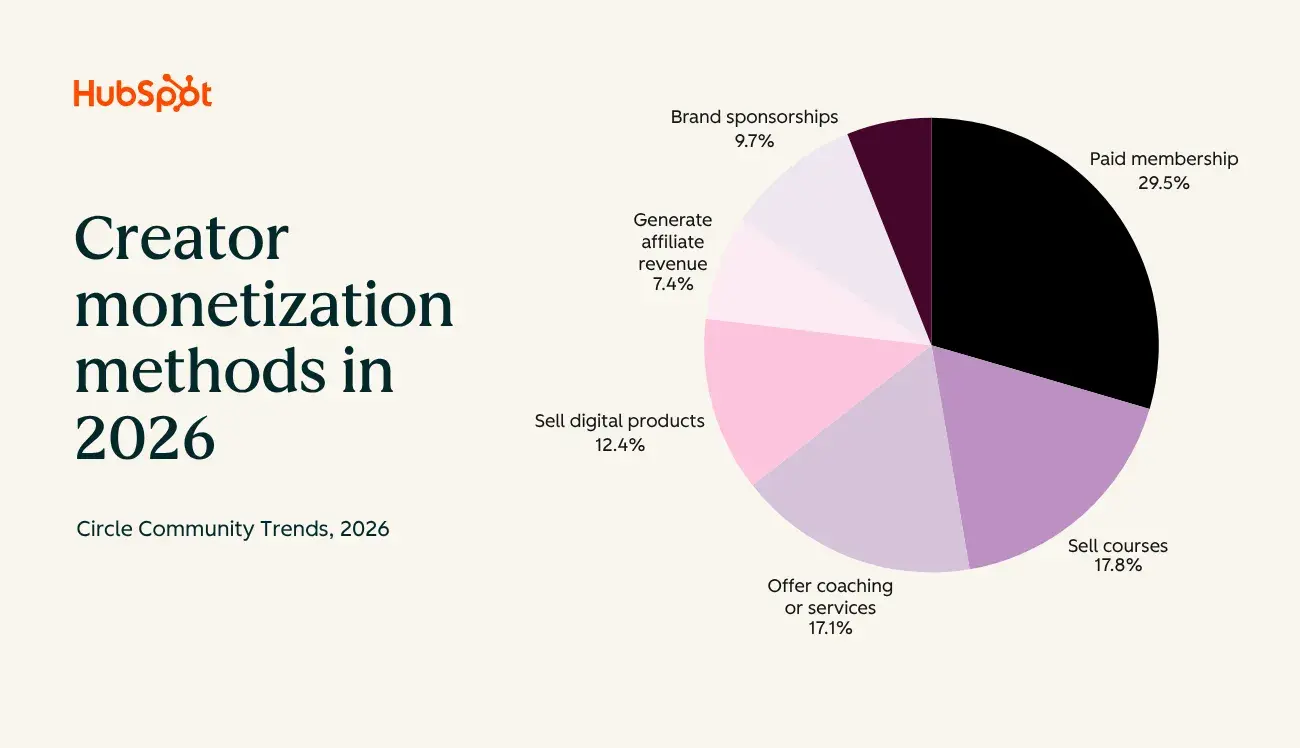
There are now more than 200 million YouTubers worldwide, and the top earners don’t just post more; You diversify into five or more sources of income. Actually, according to Circle, Only 22% of YouTubers report earning income from affiliate revenue, while only 18% earn income from sponsorships.
- 88% monetize through paid memberships
- 53% sell courses
- 51% offer coaching or services
- 37% sell digital products
- 22% generate affiliate income
- 18% earn through sponsorship
With this in mind, here are some strategies you can use to grow your brand (and overcome the pay gap).
How to strengthen your brand as a minority creator
1. Lead with your unique authority
A niche finds that your audience and identity can open doors, but authority is what keeps them open and scales your brand beyond the novel.
Many marginalized entrepreneurs are encouraged (and even expected) to put their personal story or background front and center, but without clear expertise in their niche, this attention is rarely converted into sustainable opportunities. Additionally, you don’t want your identity to become a “gimmick.”
Given the potential for bias, your brand needs to communicate value quickly and clearly. And the more specific your niche or focus is, the more recognizable and sought after you will be.
The key is to be narrow enough that no one can replicate what you bring to the table. Make brands and audiences feel like they don’t just want to work with you – they have to.
Use your platforms to show what you do best:
- The problems you solved
- The results you drove (including data, proof points, case studies, testimonials, before and after)
- The tools to get you there
- The lessons you’ve learned
Talk about the topics where you have unique experience and real passion.
Of course, that doesn’t mean you have to ignore or water down your identity. Your identity is part of what defines you Youbut think of it as context that deepens your perspective and makes your insight clear, rather than as the basis of your value. Over time, this change takes your brand from interesting to essential.
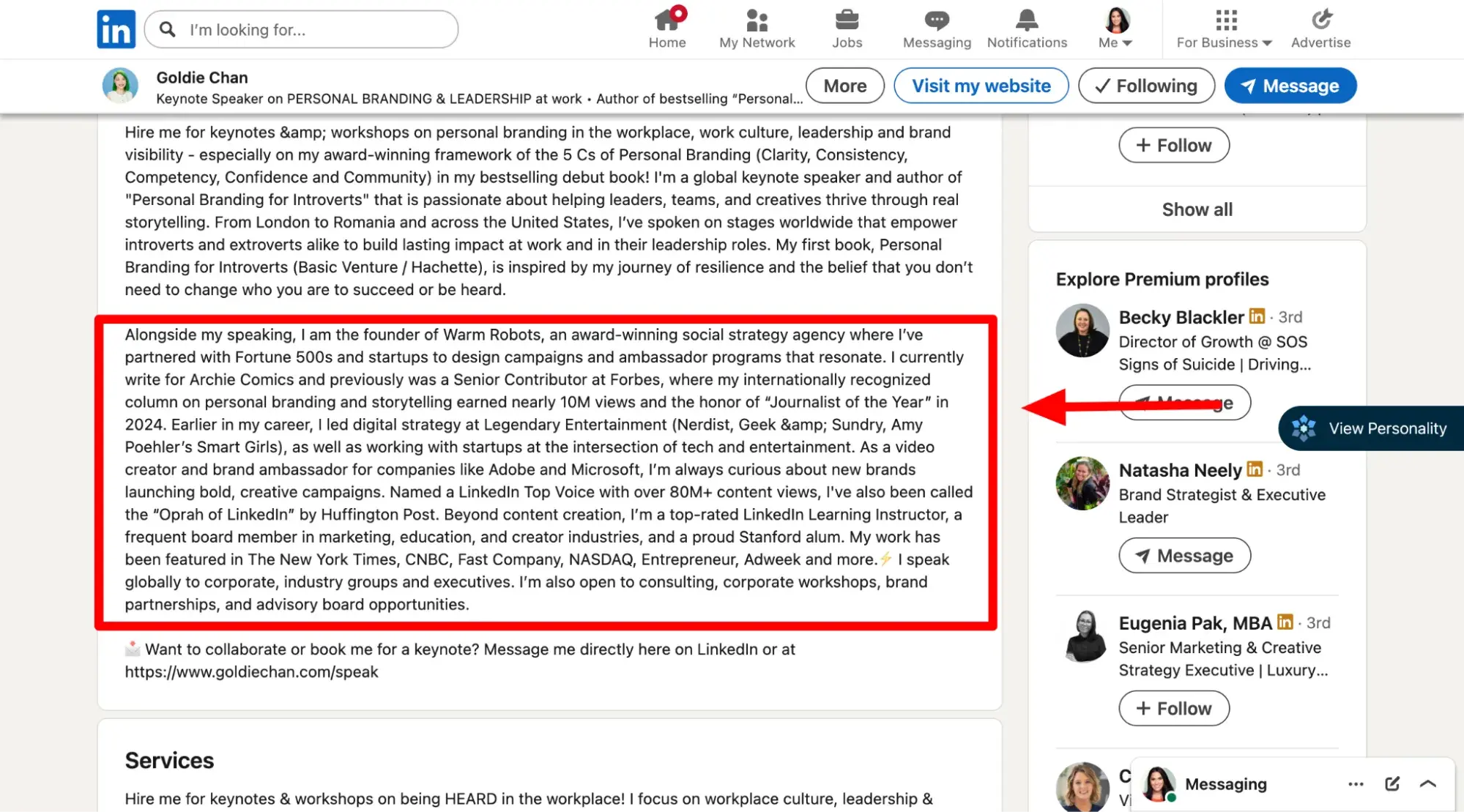
Goldie Chan did a great job here.
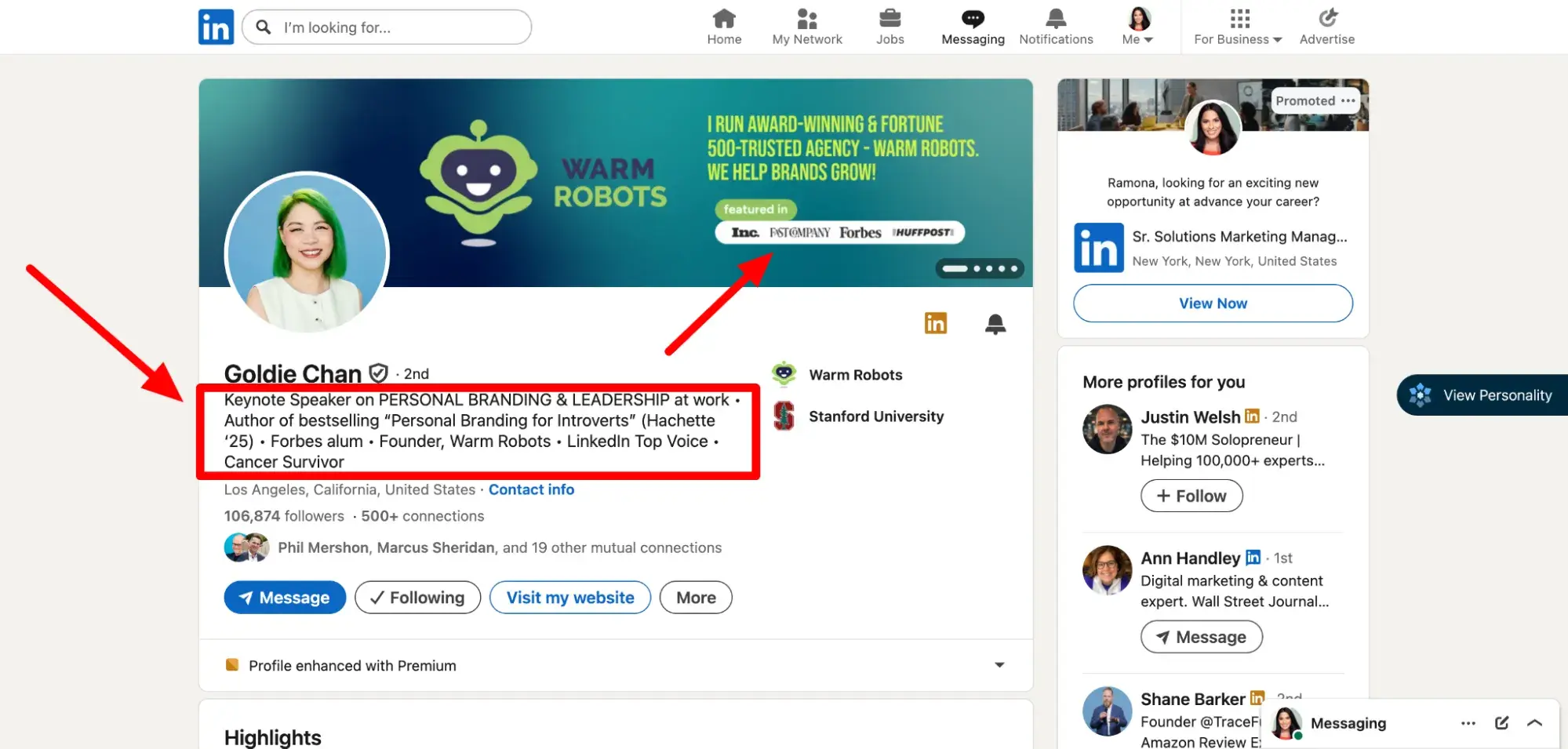
As an author, speaker, and LinkedIn Top Voice for Personal Branding, Chan leaves no stone unturned when it comes to sharing what got her there. Her profile headline and bio detail her qualifications and achievements, including starting an agency, working with Fortune 500 companies, and leading social strategy for both startups and organizations as large as Nerdist.
2. Find your courageous stand
There’s an old saying: If two people always agree, there’s no need for either of them. To a certain extent, the same applies to the creator economy. If you only say or share the same things as everyone else, why would anyone choose you over others?
Give them what they can’t get anywhere else.
Find your sharp point of view; Your bold opinion, belief or strategy that challenges norms and redefines the way people think about a relevant issue, topic or industry. This is what keeps you quoted, cited, invited and remembered.
For example, instead of just sharing what you experienced, articulate what most people do wrong and what you did differently instead.
The difference looks like this:
- ❌ “My journey as ___”
- ✅ “Why most companies fail because of ___ – and what actually works”
But don’t think that you have to get upset just to get noticed.
My friend and Marketing and Brand Speaker, Chirag Nijjerexplains: “People hear ‘bold view’ and assume it has to be complex or contrarian. That’s not the case. The strongest view is simply the lens you apply to everything you do.”
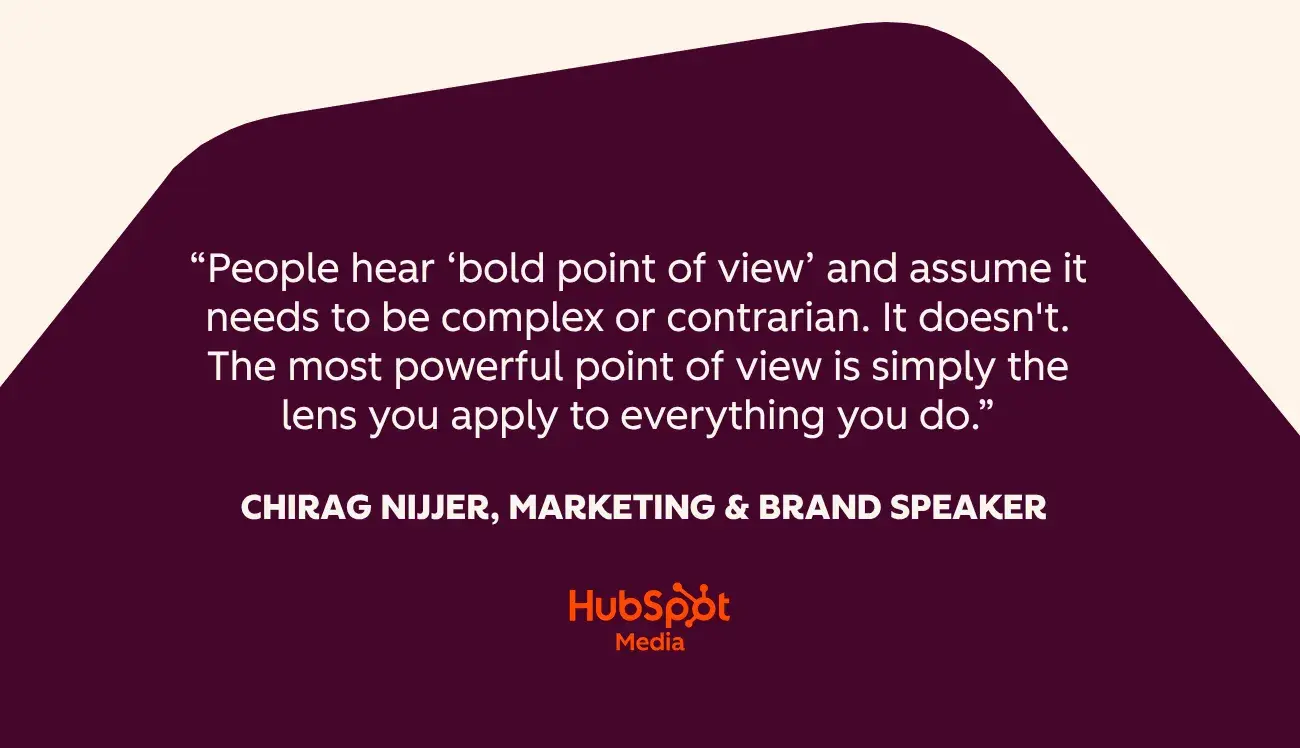
Nijjer’s question came from studying how brands survive massive times of change: “What story do you want to tell?”
“Starbucks almost lost itself in the pursuit of speed and competition in 2008 until Howard Schultz returned and redirected its investments into things like ergonomic seats and smaller machines,” Nijjer continues.
“Such decisions only made sense when you came back to their narrative and ‘story’ of being a third place. This one question is the POV from which I lead every keynote, every video and every consulting engagement.”
He also argues that the same discipline applies to any creator who creates something that must last. What story do you want to tell with your personal brand?
3. Build and own your distribution
Research once found this out 42% of YouTube creators would lose more than $50,000 annually if your account access has been revoked. In other words, YouTube wields significant power over its audience and earning potential.
This is why your own distribution is one of the most important assets you can build. The most resilient brands don’t rely solely on social platforms or third-party visibility, leaving them vulnerable to algorithm changes, shifting priorities, or exclusion from key networks.
Rather, they build direct relationships with their audiences so they maintain control over their rhythm, messaging, pricing, and more.
How can you do that?
- Start collecting emails early. (HubSpot Marketing Hub can help you here.)
- Use social media as a layer of discovery – not your foundation. Back up your content on a website or app you control.
- Prioritize platforms where your audience is actively interacting, not just scrolling. Have conversations. Hear. Ask and answer questions.
- Optimize commonality among like-minded people, not virality among strangers.
When you own your distribution, you reduce reliance on gatekeepers and create a more stable, scalable growth path.
4. Productize/monetize your knowledge early
Part of successful content marketing is sharing valuable information. However, that doesn’t mean you should give away everything for free.
Many creatives spend far too much time sharing insights, advice, or expertise without fully grasping the full value of that knowledge, which can lead to burnout and undercompensation. By producing this knowledge early on, you can increase your impact and income without necessarily increasing your workload. Productization can take many forms.
Some of the most popular and effective are:
- Online courses (self-hosted or on Udemy, Skillshare, Teachable)
- Workshops
- Templates
- Books (digital or printed)
- Content subscriptions/memberships (e.g. Patreon, Substack or HubSpot Content Hub)
- newsletter
You can find a practical example below Creator Bianca Byersalso known as Bianca Bee. Byers is a seasoned media professional who has worked for E!, The Oprah Winfrey Network, TMZ, VH1, FOX Networks and Paramount Pictures, among others. She has parlayed her expertise into three books, a YouTube talk show, a cosmetics line, and her own brand and media collaborations.
She explains, “Working in the television industry for over a decade has taught me to never rely on a single source of income. Rather, I am intentional about growing my personal brand outside of my day job, generating additional income from the channels I own, and turning my voice into tangible products that truly serve my audience.”
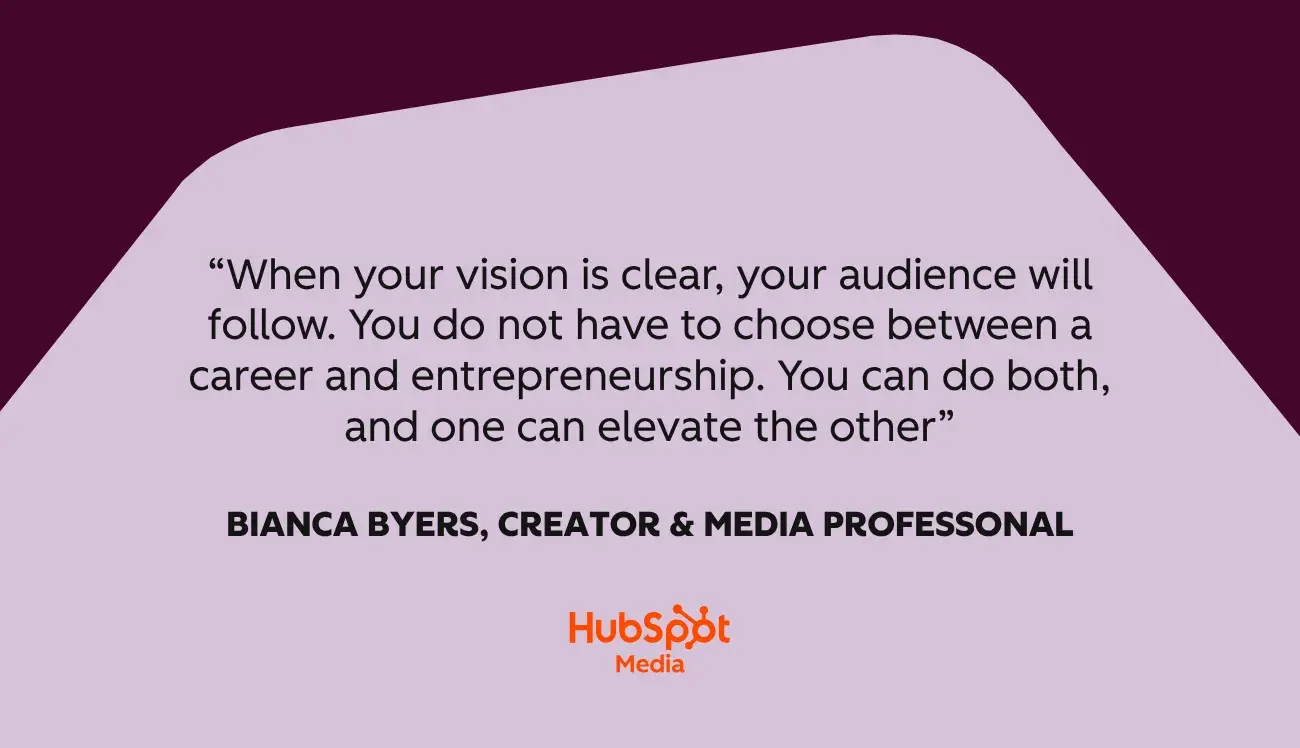
My advice to creators is to monetize your knowledge early on in a way that feels meaningful and don’t be afraid to build multiple streams under one brand umbrella. If your vision is clear, your audience will follow. You don’t have to choose between a career and entrepreneurship. You can do both and one can improve the other.”
Nijjer agrees. He shared, “Most YouTubers wait for an imaginary threshold before charging for what they know, but at the same time they are training their market to expect their expertise for free. I put the same brand research from my videos into a keynote Years before anyone told me I was ‘ready’.”
This keynote opened doors for Nijjer to platforms like Adobe, Shopify and the History Channel.
But what exactly should you produce? If you are asked the same question over and over again, the answer can probably be a product.
“The knowledge I share in my keynote is the same knowledge behind my Instagram content and my television commentary,” Nijjer reiterates.
“What changed was the packaging and the method of sharing the information. Some people want to learn through social media and it requires little effort, so it’s free. Others want personal advice and lots of resources that cost money. So they become paid resources. Start early by packaging your expertise into containers that people can buy – like a talk, a workshop or a paid framework. This packaging teaches the market to value you not just as an expert, but as a product.”
Overall, you want to make it easy for people to pay you without asking how and calculate the value you really bring.
5. Be selective about visibility
Dynamics come from saying “yes” to the right things, but not to everything. Before a panel, partnership, or feature opportunity, ask yourself:
- Does this increase my authority or just my awareness?
- Do I control my narrative in this context?
- Will it lead to tangible results such as: E.g. audience growth, partnerships or revenue?
- Is this relevant or valuable to my existing audience?
Opportunities that position you well, in spaces where you want to be known, are worth pursuing. The ones that don’t step up? It’s okay to pass regardless of how they’re packaged.
Ariel Gonzáleza HubSpot content marketing manager and “magical marketer,” agrees. “It’s tempting to say yes to every opportunity that comes your way, especially when you’re early in your branding journey,” she shared with me.
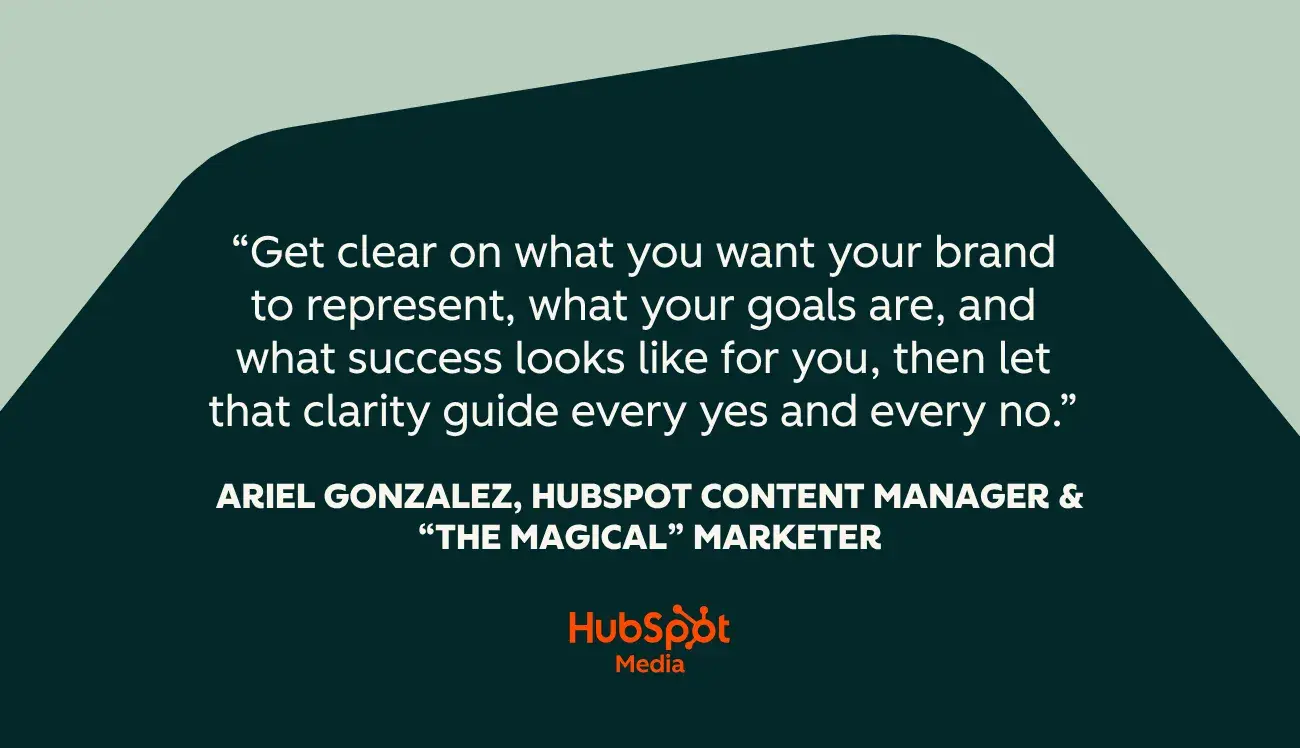
“Shortly after I was laid off, I began investing in my visibility on LinkedIn. Since then, I’ve been creating content, strengthening my brand, and attending several speaking engagements, including the Latino AI Summit – but not every opportunity will be right for you. Gaining visibility for visibility’s sake puts you in a reactive position, leaving others to define your brand instead of you.
Be clear about what you want your brand to represent, what your goals are, and what success looks like to you, and then let that clarity guide you through every yes and every no.”
Collaborate sideways (not just upwards)
Traditional networking advice often recommends building relationships with people who have more power or influence. But for many growing entrepreneurs, especially those from marginalized communities, lateral collaboration (working with colleagues at a similar stage) can be more accessible and effective.
Such relationships are based on mutual respect, trust, shared experiences and shared goals. They allow you to tap into common audiences, create valuable resources together, and grow together without relying on hierarchical validation.
Whether it’s hosting events together or creating shared content (e.g. Half-Pakistani, LGBTQ+ creators). Taha Arshad And Shehzad Ali Khan in the video above) or launching joint products, these partnerships can accelerate growth while strengthening community-based support systems instead of competition.
This is also strategically important: micro-creators with 10,000-100,000 followers consistently deliver higher engagement per dollar than larger accounts. This is also the group that marketers report the most success with in our survey. This bodes well for peer-to-peer collaboration, as it is both community-building and smart business.
6. Apply for grants and programs for minority cultural workers
Access to funding programs and capital is a major barrier to new ventures, especially for minority founders. Grants and minority-focused funds are not as common as they were a few years ago, but they still exist. Here are some you can check out:
- NALAC Fund for the Arts: The only national grant program that exclusively supports Latin American artists, cultural workers and arts organizations in the United States and Puerto Rico. Since its inception, NALAC has given out awards over 1,300 grants totaling more than $8 million.
- The Diverse Books Mentorship Program: Supported by We Need Diverse Books, this program connects Black children’s authors with publishing industry professionals for personal mentorship, networking support, and craft development. Ideal for authors incorporating books and written content.
- Pinterest Inclusion Fund: Are you an avid Pinterest creator? Pinterest’s Inclusion Fund aims to empower the creations of historically disadvantaged communities through financial and educational support. In addition to a cash grant, participants can participate in a six-week Pinterest success program supported by monetization opportunities and more.
- Brown girl angels: Brown Girl Angels is a global collective of South Asian angel investors, venture capitalists and founders. Members invest in companies across all industries that are raising seed capital for Series A rounds and have at least one South Asian female founder. They also offer educational content, networking events, and more to help Brown Girl founders learn and grow their businesses.
- Cartier Women’s Initiative (CWI): Celebrating its 20th anniversary in 2026, the Cartier Women’s Initiative is an international entrepreneurship program that supports women entrepreneurs to drive social and environmental change by providing financial, social and talent support to grow their businesses and develop their leadership skills. Three grants ($30,000-$100,000) and human and social capital are awarded each year through a one-year fellowship and lifetime access to the 800+ members of the CWI community.
- The creative collective — Founded by Imani Ellis in New York City, this community and creative agency caters to multicultural creatives. They offer job opportunities and networking opportunities, including their flagship event CultureCon.
- LinkedIn Creator Accelerator Program: LinkedIn offers a six-week program where ambitious participants can see their visions and innovations come to life. The selected group will have access to multiple opportunities to amplify their voice on social media channels and will receive a $15,000 grant. Although the program is not specifically targeted at underrepresented communities, it has been expanded to include them India, Braziland the United Kingdom., which shows the platform’s commitment to globalization. This is ideal for aspiring B2B entrepreneurs, creatives and influencers.
- Inclusive media initiative: This program from Pixability helps connect brands with diverse creatives and create measurable and sustainable equity through media opportunities.
- Famous Amos Ingredients for Success (FIS) Entrepreneurs Initiative: IFS was founded in 2020 in collaboration with the US Black Chambers Incorporated (USBC). It creates opportunities for young Black entrepreneurs to succeed by providing $150,000 in capital awards, mentorship, networking and educational resources to three winners.
- HerSuiteSpot: a membership-based leadership network for ambitious women building influence, income and investable companies. Members receive access to leadership development training, coaching, real-time business support, grants and funding opportunities, as well as workshops, media features and more. That of the organization HerRise Microgrant also donates $1,000 each month to underfunded women-owned businesses.
Looking for more? Check out our article: “Top business scholarships for underrepresented startup founders.” There are also a variety of federal grants available the Minority Business Development Agency.
7. Join brands that promote and prioritize inclusion
While federal legislation in 2025 led some brands to eliminate their diversity, equity, and inclusion (DEI) programs and initiatives, a significant group of others stood firm and actively built creator programs based on them. According to Morning Consult’s 2025 tracking dataBrands that met their DEI commitments actually saw a 3.2 point increase in net buzz scores year-over-year.
This is important to you as a minority creator, not only because they are advocating for you, but also because it is part of your brand where you are partnering. Additionally, these partnerships tend to be more collaborative, more equal, and position you as a long-term partner rather than a diversity checkbox.
Depending on your niche, here are some partners you can consider.
Ulta Beauty
Ulta Beauty has become one of the most visible examples of a brand that didn’t bat an eyelid when federal regulations changed. The beauty retailer stood by BIPOC-driven demands MUSE acceleratorwhich offers eight young beauty brand founders from underrepresented communities a 10-week curriculum on brand strategy, supply chain and retail readiness.
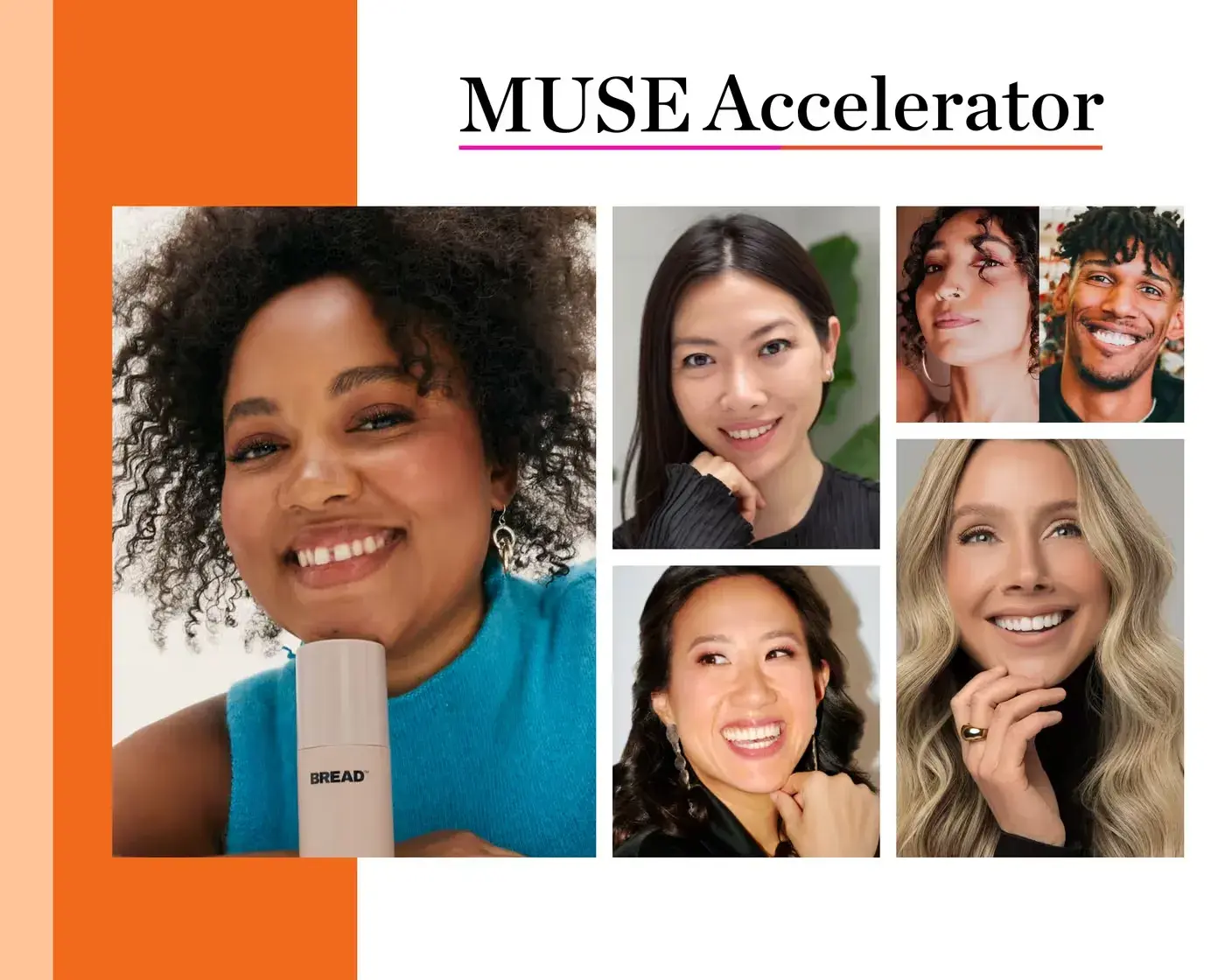
Each participant will also receive a $50,000 grant and an additional $10,000 award in partnership with the Fifteen percent promise. If you are a creator or entrepreneur specializing in beauty, this is one of the most comprehensive programs available.
HubSpot
HubSpot’s Creator Program works with podcasters, video creators, and media creators whose content reaches a business audience.
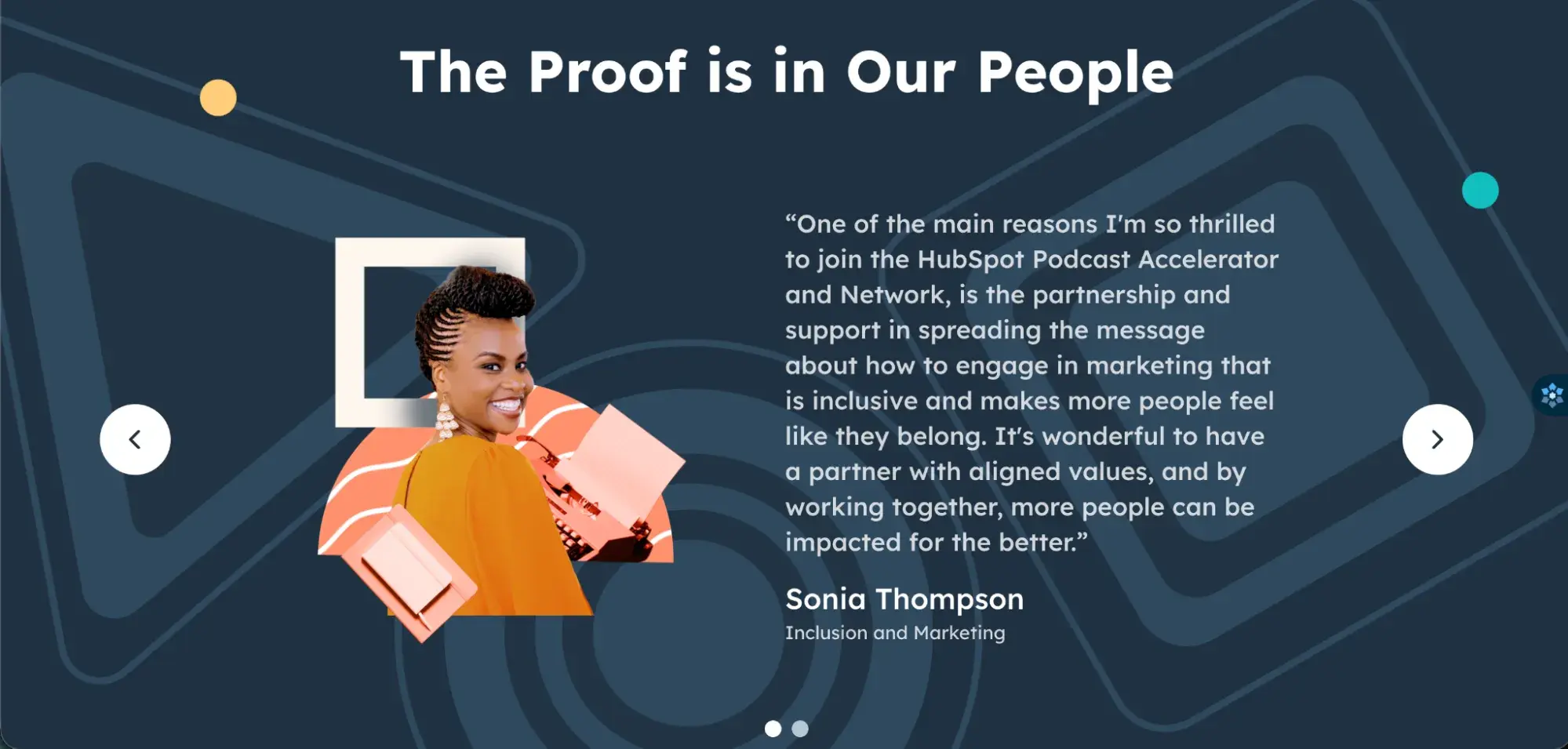
What sets our program apart is its selection criteria: HubSpot evaluates creators based on their focus on their core audience, production quality, host talent, social reach, and our related goals. The final criterion is intentional and structural, not performative. If you are creative in business, marketing, entrepreneurship or career, this is worth exploring.
Spotify
Spotify has arguably developed one of the most comprehensive inclusion frameworks in media specifically for creators. Started in 2022 Creator Equity Fund had a slow startbut now quietly supports several active programs that can benefit marginalized groups, such as:
- frequency: Spotlights and amplify Black artists and podcasters on the platform;
- EVEN: The same goes for female creatives around the world
- NextGen: Funds scholarships, equipment and curriculum at HBCUs, including Spelman College, Howard University, Hampton University and North Carolina A&T. It is specifically designed to build the next generation of diverse audio artists.
- Open Door Fund: UK initiative providing vital resources to create spaces for young people to come together, create and express themselves artistically, particularly in underserved communities.
Spotify has affirmed all of these programs in its Equity & Impact Report 2024. So if you’re creating a podcast, audio, or music (or are looking to do so), it’s worth checking out Spotify for partnership and expansion opportunities.
8. Protect your narrative as you grow
As your brand gains visibility, media and audiences may try to reduce you to a single narrative.
This is particularly common among entrepreneurs from marginalized backgrounds, whose work may be reduced to identity-focused narratives rather than recognized for its full impact.
Stay vigilant to prevent your brand from going under.
This means consistently publishing content that demonstrates depth, reach, and strategic thinking—not just personal experiences. It also means addressing misalignments when they arise rather than allowing others to define your narrative for you.
“Every collaboration, every press feature, every stage you’re on means someone else is crafting your story for their audience,” Nijjer explains.
“I deal with brands that have survived decades of change, and those that have lost their way almost always did so by letting external forces dictate their identity as they grew. So I treat my own narrative the same way: every opportunity is filtered through the question of whether it strengthens or dilutes the story I’m building. That discipline means saying no to things that look good on paper, and that’s one of the hardest Skills a creator can develop. Your story is most important.”
Pro tip: Nijjer requires every YouTuber he works with to create what he calls a “trust document.”
“Sit down and write down your key stories, your origins, your turning points, your thesis, in the exact language you want someone else to use when talking about you. Then tell those stories so consistently, in your content, on stages, in interviews, that the language becomes automatic to the people around you.”
“This is how you build what I call ‘brand echoes,’ where your audience starts repeating your ideas in your words. You don’t protect your narrative by defending yourself. You protect it by being so clear and repetitive that no one has to guess what it’s about.”
Frequently asked questions about strengthening your brand as a minority creator
What is the biggest challenge for marginalized entrepreneurs?
Access to capital, networks and fair pay remains the most persistent hurdle for creatives and entrepreneurs from underrepresented backgrounds.
Studies show Minority creators earn significantly less than their white counterparts – specifically, Black influencers earn 34.04% less, South Asian influencers earn 30.70% less, East Asian influencers earn 38.40% less, and Southeast Asian influencers earn 57.22% less.
Additionally, algorithmic bias and increasingly concentrated brand spending means minority creators often have to work harder for their visibility. That’s why building your own sales force, diversifying revenue sources and working with integrative partners are not just nice things to do, but strategic necessities.
Why is personal branding important for underrepresented founders?
Building a personal brand helps bypass traditional gatekeepers, build trust directly with audiences, and create independent revenue streams. Even if you don’t necessarily have the same exposure or resources, your reputation and credibility speak for you.
What is the fastest way for a brand to grow today?
There’s no one-size-fits-all set of rules, but today’s fastest-growing developers have a few things in common. The winners are those who lead with a specific, credible point of view; appear regularly on the platforms where their audience actually engages (not just scrolling); and monetize early rather than waiting until they feel “ready.”
Collaborating laterally with peer creators can also accelerate growth faster than pursuing top-down validation, especially in the early stages.
Build the brand you want to see in the world
The creator economy has never been more accessible, but also more competitive. For minority founders and entrepreneurs, this duality is palpable. The obstacles are real, but so is the opportunity.
The eight strategies in this article are not about circumventing a system that can be unforgiving of marginalized groups, but rather about building something more lasting than that system: a brand with real authority, an audience you own, and a business model that doesn’t depend on a single platform, gatekeeper, or trend cycle.
Brands that maintained their diversity commitment into 2025 saw a 3.2 point increase in net buzz metrics year-over-year Morning consultationto show that the market rewards inclusion and does not deviate from it. And regardless of the hurdles, it’s the environment in which you build.
The creators who will win in the next decade aren’t just the loudest or most followed. They are the ones who are clear about what they stand for, who think most carefully about where they are going, and who are most careful to protect the story they tell.
You already have a perspective that no one else can replicate. Now it’s time to build the brand to match.
Welcome to Break the blueprint – A The HubSpot series addresses the unique challenges and experiences of minority-owned businesses and professionals from underrepresented backgrounds in the United States. Discover topics and stories that promote these differentiators, advance careers, help entrepreneurs grow their businesses, and overall promote the success of marginalized groups in a modern marketplace.