


I spent the first eight months of my blogging life waiting for AdSense to make a change.
I had 9,000 monthly visitors, wrote 47 posts, and opened my AdSense dashboard every morning hoping to see a number worth talking about.
It never was. My best month? $22.
That’s when I stopped looking at display ads as a strategy and started looking for AdSense alternatives and treating them for what they actually are.
A side effect of traffic. No business model.
I wish someone had planned the following 30 methods for me on day one. Some you can start today without an audience. Others initially require months of preparatory work. So if these are right for you, start now.
I’ll tell you exactly which is which so you don’t lose eight months like I did.
Key insights
- I’ll show you exactly how to make your first $1,000+ with a WordPress blog
- I’ll tell you the 5 fastest ways to monetize, even if you’re just starting out
- Explain why most bloggers stop at $50 per month and what you can do instead
- I explain which methods are passive and which require ongoing effort
- I tested 30 income strategies so you know which ones are actually worth it in 2026
Before You Begin: What Makes a Blog Ready to Make Money?
First, you need to understand the difference between a blog and a website.
A blog is a dynamic type of website or a section within a website characterized by regularly updated content.
While a “website” is an umbrella term for any collection of web pages, companies often use their primary website to host fixed information such as services, portfolios, and contact information.
Technically, a blog is always a website, but you can choose to use a dedicated blogging platform or create a comprehensive website that works without a blog.
To create a WordPress blog, you need a domain name and reliable blog hosting.
A domain name is the address of your website on the Internet, for example Google.com or IsItWP.com. Web hosting stores your website content and files online.
The total cost of a domain name and hosting can be quite high, especially if you are just starting out.
That’s why we signed a deal with Bluehost to offer our users a FREE domain name and over 70% discount on web hosting.
Click here to claim this exclusive Bluehost offer »
Bluehost is one of the largest web hosting providers in the world. They are an officially recommended hosting provider by the developers of WordPress.
Before you get started, keep in mind that these are not get-rich-quick schemes. You have to put in the time and effort to reap the rewards.
Need help building a blog before you get started? No problem. For detailed instructions, see our article on creating a WordPress blog.
Most experts won’t tell you that. Not every blog is ready to make money using every method.
Some methods work with 500 monthly visitors. Others need 50,000. Starting with the wrong method for the current stage is the most common reason bloggers give up before seeing any real income.
Here’s a quick reality check.
You need a self-hosted WordPress blog.
Free platforms like WordPress.com or Wix limit monetization. You can’t create custom ads, have limited affiliate tools, and no plugin access.
You need WordPress.org on your own hosting. This gives you full control over every method in this article. If you haven’t set this up yet, start a WordPress blog step by step before continuing.
The good news: If you’re using another CMS or a third-party blogging account, you can quickly switch to WordPress.org. Check out this post. I’ll tell you how to migrate to WordPress from any CMS.
In addition, depending on your case, you can find more specific migration tutorials here.
Different methods have different traffic areas:
- Affiliate marketing: works with just 200 to 500 monthly visitors if your content targets buyer keywords
- Display ads (AdSense): Works at any level, but only pays off meaningfully after 10,000 monthly sessions
- Sponsored Posts: Brands typically reach around 5,000-10,000 monthly visitors in a clear niche
- Online courses and memberships: Traffic is less important than audience trust. Even 1,000 loyal readers can finance a publication
- Services (consulting, freelancing, coaching): No traffic required. Your blog is your portfolio
Realistic Income Schedules:
- First $100: 3 to 6 months
- First $1,000/month: 12 to 18 months of consistent release
- Full-time income (over $5,000/month): 2 to 4 years for most bloggers
None of this is a get-rich-quick scheme. But with the right method for your current stage, it is entirely achievable.
How I evaluate these methods
🔍 Click here to see how I evaluate each blogging income method
Here’s exactly what I look at when I think about how to make money blogging:
- Income limit: Can this realistically reach $1,000, $5,000, or more than $10,000 per month?
- Starting difficulty: Can a beginner do this today, or does it require a technical setup?
- Required traffic: Does this work for low traffic or only at large scale?
- Passive vs. active income: Can you make money while you sleep or does it require ongoing work?
- WordPress implementation: Is there a plugin that makes this easy on a WordPress blog?
This is how I test:
- I run a self-hosted WordPress blog and test every method with real plugins and real setups
- Track your earnings via MonsterInsights to measure actual conversion performance
- I review community feedback and real blogger income reports to validate methods at scale
Why trust IsItWP?
At IsItWP, we’ve been the go-to source for the WordPress community since 2009, helping over 2 million users build better WordPress websites.
Unlike review sites that skim product pages, we maintain active WordPress installations, conduct real test implementations, and write from direct experience with every tool and method we recommend.
30 Ways to Make Money Online Blogging in 2026
The list of 30 ways to make money online is long. So that you can find the best fit at a glance, I have divided this article into different sections.
You can also use the table of contents below to navigate to any part of the article. I also added a table for each section. This allows you to quickly compare all the methods in each section.
Monetize your blog content
These methods allow you to earn directly from the content you publish without developing products or selling services. Most bloggers start here.
| Proceedings | Income potential | Traffic required | Passive? |
|---|---|---|---|
| 1. Display advertising | 2-35 rpm | High | ✅ Yes |
| 2. Affiliate Marketing | $50-$10,000+/month | Low-Medium | ✅ Most of the time |
| 3. Sponsored Posts | $200-$5,000/post | medium | ❌ No |
| 4. Direct advertising sales | $100-$2,000+/month | medium | ✅ Most of the time |
| 5. Email newsletter | $500-$5,000+/month | Low-Medium | ✅ Most of the time |
| 6. Paid newsletter | $500-$10,000+/month | Low | ✅ Yes |
| 7. Brand Ambassador | $500-$5,000+/month | medium | ❌ No |
1. Display advertising
Best for: Frequently frequented bloggers from the areas of lifestyle, food, travel or news
Income potential: $2-$35 RPM (revenue per 1,000 page views)
Required traffic: High (10,000+ sessions to earn meaningfully)
Display advertising is the easiest way to monetize a blog, but also the most misunderstood.
Most beginners start with Google AdSense because it is easy to set up. That’s okay. But AdSense RPMs cost an average of $2 to $5 per 1,000 page views.
You need a lot of traffic to earn anything significant. When comparing options, there are several Google AdSense alternatives you should know about before you decide.
The real money is in premium ad networks.
Once you reach 50,000 monthly sessions you can apply Mediavinewhere RPMs typically cost between $15 and $25. For 100,000 sessions, AdThrive (now Raptive) pays $20-35 per minute.
For a blog with 100,000 monthly page views, that’s a difference between $300/month (AdSense) and $2,500/month (Raptive). Same traffic but very different revenue.
Display advertising is passive once it’s running. But it’s a poor primary strategy for new blogs. Use it as a supplement while you build more active sources of income.
👉 Set up Google AdSense on your WordPress site with this step-by-step guide. Once you reach 50,000 monthly sessions, apply to Mediavine.
2. Affiliate Marketing
Best for: Bloggers who review products, write how-to guides, or cover any niche with tool or gear recommendations
Income potential: $50-$10,000+/month
Required traffic: Low-Medium (Content with purchase intent converts as early as 500 visitors/month)
Affiliate marketing is the most reliable income driver for most bloggers and the quickest to start.
This is how it works: You join an affiliate program, receive a unique tracking link, and earn a commission when a reader purchases through it. Commissions range from 5% for physical products to 30-50% for software subscriptions.
The key is to target content with buyer intent. A post titled “Best Project Management Tools for Bloggers” has a conversion rate of 3-8%. A post titled “What is Project Management?” maybe 0.1%.
Same traffic, completely different revenue. When I focused my editorial calendar on buyer intent keywords, my affiliate income tripled in 90 days without acquiring a single new visitor.
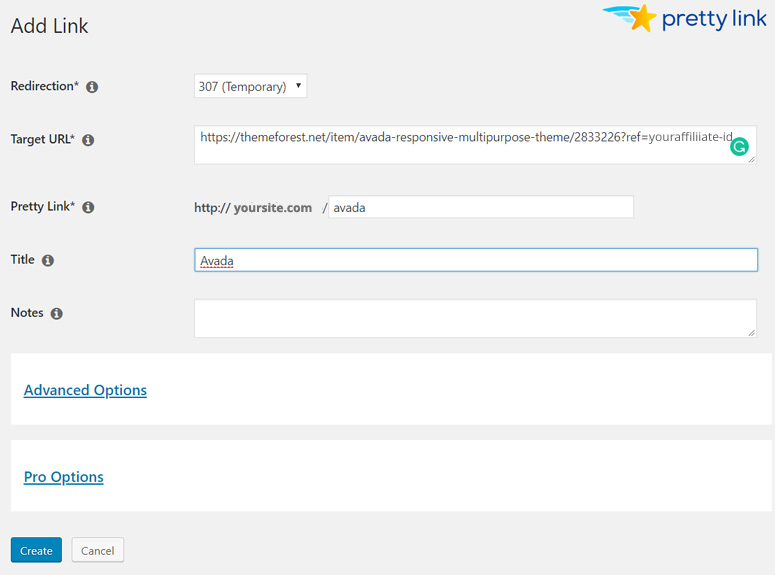
ThirstyAffiliates and Pretty Links allow you to manage, obfuscate and track your affiliate links from your WordPress dashboard.
For example, look at the screenshot below to see how Pretty Links obfuscates URLs. As you can see, Pretty Links specializes in branded, clean-looking URLs.
On the other hand, ThirstyAffiliates focuses on link categorization and click tracking. Check out the screenshot below to see what I mean.
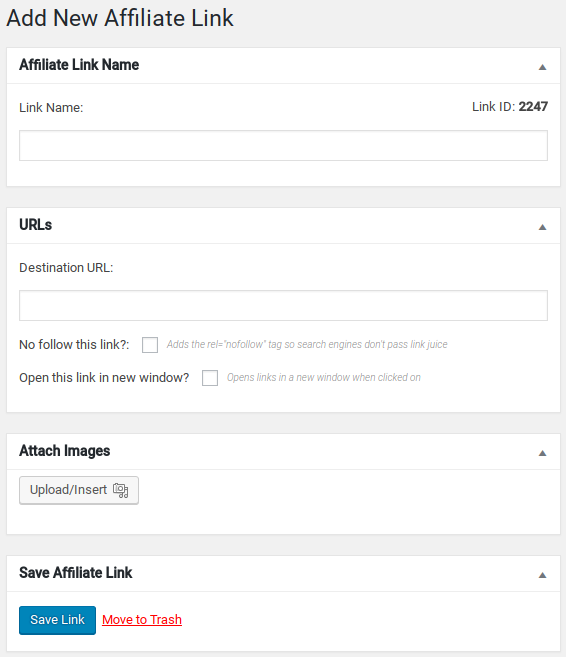
Both are better than raw affiliate URLs pasted into posts, and both give you click-level data so you know exactly what leads to a conversion. For a full breakdown, see my ThirstyAffiliates vs Pretty Links comparison.
👉 Sign up for 2-3 affiliate programs in your niche. Check out the best WordPress plugins for affiliate marketers for tools to manage everything.
Best for: Bloggers with a defined niche and an engaged, trusting audience
Income potential: $200-$5,000+ per post
Required traffic: Medium (brands typically want 5,000-10,000+ monthly visitors in a clear niche)
Brands pay to resonate with their audience. This is the simple version.
A sponsored post is content written by you that promotes a brand’s product or service. You receive a flat-rate payment. Pricing depends on your niche.
For example, a financial blog with 10,000 monthly readers will command higher prices than a general lifestyle blog with 50,000 because the audience is more targeted and more valuable to specific advertisers.
There are two ways to find sponsors: wait for them to reach out or proactively promote brands you already use and believe in.
Direct contact with a simple media kit, e.g. Your traffic, audience demographics, and sample rates works better than most people expect.
There is one thing you must not skip: FTC Disclosure. U.S. law requires you to clearly identify sponsored content. “This is a sponsored post” belongs at the beginning of the article and not in the footer text.
The FTC tightened enforcement in 2024 and the rules also apply to small blogs.
If you regularly publish sponsored posts, you may want to install this WPForms Plugin on your website.
If you’re looking for an easy place to start, you’ve come to the right place.
WPForms allows you to create a post submission form on your WordPress site.
With a post submission form, you can allow users to submit a post in WordPress without giving them access to your WordPress dashboard.
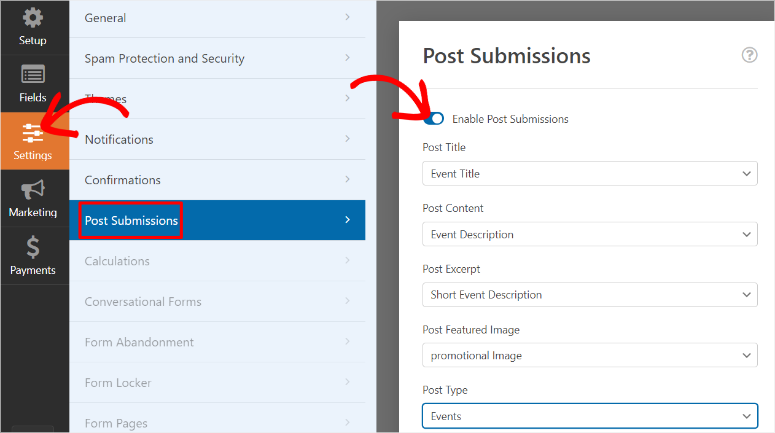
Additionally, you can request payment from your sponsors while submitting the post for review.
For more information, see my WPForms review.
👉 Create a one-page media kit with your traffic and audience data. Start by pitching 3-5 brands whose products you already recommend organically.
4. Sell direct advertising space to brands
Best for: Blogs with a niche audience that specific brands want to reach repeatedly
Income potential: $100-$2,000+/month per ad slot
Required traffic: Medium (5,000-20,000 monthly visitors in a defined niche)
This is different from display advertising networks. Instead of letting Google or Mediavine place ads on your website, you sell ad placements directly to brands yourself.
The advantage is clear: You’ve cut out the middleman.
An ad network might pay you $5 CPM for a sidebar banner. The same slot sold directly to a relevant brand can earn a flat $200/month regardless of clicks or impressions.
The AdSanity plugin handles direct ad management on WordPress. This includes campaign planning, impression tracking and placement rotation without touching the code.
Typically, you’ll offer banner spots in your sidebar or header, newsletter ad placements if you have a list, or sponsored content slots in high-traffic posts.
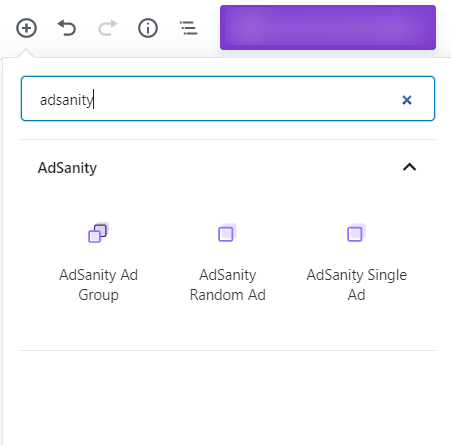
The best way to attract direct advertisers with Adsanity or a similar tool is to have a visible “promotion” page that lists your audience profile, traffic numbers, and available placements.
For more information, see my Adsanity review.
👉 Create an Advertise With Us page. Install AdSanity to manage your inventory. Reach out to brands that already advertise on competitor websites in your niche.
5. Create and monetize an email newsletter
Best for: Bloggers in any niche who want recurring, platform-independent income
Income potential: $500-$5,000+/month (newsletter sponsorship averages $20-50 per 1,000 subscribers)
Required traffic: Low-Medium (500+ email subscribers is enough to start monetizing)
Your email list is the only audience you actually own.
Even consistent organic social media followers disappear when algorithms change. While SEO traffic drops when Google updates. Email subscribers? These are yours.
That’s why in 2026, the bloggers who make the most reliable income are the ones who take email list building as seriously as they do content creation.
The good news is that you can use both organic traffic and social media to grow your newsletter. So don’t neglect them.
The monetization aspect is often not sufficiently explained.
Most people know, “Build an email list.” Far fewer know that a newsletter with 2,000 engaged subscribers can generate $500-$1,000 per month in sponsorship revenue alone.
At a CPM of $25, one sponsor slot generates $50/week per weekly issue. Add affiliate links in emails and the number continues to increase.
OptinMonster is the easiest way to grow your email list on WordPress. It creates popups, slide-ins, and inline opt-in forms that are triggered based on reader behavior such as exit intent, scroll depth, and time on page.
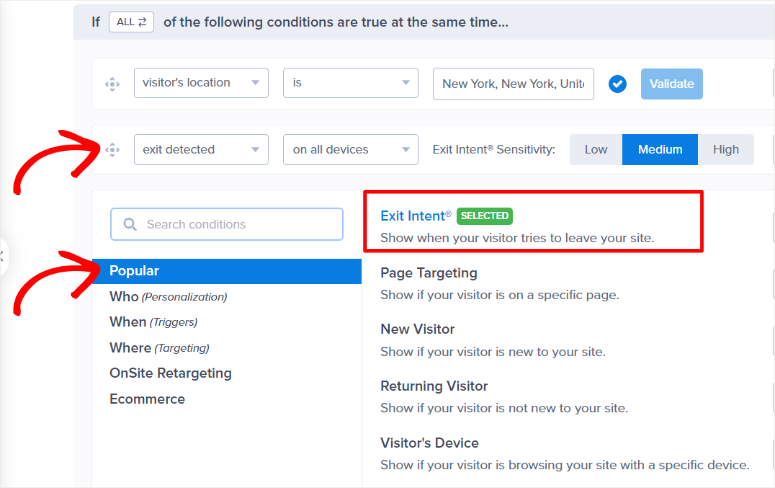
The difference between a static opt-in box and a behavior-driven opt-in box is typically a three to five times improvement in conversion rate. Check out the best lead generation plugins for WordPress to compare your options.
For more information, see my OptinMonster review.
I also like to use it Beacon.by for lead magnet creation. It can turn any blog post into a checklist, eBook, or other lead magnet with one click.

For more information, see my Beacon.by review.
👉 Install OptinMonster. Create a lead magnet like a free checklist or quick guide to give readers a reason to subscribe. Start monetizing with a sponsor slot once you reach 500 subscribers.
6. Start a paid newsletter subscription
Best for: Bloggers with a loyal, niche-specific audience who consistently produce valuable content
Income potential: $500-$10,000+/month (500 subscribers at $10/month = $5,000/month)
Required traffic: Low (loyalty is more important than volume)
A free newsletter builds an audience. A paid newsletter builds a business.
The model is simple: Readers pay a monthly subscription ($5-15 is standard) to access premium content.
This could be a weekly deep dive, an exclusive analysis, a resource library, or anything your free readers would like access to.
The math is convincing.
If 2% of your 1,000 email subscribers switch to a paid plan of $10/month, that’s $200/month. At 5,000 subscribers and the same 2% conversion, you have a fully passive recurring income of $1,000 per month.
And unlike advertising revenue, it doesn’t disappear when traffic drops.
MemberPress manages the entire paid newsletter infrastructure on WordPress, from subscriber payments to content access gating to member management. All of this happens without the need for third-party platforms.
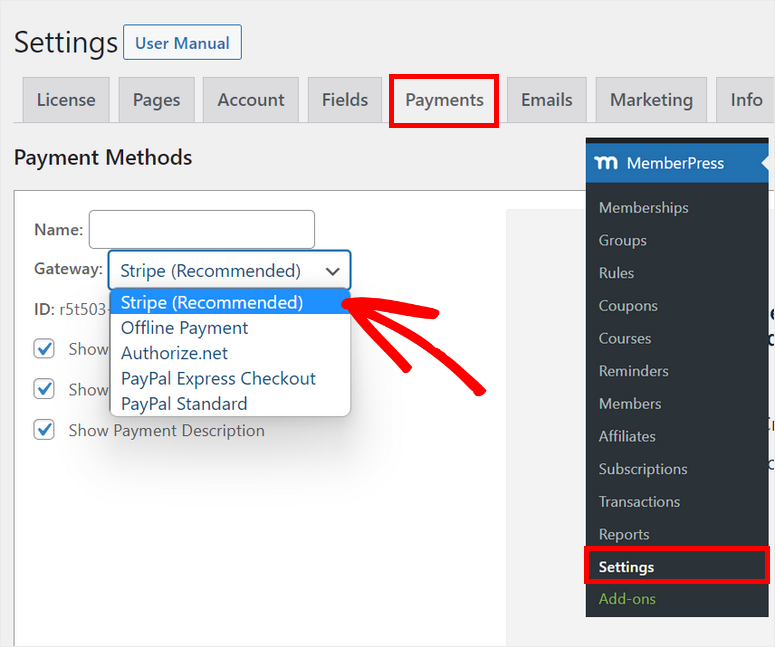
For more information, see my MemberPress review. Plus, you can compare it to alternatives in this roundup of the best WordPress membership plugins.
👉 Identify your highest value content type, the content your readers would actually pay for. Set up MemberPress with a starter paid plan for $5-7/month and sign it up to your free list first.
7. Brand Ambassador
Best for: Blogger with established niche expertise and consistent audience engagement
Income potential: $500-$5,000+/month per partnership
Required traffic: Medium (10,000-50,000 monthly visitors in a defined niche)
A sponsored post is a transaction. A brand ambassadorship is a relationship. With an ambassadorship, a brand pays you a monthly fee to act as a constant advocate.
This approach allows you to mention them in posts, mention them in your newsletter, and continually promote their product over time.
Payment is recurring. And for medium-sized bloggers, this is often more lucrative than chasing individual sponsored posts.
Brands prefer ambassadorships because they receive consistent, authentic visibility rather than just a single mention. You benefit because it is a predictable monthly income.
The best way to land: Make sure you already use the product and recommend it publicly.
Many bloggers turn organic affiliate relationships into ambassador deals by targeting the brand with data.
“I recommended 47 sales to you through affiliate links this quarter. I would like to discuss a more formal partnership.” This is a very different conversation than a cold pitch.
👉 Identify 2-3 brands that you already regularly recommend. Retrieve your affiliate referral data. Offer a 3-month ambassador arrangement with a flat monthly rate.
These methods go beyond individual pieces of content. You create a space where your audience belongs.
| Proceedings | Income potential | Traffic required | Passive? |
|---|---|---|---|
| 8. Members Only Content | $200-$3,000+/month | Low-Medium | ✅ Yes |
| 9. Sell online courses | $500-$20,000+/month | Low-Medium | ✅ Most of the time |
| 10. Paid Webinars | $500-$5,000/event | medium | ✅ Recordings |
| 11. Virtual Summit | $5,000-$50,000+/event | medium | ❌ No |
| 12. Private Forum/Community | $300-$5,000+/month | medium | ✅ Most of the time |
8. Create members-only content
Best for: Bloggers with loyal readers who want more depth, resources or exclusive access
Income potential: $200-$3,000+/month (50 members at $10/month = $500, instant recurring income)
Required traffic: Low-Medium (You need trust, not just traffic)
The quickest way to create a recurring revenue stream is to put some of your best content behind a paywall.
You don’t have to create anything new to get started.
Take your top 10 blog posts, turn them into downloadable PDF guides, template packs, or video walkthroughs, and offer them as a members-only library. Charge $10-20/month.
This is instant recurring revenue from content you have already produced. Remember Beacon.by I talked about earlier? This is the perfect place to use it.
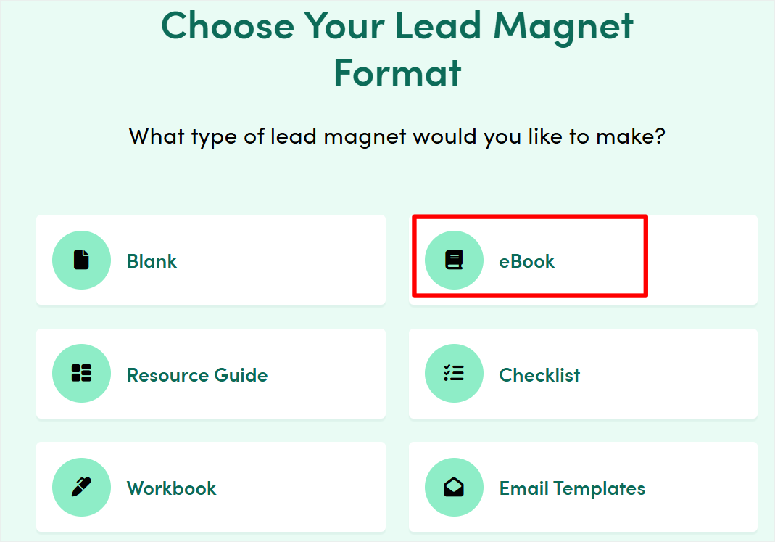
MemberPress is the cleanest way to set this up in WordPress. You create membership tiers and determine what content each tier can access.
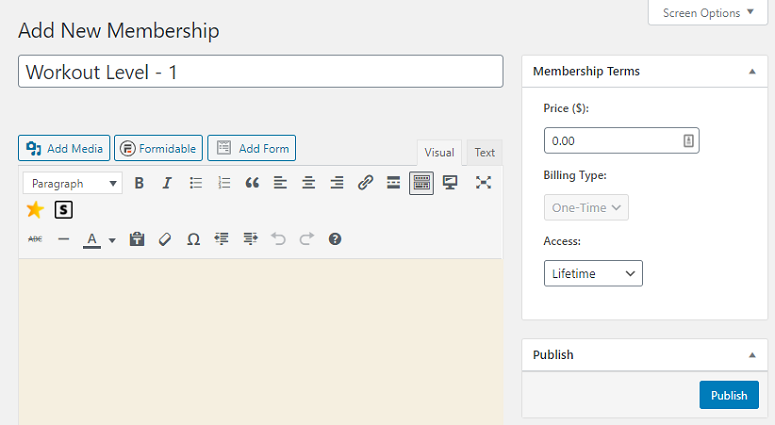
Additionally, MemberPress handles payments, renewals and access control automatically. Setup takes a few hours, not weeks.
Here you will find instructions on how to create a membership site. And plugins to help you create a membership site.
If you want to add videos to your membership, this guide to creating a video membership site will walk you through the complete setup.
👉 Use MemberPress to create a “Pro Access” membership tier. Start with 5-10 exclusive resources. Launch it with your existing readers first. People who already follow you are most likely to pay.
9. Sell online courses
Best for: Bloggers who have developed real expertise in a specific, teachable skill
Income potential: $500-$20,000+/month (course prices are $97-$997, 5-20 sales/month is realistic)
Required traffic: Low-Medium (a small engaged audience converts better than large passive traffic)
A blog strengthens your authority. A course is the way you redeem it.
Online courses consistently have the highest income cap of any blogging monetization method. That’s because you’re selling the outcome, not just the information.
A reader scrolls past a post on “How to Grow Your Instagram Followers.” The same reader pays $197 for a course that promises them 1,000 new followers in 30 days. Specificity converted.
The key to a course that sells: It solves a specific problem for a specific person. Not “all about marketing”. One thing, one result.
Check out this list of the best course creators for WordPress. Here’s a guide to help you create the perfect course for your niche.
LearnDash has a built-in LMS (Learning Management System) that works directly within WordPress. You drag and drop lessons, set prerequisites, track student progress, and distribute content over time.
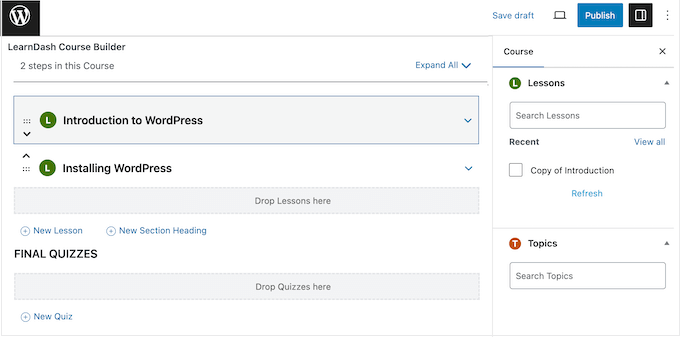
Compare it to the alternatives in this guide to the best WordPress LMS plugins to find the right solution for your course structure.
Need more side-by-side comparisons? Checkout:
👉Write down the #1 question your readers ask you most often. Create a 4-week course that fully answers the question. The price ranges from $97 to $197 and you can add it to your email list first.
10. Host paid webinars
Best for: Bloggers who communicate well and want high-income, low-effort events
Income potential: $500-$5,000 per event ($47-$197 per attendee × 30-100 registrants)
Required traffic: Medium (requires an email list to reliably fill spots)
A paid webinar is a live online session that your audience pays to attend and is one of the highest hourly earning activities a blogger can undertake.
Consider the math: A $97 webinar with 50 participants costs $4,850 for 90 minutes of your time. They play it live, record it, and then sell the recording for $47 for months. Same content, ongoing passive income.
Webinars work best when they solve an urgent, specific problem. “How to Write a Viral Blog Post in 2026” beats “Blogging Tips” every time. The more specific and timely, the higher the registration rate.
You need a landing page. SeedProd does this via drag and drop onto WordPress. Plus, you get plenty of webinar templates to get you started, rather than a blank canvas.
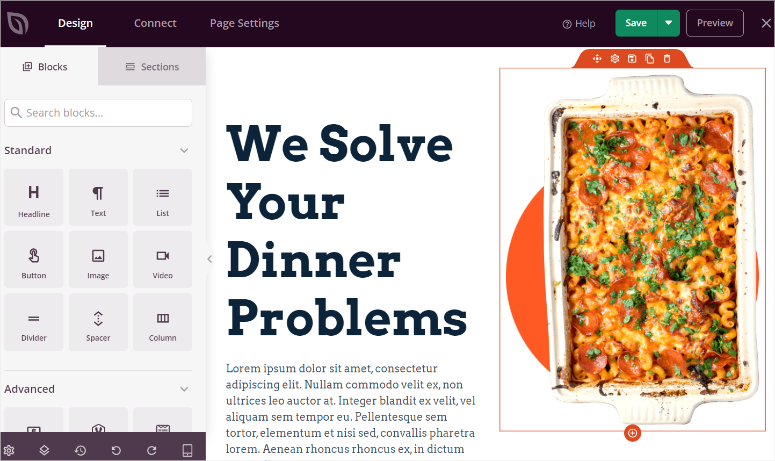
Check out my SeedProd review to learn how to create a webinar landing page.
After that, you will need a webinar platform like Zoom. In this guide you will learn how to integrate Zoom webinars into WordPress.
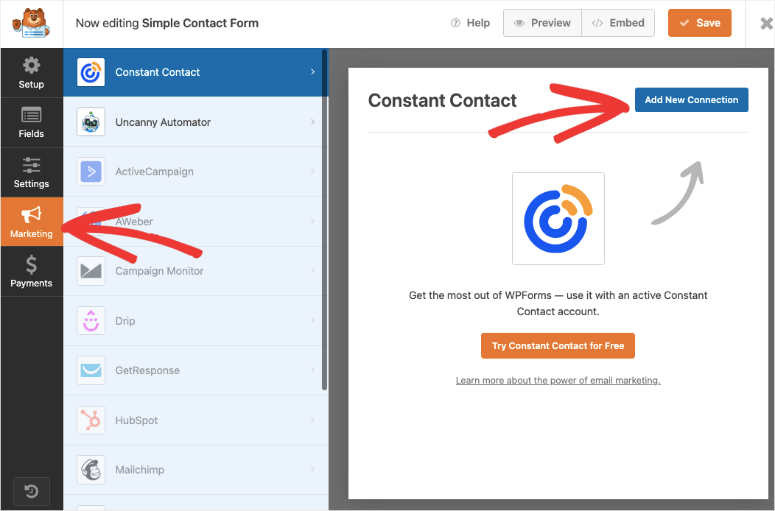
Finally use it WPFormsthe best drag and drop form builder to collect registrations using a form on your website.
You can connect to your favorite email marketing tool like Constant Contact, ActiveCampaign, AWeber, etc. Then send emails to promote and remind your audience about the upcoming event.
If you need a more in-depth guide on building the sales page, this guide on how to create a sales page in WordPress is worth reading before you get started.
👉 Select your most frequently asked question. Design a 60-90 minute live training around this topic. Charge $47 to $97 per seat. Perform it live and then sell the recording for half the live price.
11. Host a virtual summit
Best for: Bloggers looking to grow their list and income at the same time as an event
Income potential: $5,000-$50,000+ per summit (All Access Pass model)
Required traffic: Medium (the audience of your guest speakers does the main work)
A virtual summit is one of the most underused income strategies in blogging and one of the few that can make you more than $10,000 in a single week.
Here is the model: You interview 15-30 experts in your niche over 3-5 days. Participation is free for 24-48 hours per session. To see everything on demand, participants purchase an all-access pass for $97-$197.
Each speaker promotes the summit to their own audience, earning you thousands of new email subscribers in the process.
The income statement: 500 All Access Pass buyers for $97 = $48,500.
Realistic for a well-organized summit in a strong niche. And every speaker sends you his audience; You keep these subscribers long after the event ends.
It requires more work upfront than any other method on this list. However, the revenue and list growth makes it worth starting at least once a year.
Seed Prod takes care of your summit landing pages and WPForms manages speaker registrations and participant registrations.
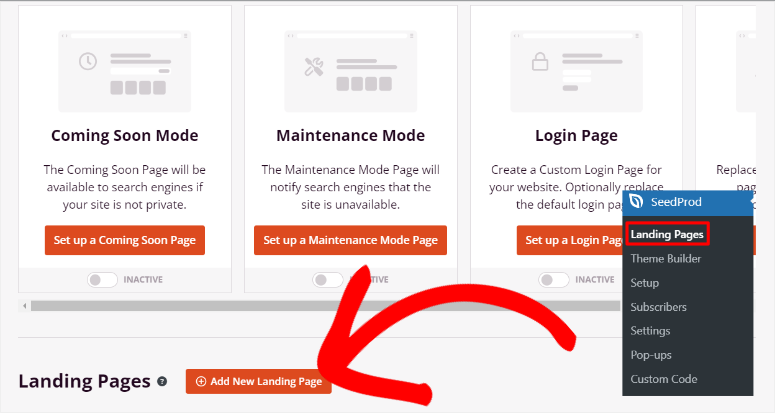
👉 Outline a three-day summit in your niche. Identify 10-15 potential speakers. Build your summit page with SeedProd and collect speaker interest via WPForms.
Best for: Bloggers built on a shared identity or a strong ongoing need for community
Income potential: $300-$5,000+/month (monthly membership model)
Required traffic: Medium (loyal readers beat a large audience here)
People don’t just want information. They want belonging.
A paid community gives your readers a place to connect with each other, get your opinions, and access exclusive resources. And most importantly: all for a monthly fee.
The main difference to a course: A course has a finish line. A community has lasting value. Recurring income is the result.
BuddyBoss is the standard WordPress platform for this.
It creates a comprehensive social networking experience, including member profiles, activity feeds, private groups and direct messages, all within your existing WordPress site.
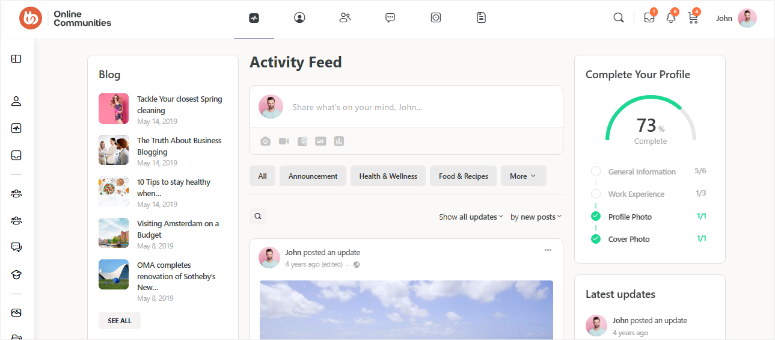
Read the BuddyBoss review to see how it compares to alternatives. Pair it with MemberPress for payment processing and access control.
👉 Build your community around a core outcome that your readers want. Use BuddyBoss for the platform and MemberPress for membership payments. Start with a Founding Member plan ($19-29/month) and limit early access to 100 spots.
Sell digital products
I like this approach because there is no inventory, no shipping, and no customer service calls. Digital products are the highest margin product a blogger can sell.
| Proceedings | Income potential | Traffic required | Passive? |
|---|---|---|---|
| 13. E-books | $300-$3,000+/month | Low-Medium | ✅ Yes |
| 14. Digital templates | $300-$5,000+/month | Low-Medium | ✅ Yes |
| 15. AI prompt packages | $200-$3,000+/month | Low | ✅ Yes |
| 16. Full Digital Store (EDD) | $1,000-$10,000+/month | medium | ✅ Yes |
| 17. WordPress plugins | $500-$20,000+/month | Low | ✅ Most of the time |
| 18. Themes and Graphics | $500-$10,000+/month | Low-Medium | ✅ Most of the time |
13. Sell eBooks on your WordPress site
Best for: Bloggers who write well and have in-depth knowledge on a particular topic
Income potential: $300-$3,000+/month (passive after initial creation)
Required traffic: Low-Medium
The eBook is the original blogging product and it still works.
The key in 2026 is not to write a 200-page comprehensive guide. It is a focused 30-50 page resource that completely solves a specific problem.
For example, you can create a downloadable eBook on “The 5 Plugins Every Food Blogger Needs” for $9. “How to Get Your First 1,000 Email Subscribers” for $17. Specific. Practical and affordable.
Check out the best eBook plugins here.
Easy digital downloads does it all directly on your WordPress site. The buyer pays, gets instant download access, and you never have to use the transaction again.
The interface is similar to WordPress sites, which makes it very easy to use.
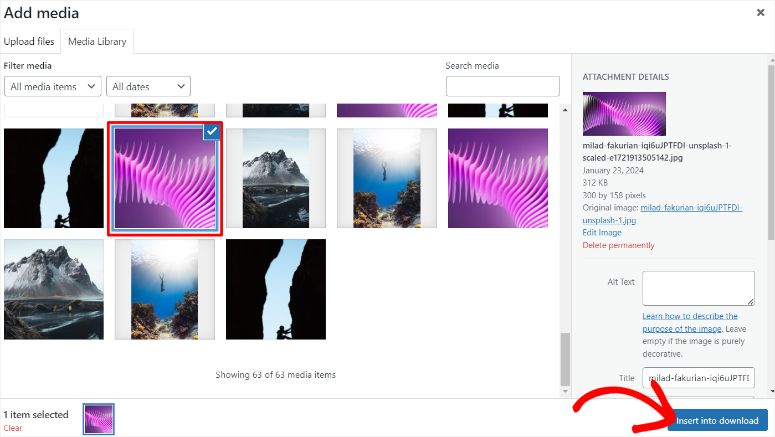
For more information, see my Easy Digital Downloads review.
For wider distribution you can also publish on Kindle Direct Publishing (KDP). Amazon’s self-publishing platform pays 35-70% royalties. Even 5 sales per day at $17 is $2,550/month on a single eBook.
Check out the best digital download plugins for WordPress. Then check out How to Sell Digital Products Online with WordPress for the complete setup guide.
👉 Identify the topic of your most popular blog post. Expand it into a 30-50 page guide. Install Easy Digital Downloads and it costs between $9 and $27.
14. Sell digital templates and downloads
Best for: Bloggers in the productivity, design, business or lifestyle niches
Income potential: $300-$5,000+/month (templates are sold repeatedly without incurring fulfillment costs)
Required traffic: Low-Medium
Digital templates are perhaps the most overlooked source of income for bloggers right now.
Think Notion templates, Canva social media kits, Excel budget trackers, and Google Sheets editorial calendars.
These regularly sell because they save time. And time is the only thing people will reliably pay for.
The best thing about it: If you’ve been blogging for a year, you’ve already developed tools for yourself. That Instagram content scheduling spreadsheet you created? This short blog post template? These are salable products.
And unlike courses, you build them once and sell them indefinitely.
Easy digital downloads handles the delivery automatically. You upload the file, set the price, and the plugin manages payments, file delivery, and licensing.
The best part is that you can give your users the opportunity to choose the most convenient payment options, so you don’t exclude anyone. You can choose between Apple Pay, Cash App, Credit Card, Google Pay, etc.
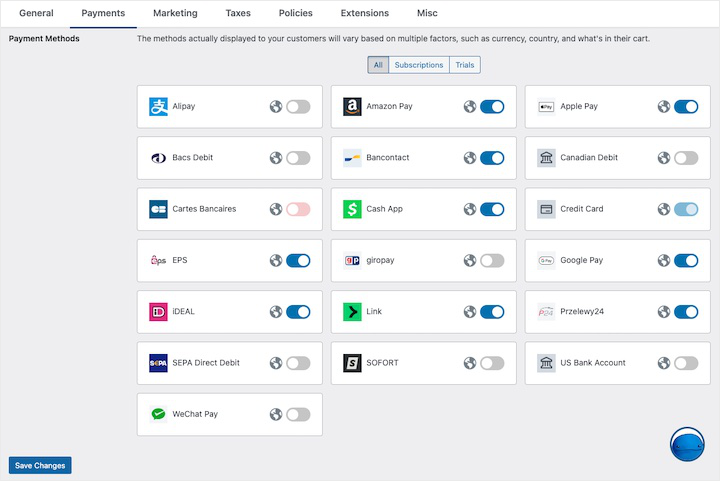
When deciding where to sell, this guide to the best digital product platforms compares all the options.
👉 List three tools or templates that you have created for your own workflow. Package one as a download. The price ranges from $7 to $37 and you can publish it on your website today.
15. Sell AI prompt packages and digital tools
Best for: Bloggers in marketing, content creation, business or productivity niches
Income potential: $200-$3,000+/month (high perceived value, no fulfillment costs)
Required traffic: Low
This is specific to the year 2026 and is growing quickly.
AI Prompt Packs are curated collections of prompts for ChatGPT, Claude, or other AI tools organized around a specific use case.
Some of the best ones I’ve seen include “50 Prompts for Writing Product Descriptions with AI,” “30 Prompts for a Week of Social Media Content with AI,” and “The Blogging Workflow Prompt Library.”
Bloggers who have developed expertise in AI package this knowledge into products.
The income potential is real. Prompt packages, priced between $17 and $47, require no additional work once created. At 5 sales per day for a $27 pack, that’s $4,000/month for a single file you wrote in an afternoon.
Again, Easy digital downloads is my contact point. Delivery is the same as any other digital file.
👉 What AI workflow have you optimized in your own blogging? Create a 20-30 prompt package around it. Sell it as a digital download for $17-$37.
16. Create a complete digital store with easy digital downloads
Best for: Bloggers who want to sell multiple digital products or software
Income potential: Scales with your catalog – $1,000-$10,000+/month for multiple products
Required traffic: medium
Once you have more than one or two digital products, it’s worth building a proper digital storefront.
Easy Digital Downloads turns your WordPress site into a fully digital marketplace. Sell any file type including eBooks, templates, prompt packs, software, photography, music and fonts.
Each product gets its own page, pricing tiers, licensing options and download delivery. Customers create accounts and manage their purchases themselves.
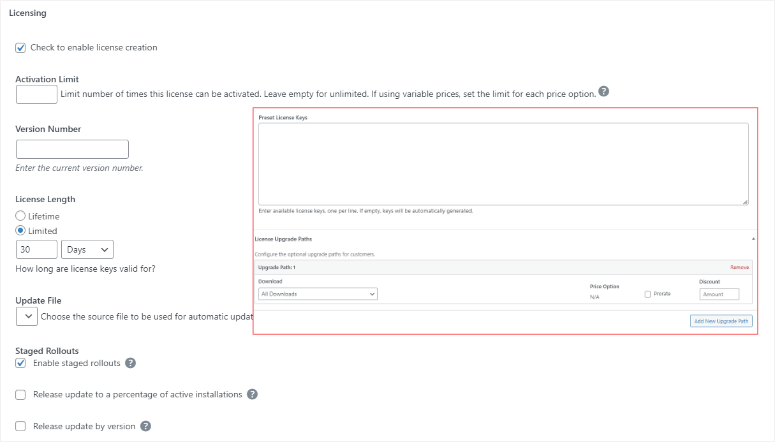
The platform shines when you build a catalog over time. A product that makes $300/month is decent. Five products that each make $300 a month, all running on the same WordPress site? This is a real deal.
And if you want others to promote your products for a commission, pair with EDD PartnerWP to run your own affiliate program in WordPress.
To make this easier, you can create an affiliate registration form. Then let AffiliateWP send your affiliates’ payments automatically.
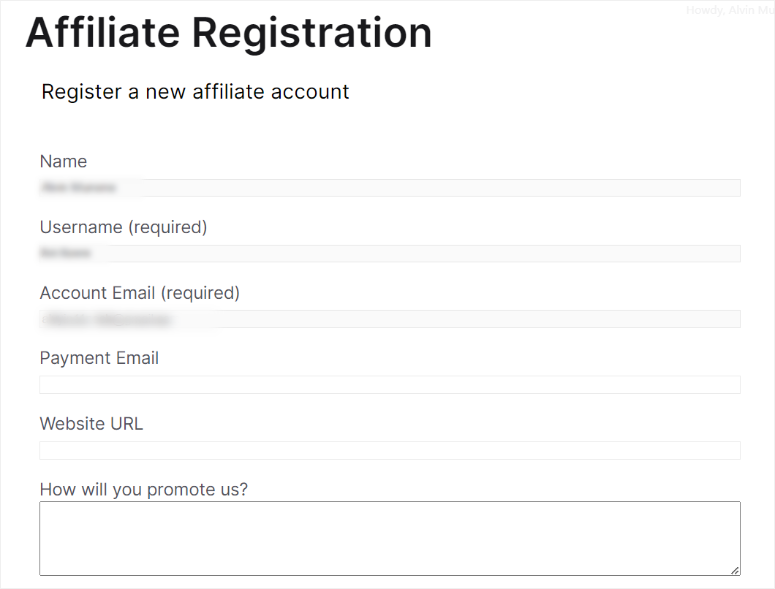
For more information, check out my AffiliateWP review.
Here are step-by-step instructions for creating your own affiliate program. Then check out the guide to the best WordPress eCommerce plugins to understand all your storefront options.
👉 Install Easy Digital Downloads. List your first two products and set up Stripe or PayPal. They are open for business from day one.
17. Sell WordPress plugins
Best for: Bloggers with WordPress development knowledge or a budget to hire a developer
Income potential: $500-$20,000+/month (scales based on user base)
Required traffic: Low (plugin marketplaces drive their own discovery traffic)
If you’ve ever thought, “I wish WordPress had a plugin that could do X,” then you’re dealing with a product idea.
The two main paths: sell through CodeCanyon (Envatos Marketplace), where you share approximately 30% of sales but gain access to a large audience of buyers; Or sell directly from your own website and keep 100%.
Most successful plugin developers do both. CodeCanyon for discovery, dedicated website for renewals.
A freemium model works particularly well. Publish a free version on WordPress.org, build a user base, and then convert users to paid plans with premium features. This is how most of the plugins in this article work.
If you’re looking for ideas, here’s my personal list of the best WordPress plugins.
👉 Search WordPress.org for plugins in your niche and read the feature request threads. If users constantly ask for something that doesn’t exist yet, then that’s your product.
18. Sell WordPress themes and graphics
Best for: Designers and developers who blog about design or WordPress
Income potential: $500-$10,000+/month
Required traffic: Low-Medium (market traffic helps significantly)
WordPress themes and graphic assets like stock photos, icon sets, font packs, and UI kits are a natural extension for design-focused bloggers.
You can sell themes through ThemeForest, which offers high volume but lower margins. Or directly from your own website, which means less volume but better margins.
The most successful theme authors do both. For design assets, Creative Market and your own Easy Digital Downloads store are the cleanest channels.
The advantage for bloggers: Your content already proves your design skills. Readers who trust your tutorials are your most likely buyers.
If you’re looking for ideas, here’s a list of the most popular topics right now.
👉 Identify a theme type or design asset that is underserved in your niche. Create it, list it on your website, and link it to your most relevant posts.
Start an online store
If your blog has a loyal niche audience and a recognizable brand, an online store is a natural next step.
| Proceedings | Income potential | Traffic required | Passive? |
|---|---|---|---|
| 19. E-commerce (WooCommerce) | $500-$50,000+/month | High | ✅ Most of the time |
| 20. Subscription Shopping | $1,000-$10,000+/month | medium | ✅ Yes |
| 21. Print on Demand | $200-$3,000+/month | medium | ✅ Yes |
| 22. Amazon Affiliate Store | $200-$5,000+/month | Medium high | ✅ Yes |
19. Start an eCommerce business with WooCommerce
Best for: Bloggers with a strong brand identity and an audience with common purchasing habits
Income potential: Highly variable: $500-$50,000+/month
Required traffic: High (ecommerce needs consistent traffic to convert at scale)
WooCommerce turns your WordPress blog into a complete online store and is free to install.
The key to making this work as a blogger: Sell products that directly relate to what you’re writing about.
A food blogger who sells branded spice mixes. A hiking blogger who sells custom gear packages. A parenting blogger who sells a productivity planner. The blog creates trust; The business converts it into revenue.
WooCommerce takes care of everything from inventory to checkout to shipping. Extensions add subscriptions, product bundles, bookings, and more.
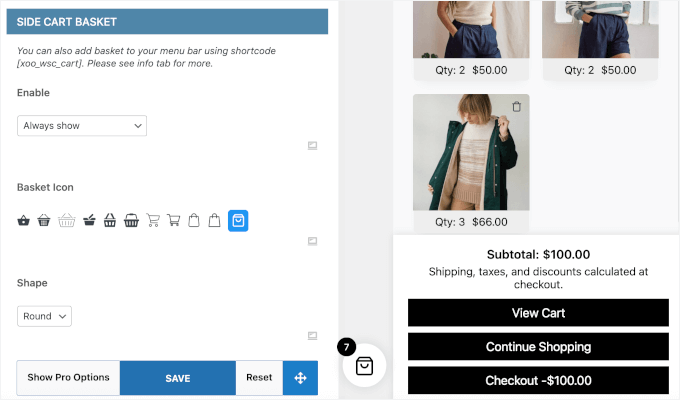
You can start with 5 products and scale over time without having to change platforms. Follow the step-by-step guide to creating a profitable online store to get your first WooCommerce store live.
For more information, see my WooCommerce review.
👉 Above all, make sure you have good WooCommerce hosting. Identify 3-5 products your audience asks about most. Obtain or create them. Install WooCommerce and set up your store as an extension of your existing blog.
20. Subscription-based shopping
Best for: Bloggers whose target audience has recurring purchasing needs
Income potential: $1,000-$10,000+/month (recurring revenue increases each month)
Required traffic: Medium (retention is more important than constant new traffic)
Subscription trading is one of the most stable income models available to bloggers with a product audience.
Instead of selling products once, sell ongoing subscriptions. A monthly box, a refill pack and access to exclusive products.
Income is predictable. The customer lifetime value is significantly higher than for one-time buyers.
WooCommerce plugins and extensions take care of everything: recurring billing, failed payment retries, subscriber management, and cancellation processes.
What works best: Subscriptions around consumables (coffee, supplements, craft supplies) or curated discovery boxes in your niche.
Learn how to accept recurring payments in WordPress if you’re setting it up for the first time.
👉 Ask your audience with a WPForms survey: “Would you pay $X/month for (a specific recurring product)?” If more than 20% say “yes,” your product is aligned with the market.
21. Print on Demand Products
Best for: Bloggers with a strong brand, catchphrase, or recognizable visual identity
Income potential: $200-$3,000+/month (passive after setup, 20-30% margin per item)
Required traffic: medium
Print-on-demand allows you to sell physical goods like t-shirts, mugs, notebooks, and phone cases without holding inventory.
This is how it works: A customer orders on your website, the print-on-demand provider prints it and ships it directly to them.
You never touch the product. You earn the margin between production costs and your retail price.
This works best for blogs with a loyal community and a recognizable brand voice.
A phrase that runs through your blog, a visual element that readers identify with, a running gag – these become goods that people actually want to own.
Both Powerful And Press Integrate cleanly into WooCommerce. You design products in their dashboard, push them into your store, and they handle all the production and fulfillment automatically.
👉 Identify 2-3 products that fit your blog’s identity. Connect Printful or Printify to your WooCommerce store. Start with a mug and a t-shirt and see what takes off.
22. Build an Amazon affiliate store
Best for: Bloggers in product-heavy niches (technology, home, outdoor, baby equipment, beauty)
Income potential: $200-$5,000+/month (commissions range from 1% to 10% per product category)
Required traffic: Medium high
An Amazon affiliate store is a store with curated products where each link earns a commission.
You create product pages on topics your readers care about, like “Best Cameras for Travel Bloggers,” “The Gear I Use on Long Hikes,” and link everything to Amazon.
You will receive a commission for every qualifying purchase made through your link. Prices on Amazon range from 1% (electronics) to 10% (luxury beauty), with most categories at 3-5%.
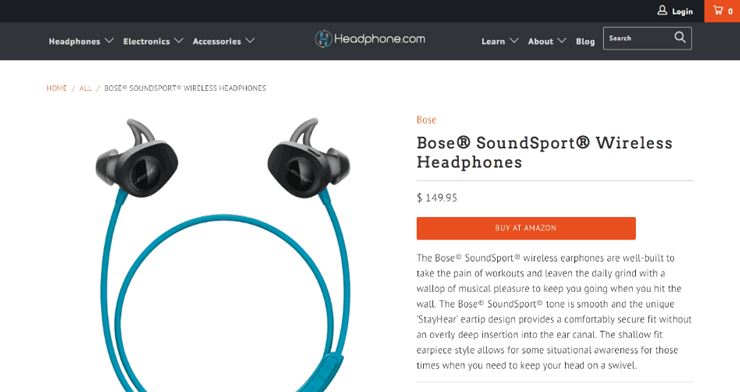
The advantage: Amazon conversion rates are high because customers already trust the checkout process.
The disadvantage: The cookie window is only 24 hours and the commissions are lower than most direct affiliate programs. Use it as an additional source of income, not your primary affiliate channel.
The best Amazon affiliate plugins like AAWP ensure your product listings are automatically updated with live Amazon prices. To get set up, follow this step-by-step guide to building an Amazon affiliate store in WordPress.
👉 Join the Amazon Associates program. Create a “Resources” or “Shop” page with your top 10 recommended products.
Sell your services and expertise
Your blog creates trust and authority every day. Using services, you can convert that authority into big revenue – often without requiring a lot of traffic.
| Proceedings | Income potential | Traffic required | Passive? |
|---|---|---|---|
| 23. Advice | $1,000-$20,000+/month | Low | ❌ No |
| 24. Professional Services | $500-$8,000+/month | Low | ❌ No |
| 25. Online coaching | $1,000-$10,000+/month | Low | ❌ No |
| 26. YouTube channel | $200-$10,000+/month | Low to start | ✅ Most of the time |
| 27. Podcast sponsorship | $200-$5,000+/month | medium | ❌ No |
23. Start a consulting business
Best for: Bloggers who have developed real expertise in a commercially valuable skill
Income potential: $1,000-$20,000+/month ($75-$500/hour, project-based)
Required traffic: Low (Your blog is your portfolio – 500 monthly readers can generate leads)
With advice, income from blogging can quickly become large.
An advisor provides strategic advice. Unlike freelancing where you do the work, consulting involves diagnosing the problem, recommending the solution and implementing it from the client.
The prices reflect this difference. A blogger with two years of SEO content experience who charges $150 per hour for consulting makes more per hour than most agencies.
The blog is your proof of work.
A post that ranks #1 for a competitive keyword is a better pitch deck than any resume. Customers find you through your content and are already convinced of your expertise before they contact you.
WPForms manages consultation request forms on your WordPress site. You can create a multi-step form that qualifies leads before they reach your inbox and filters out anyone who doesn’t fit your rates.
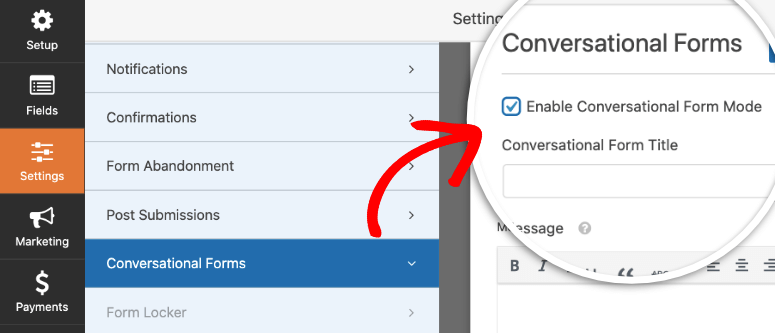
Start by adding one to a high-converting contact form setup on your website.
👉 Create a Work With Me page. List the specific problems you are solving. Add a WPForms multi-step inquiry form that qualifies leads before spending time on discovery calls.
24. Offer freelance services
Best for: Blogger with marketable skills (writing, design, SEO, social media, development)
Income potential: $500-$8,000+/month
Required traffic: Low (your blog and freelance platforms are independent lead sources)
Freelancing is the fastest way to make meaningful money with a blog, even before you have any significant traffic.
The model: Your blog showcases your expertise, you offer that expertise as a service.
A copywriter blogs about email marketing and offers writing email sequences. A developer blogs about WordPress performance and offers site speed reviews.
The blog is the portfolio. On the service page, visitors become customers.
Beyond your own website, Upwork and Fiverr are other channels you can feed from your blog.
By embedding your Upwork profile into your service page, you increase third-party credibility. Customer reviews are visible and it shortens the trust building process for new visitors who find you through Google.
Check out these WordPress themes for freelancers to make your services page look the part.
Seed Prod helps you create a high-converting service landing page without touching the code.
👉 Create your own service page with SeedProd. List a core service with a clear scope, timeline and starting price. Add a WPForms contact form for inquiries.
25. Online coaching
Best for: Bloggers who have achieved a result desired by others and can guide people 1:1
Income potential: $1,000-$10,000+/month ($200-$1,000 per customer per month)
Required traffic: Low (5-10 active customers is enough for $2,000-$5,000/month)
Coaching is the most income-efficient service a blogger can offer and is often confused with consulting.
- Advice: You tell the customer what to do.
- Coaching: You help them figure it out and hold them accountable.
Sessions are regular, ongoing (usually 3-6 months long) and very intensive. The prices are correspondingly higher.
The math is simple. Five customers for $500/month = $2,500 recurring. Ten customers for $500/month = $5,000.
You don’t need a large audience to fill a coaching roster. You need clarity about who you help, what outcome you deliver, and a simple application process to filter out the right customers.
WP Simple Pay processes recurring coaching payments via Stripe directly on your WordPress site. This allows you to pay via credit card, Cash App, Alipay and more.
So no third-party billing platforms are required.
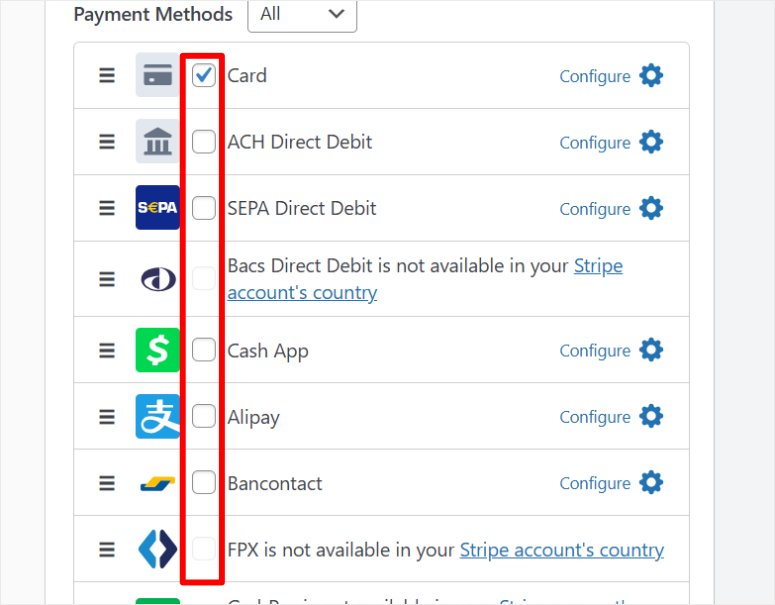
WPForms manages the application form that screens potential customers before spending time on calls. You can even build your form using AI.
If you want to learn how to set up the payment page, check out this step-by-step guide on accepting Stripe payments in WordPress.
👉 Define a coaching offer: “I help (specific person) achieve (specific result) in (time frame).” Set up a WPForms application form and WP Simple Pay for payment. Accept your first 3 customers at a discounted start-up price.
26. Start a YouTube channel alongside your blog
Best for: Bloggers who are comfortable in front of the camera and want to diversify traffic sources and income
Income potential: $200-$10,000+/month (ad revenue + affiliate links in video descriptions)
Required traffic: Low to start (1,000 subscribers + 4,000 watch hours for monetization)
YouTube and blogging are a natural pair, and most bloggers who start a channel regret not doing it sooner.
The synergy works like this: A blog post that took 4 hours to write becomes a 10-minute YouTube video in another 2 hours. The video drives traffic back to the blog. Blog SEO increases traffic to the video.
Both grow faster together than either alone.
To reinforce this, you can use Smash Balloon to create a YouTube feed on your blog. So if you create a YouTube video, it will also appear on your blog.
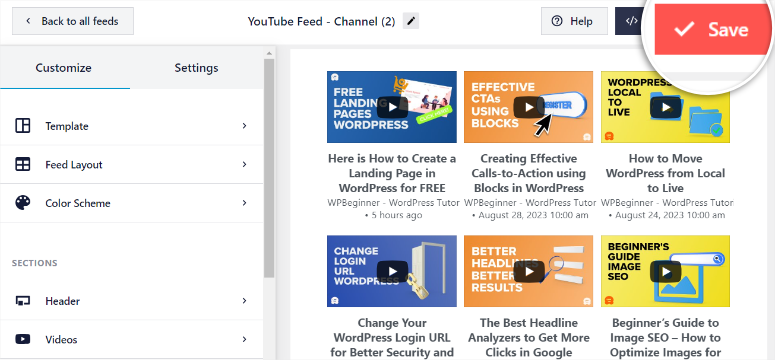
Users can click on it and watch the full video without leaving your blog. Check out my Smash Balloon review to learn how you can also add feeds from Instagram, TikTok, Facebook, X, and more.
Remember that YouTube monetization requires 1,000 subscribers and 4,000 hours of watch time.
Once you join the affiliate program, RPMs cost between $2 and $15 depending on your niche.
The actual income usually comes from affiliate links in video descriptions. Here you earn the same commissions as on blog posts, applied to a second audience.
👉 Turn your 5 highest traffic blog posts into YouTube videos. Add affiliate links to your video descriptions. Focus on topics with search intent (“How to Do X”) to drive long-term views without constant advertising.
Best for: Bloggers who communicate well verbally and build a topic-specific audience
Income potential: $200-$5,000/month ($18-$50 CPM for host read ads)
Required traffic: Medium (1,000+ downloads per episode is the standard threshold for sponsors)
Podcast sponsorship is one of the most underrated sources of income for bloggers who already have an audience.
Podcast listeners are very engaged. You subscribe, listen to full episodes, and respond to recommendations from the host.
CPM rates for host read ads range from $18 to $50 per 1,000 downloads, higher than most display networks. And unlike blog advertising revenue, podcast sponsorships are often flat-rate deals that aren’t based on impressions.
No expensive equipment is required to start a podcast.
A decent USB microphone ($80-150), free recording software like Audacity, and a hosting platform like Buzzsprout are enough.
Create a dedicated landing page for your podcast with SeedProd. Check out this guide to creating a podcast landing page that will show you exactly how.
Sponsors usually come via podcast advertising networks (Midroll, AdvertiseCast) or by contacting brands directly that you already recommend as a partner.
👉 Start with 5 pre-recorded episodes before release. Once you’ve reached over 500 downloads per episode, reach out to your existing affiliate partners to find a sponsorship spot.
Other proven earning opportunities
| Proceedings | Income potential | Traffic required | Passive? |
|---|---|---|---|
| 28. Flip websites | $5,000-$100,000+/litter | Medium high | ❌ No |
| 29. Accept donations | $100-$1,000+/month | medium | ✅ Most of the time |
| 30. Paid Product Reviews | $100-$2,000+/review | medium | ❌ No |
28. Make money flipping websites
Best for: Bloggers who are knowledgeable about SEO and website growth and want high flat rate payouts
Income potential: $5,000 to over $100,000 per flip (sites typically sell for 30-40x monthly revenue)
Required traffic: Medium-High (for the page that will be flipped)
Website flipping is internet real estate.
You build a niche site (or buy an underperforming site), increase its traffic and sales, and then sell it. A website that makes $500 per month will be featured on marketplaces such as: B. sold for $15,000 to $20,000 Flippa or Empire fins.
A website that makes $2,000 per month sells for $60,000 to $80,000. The multiplier is usually 30 to 40 times the monthly turnover.
For experienced bloggers, this is one of the highest-earning applications of the skills you already have: content strategy, SEO, monetization.
You don’t learn anything new. You apply existing knowledge to build an asset specifically designed to be sold.
👉 Search Flippa for underperforming niche sites in categories you understand well. Or start a focused niche blog with the express goal of selling it in 18-24 months.
29. Accept donations from your readers
Best for: Resource-based blogs, tool creators and community-oriented content
Income potential: $100-$1,000+/month (depending on audience loyalty and content value)
Required traffic: Medium (needs a loyal audience that appreciates your work)
Some audiences want to support the blogs they love. The right move is to make it easy for them.
Donations work best for blogs where the content is the product, such as: B. Open source documentation, community resources, niche knowledge bases and educational content.
If readers are getting significant value for free and you’ve built real goodwill, a portion of them will pay just to say thank you.
Non-profit is the cleanest WordPress plugin for this.
It creates donation forms, manages campaigns, and processes one-time or recurring donations without the high transaction fees that some donation platforms charge.

For more information, see my charity review. It is one of the best GoFundMe alternatives for WordPress.
Also browse the best recurring donation plugins for WordPress if you want to compare Charitable with alternatives.
The key is to keep demand low: “This blog is free and always will be. If it’s helped you, a small contribution will keep it going.”
👉 Install Charitable. Add an easy donation option to your sidebar or about page. Set a suggested amount ($5, $10, $25) and briefly explain what contributions will be supported.
30. Get paid to write product reviews
Best for: Bloggers with expertise in a specific product category and an engaged audience
Income potential: $100-$2,000+ per review
Required traffic: Medium (niche relevance counts for more than pure traffic volume)
Paid product reviews are different from sponsored posts, and the distinction is important in 2026.
With a paid review, a brand explicitly requests honest editorial coverage of its product. You pay a flat fee for coverage, not for a positive outcome.
Your editorial independence remains intact. They disclose the agreement and evaluate it honestly. Brands pay because they want visibility in front of your specific audience, not because they buy your opinion.
Pricing depends on your traffic, niche and engagement.
A WordPress-focused blogger with 15,000 monthly readers can charge $300-$800 per review. FTC disclosure is non-negotiable: clearly state at the top that this is a paid review.
The trust of your readers is worth more than any individual fee. Check out some of the best review topics to get you started.
👉 Create a Reviews & Media page that lists your niche, audience, and review rates. Brands actively search for bloggers in specific categories – make it easy for them to find and contact you.
Which method should you start with?
Thirty methods look overwhelming. This way you can narrow it down quickly.
If you’re brand new (less than 1,000 monthly visitors):
- Start with affiliate marketing. Write 5-10 posts targeting buyer intent keywords in your niche: “Best X for Y”, “X vs Y”, “X Review”. You don’t need traffic; You need the right traffic.
- A well-placed affiliate recommendation in a buyer intent post can earn over $100 before you reach 500 monthly visitors.
- Combine it with OptinMonster to start building your email list from day one. The list you build in month one is worth more than any traffic milestone you hit in month 12.
If you have a small, engaged audience (1,000-10,000 monthly visitors):
- Start with digital products or services. Your audience already trusts you, that’s the hard part.
- A $27 eBook or $150 consultation requires almost no traffic. Five eBook sales per week at $27 costs $540/month.
- Two consulting clients at $150/hour for 5 hours each cost $1,500/month. Both exceed display advertising revenue with 10x traffic.
If you have stable traffic (10,000-50,000 monthly visitors):
- Add sponsored posts and premium advertising networks on top of the revenue you already earn. Apply to Mediavine once you reach 50,000 sessions.
- Reach brands in your niche directly with a media kit. Start stacking income streams instead of replacing them.
If you have an established audience (50,000+ monthly visitors):
- Online courses, memberships and brand ambassadors currently have the highest income limit. Introducing a course to an existing email list can generate $5,000 to $20,000 in a single week.
- A 200 member membership at $20/month costs $4,000 recurring before publishing a single new post.
The principle: Adapt the method to your stage. The biggest blogging income mistake isn’t choosing the wrong method. It’s about choosing the right method for the wrong phase.
That’s it. This concludes my list of the 30 best ways to make money blogging in 2026. If something is unclear, check out the frequently asked questions below.
FAQs: How to Make Money Blogging in 2026
How long does it take to make money blogging?
Most bloggers make their first $100 within 3-6 months from affiliate marketing or a small digital product. Reaching $1,000 per month regularly requires 12 to 18 months of regular publishing. A full-time income ($3,000-$5,000/month) typically requires 2-4 years. The time frame shortens significantly if you focus on buyer intent content and start building your email list from the first post.
How much traffic do you need to make money blogging?
It all depends on the method. With affiliate marketing and digital products, you can make money with as little as 200-500 monthly visitors if your content targets buyers. Display advertising requires 10,000+ monthly sessions to generate meaningful revenue. Sponsored posts attract brands around 5,000-10,000 monthly visitors in a specific niche. Services, consulting, coaching and freelancing require almost no traffic. Just a clear offer and a contact form.
Is blogging still profitable in 2026?
Yes, but the approach has changed. Pure traffic and ads blogs face more competition and lower ad prices than they did five years ago. Bloggers who combine content authority with direct revenue streams (products, services, memberships) consistently outperform those who rely solely on ads. Most bloggers making $5,000 to $20,000 per month in 2026 have their income spread across three to five methods. When you track your conversions with WordPress analytics tools, you can see exactly which methods are working.
What type of blog makes the most money?
Finance, technology, health/wellness, and business/marketing blogs consistently generate the highest revenue because their audiences make high-value purchasing decisions. However, niche specificity is more important than category. A highly focused “Personal Finance for Teachers” blog will outperform a general “money tips” blog for the same level of traffic, every time.
Can you make money blogging without showing your face?
Yes. Most blogging income methods, such as affiliate marketing, display ads, digital products, and sponsored posts, do not require a personal brand. Many successful blogs operate under a brand name rather than a person’s name. Video, social media and a visible personal identity are not required. Exceptions are services and coaching. Clients typically want to know who they are hiring before they commit.
What’s the fastest way to make your first $100 with a blog?
Affiliate marketing that targets buyer intent keywords is the most reliable way to get your first income. Write a specific product comparison or review post optimized for a buyer keyword, add your affiliate link and you can earn your first commission within a few weeks. The second fastest method is to offer a freelance service directly from your blog. You don’t need any traffic, just a clear offer and a way to get in touch with you.
Final Verdict: Should I Try to Make Money from My WordPress Blog?
Absolutely. But start with a realistic expectation.
A blog is not a vending machine. You don’t add any content and you don’t get paid.
The bloggers who build real income are the ones who choose two or three methods that suit where they are, implement them consistently for 12 to 18 months, and resist switching strategies every time a new trend emerges.
The best starting point for most bloggers: affiliate marketing (low traffic, high return) + email list building with OptinMonster (builds future income potential every day) + a digital product once you understand your audience’s biggest unsolved problem.
You don’t need all 30 methods. You need the right 2 or 3, executed well. Choose one. Get started today.
Resource Hub: Make Money with WordPress
Everything you need to go deeper into the tools and strategies that increase WordPress income: