
Keyword research for AEO can be overwhelming because audiences search for almost anything in AI search and queries are nuanced and personalized.
The data is no longer as clear as it used to be. There are no exact search volumes for AEO searches. Still, it is crucial that search specialists like SEO and GEO/AEO experts know how to gain visibility using these tools.
The good news? There is an overlap between traditional keyword research and response engine optimization keyword research.
This guide covers the key differences between SEO and AEO keyword research, the principles underlying an effective AEO keyword strategy, the tools that support AEO workflows, and how these approaches can be applied in practice.
Table of contents
How is keyword research for AEO different from SEO?
Traditional keyword research supports organic visibility, but it’s no longer enough to grab a list of keywords and insert them into content.
Here’s why:
Searchers no longer enter one to five word keywords into Google. The search is complex, differentiated and personalized. A search can span multiple sentences – even a paragraph or three – with unprecedented levels of detail.
Ofcom’s qualitative generative AI search study supports the idea of people using AI search for longer and more detailed searches. They found that AI search tools are most valued when users ask very specific, detailed questions; the kind of answers that would require multiple queries and extensive manual research in traditional search.
In traditional search engine optimization, keyword research focused on quantitative data such as:
- Search volume
- competitiveness
- Keyword difficulty
Then users searched the Blue Link listings until they found their answer on a website page. SEO specialists measured success based on position on search engine results pages (SERPs), impressions, and clicks.
When it comes to AI keyword research, the focus is primarily on qualitative data such as:
- relevance
- Audience Intent
- Problems and solutions
Users expect answers from a range of sources to be presented in the SERP. As a result, users don’t get to a website, meaning SEO and content professionals don’t have the same insight into a page’s ranking. Instead of relying on search volume or clicks as a measure of success, GEO experts look at visibility as a metric, qualitative data like clicks from AI sources and, importantly, conversions.
Pro tip: I won’t go into much detail about the reporting page in this article, but if you’re interested, check out this article on SEO reports. This includes what needs to be entered to demonstrate the success of the AI search.
The following table compares AEO keyword research to traditional SEO keyword research:
HubSpot’s SEO tools in Marketing Hub help close this gap by publishing optimization recommendations based on actual content performance and not just keyword targets. This makes it easier to refine pages for clarity, structure, and intent – all critical to improving the visibility of AI-generated answers.
Basic principles for AEO keyword research
The big difference with the AEO keyword strategy is that websites don’t always become visible in AI tools by ranking highest in traditional search. When websites create relevant content that can be easily analyzed and synthesized by AI crawlers, they gain visibility in AI search. Core principles include intent-first content, entity mapping, cross-engine, accountability, and conversational formulation.
Intent-First (including search and audience intent)
Keyword research for AEO starts with understanding Why someone is looking, not only What they type. In AI-driven search environments, answer engines prioritize content that clearly and fully elucidates intent, particularly when questions are complex, nuanced or contextual (and we know from Ofcom’s research that this is where AI search shines).
Intention first means AEO marketers:
- Know your target audience and know what they are looking for. Effective AEO research begins with a deep understanding of an audience’s needs, challenges, and goals. This includes the language they use, the problems they want to solve, and the level of detail they expect in an answer.
- Understand user intent in context. Go beyond static Keyword intent labels such as “Transactional,” “Informational,” or “Commercial.” Think about what prompted the question, what the user likely already knows, and what follow-up questions might come up next in the same session. Content that anticipates and addresses this progress is more likely to be selected and synthesized by response machines.
- Solve specific problems. AI systems prefer content that solves real-world scenarios rather than generic definitions. Consider different user contexts and edge cases. When users are looking for a nuanced problem and a brand can explain or solve it better than anyone else, that website has the best chance of gaining visibility.
I would like to share a real-world example with you that shows how important goal-oriented AEO and understanding target groups are. I privately searched Google for “accounting tools for lawyers.”
Here are the results:
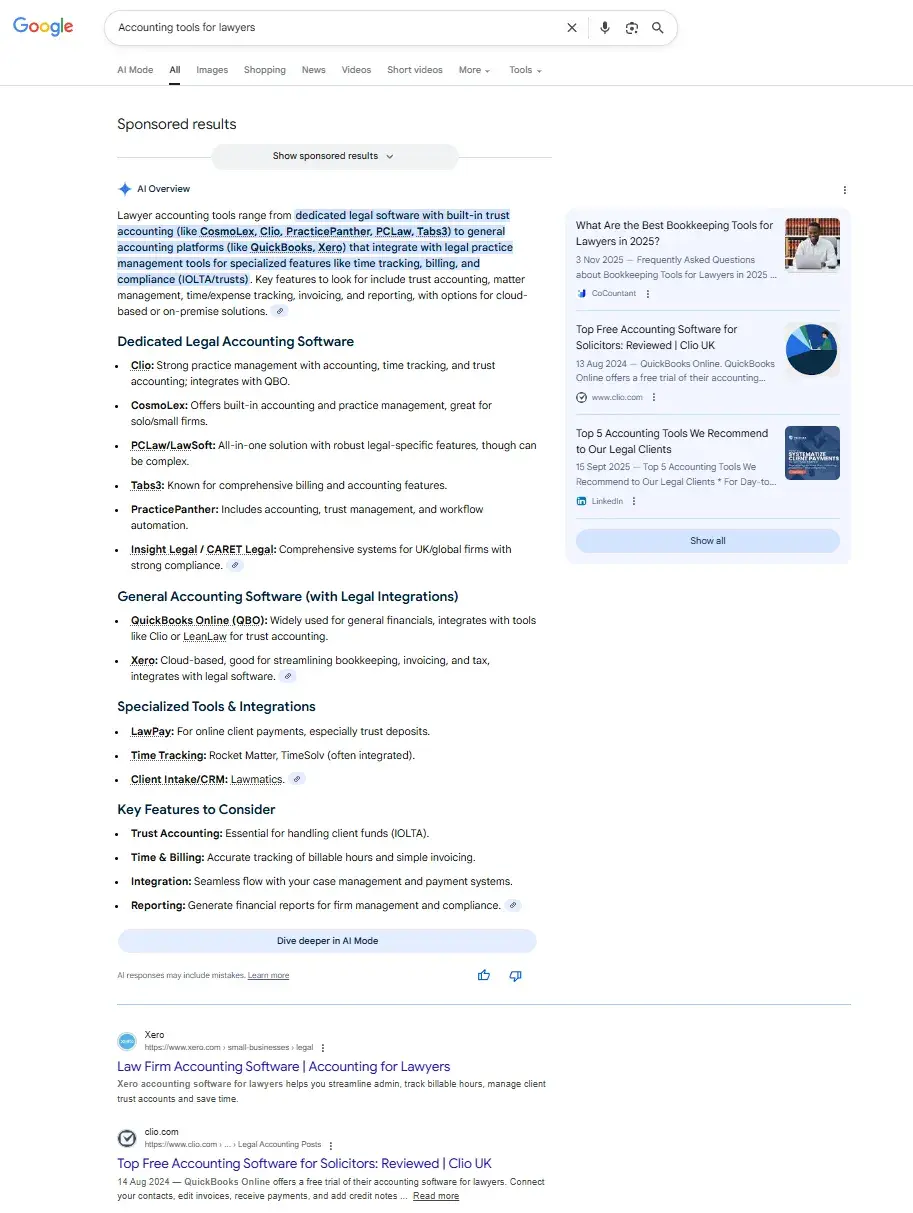
Large accounting companies are represented in the top organic positions: Xero and Clio. Of course, these brands are also represented in the AI overview.
The wonderful thing for small businesses is that the relevance of AI pays off. Brands such as CosmoLex, PC LawSoft and LawPay are also featured.
These brands gain visibility through their targeting and relevance. CosmoLex landed on page two; LawSoft and LawPay weren’t even in the top 5 organic search results for the search term.
The takeaway: SEO or GEO/AEO specialists should not be put off by traditional SEO when trying to rank in AEO. By focusing on relevance, your website can still become visible even if it doesn’t rank well in traditional SERPs.
Entity mapping
Entity mapping helps answer engines (and traditional search engines) understand what the content is about And how it relates to the broader knowledge graph.
Here is an example of how entities are included in content based on this article. When optimizing for “keyword research for AEO,” an entity-based approach isn’t just limited to keywords. It connects this topic with related concepts such as:
- AI search
- Large Language Models (LLMs)
- User Intent
- AI visibility measurement
- And more
These are different units that together form a comprehensive thematic knowledge that search engines use to understand, evaluate and trust content.
The entities associated with the article go beyond the on-page topics listed above. HubSpot itself is a significant entity in the broader search and AI search landscape. Writing articles like this will link HubSpot (the brand) and its products to the AEO keyword research unit. This is specifically noted later in the “Tools” section of the article XFunnel by HubSpot as a keyword research tool for AEO and LLMs.
Pro tip: Entity SEO has been around for a long time. It may seem like the new buzzword to some, but I think it’s important not to get too caught up in entity SEO. Most good search and content marketers will inherently include the right entities because common sense goes a long way. For a sophisticated approach to entities, Read more about structured data and schema markup.
Here are some tips for entity mapping:
- Map core and related entities. First, identify the primary topic entity for the content, then expand outward to include related tools, technologies, organizations, roles, and concepts. For example, a topic like “AEO keyword research” naturally connects to entities like AI search, LLMs, content optimization, or a related product or service.
- Strengthen contextual understanding. Strong entity coverage helps answer engines understand relationships between concepts, not just the proximity of keywords. When entities are clearly defined and consistently referenced, AI systems can better interpret meaning, relevance and authority.
Cross-engine
In general, traditional SEO had one main focus: Google. SEO focused on Google because the company held the largest search engine market share worldwide (over 88%). Traditionally there was Google and some other market leaders, Bing or DuckDuckGo, with minimal share compared to Google.
However, in 2026 and beyond, search is changing and becoming more fragmented. There is Google and traditional SEO, AI overviews and several AI platforms like ChatGPT, Claude and Perplexity that are gaining recognition and users.
FirstPageSage Reports a growing number of ChatGPT users, with significant growth in the second and third quarters of 2025.
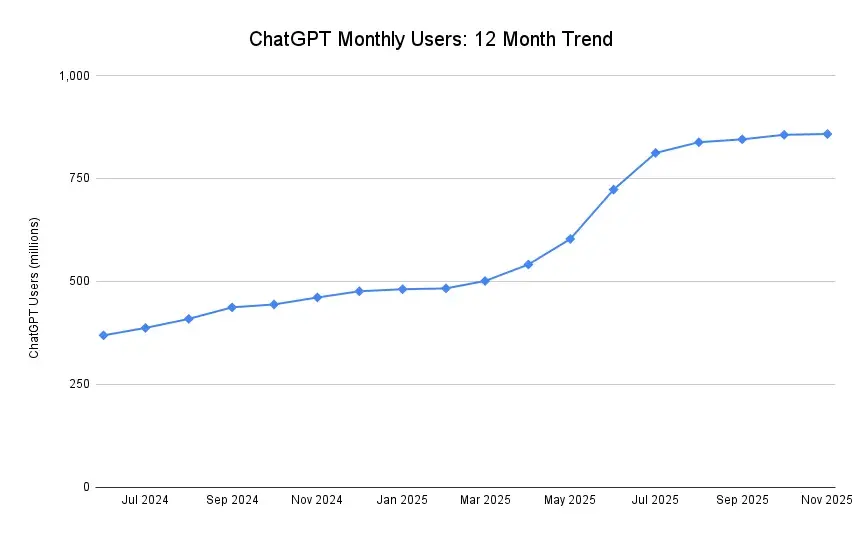
And that’s just a search platform.
Here lies the challenge: SEO teams such as SEO, AEO or GEO experts cannot conduct keyword research for every search tool, but they must write and optimize content so that it ranks in the search engines.
Users discover information in a fragmented ecosystem that includes:
- Traditional search
- AI-powered SERP features
- AI search tools like ChatGPT or Perplexity
- Social media
A cross-machine approach ensures that keyword and entity strategy holds up wherever discovery occurs.
Search specialists must:
- Research beyond Google. Although Google still plays a big role, relying solely on Google’s keyword data creates blind spots. Different response engines provide different questions, follow-ups, and interpretations of intent. Cross-engine research looks for patterns that appear consistently across AI tools, not just in a single interface.
- Validate visibility across multiple systems. AEO teams cannot measure success in the AEO space based on a single ranking. Recurring mentions, citations, and visibility across multiple response engines confirm this. This makes cross-engine testing and monitoring a core part of the keyword research process rather than a downstream activity.
- Consider different algorithms. Some engines, like ChatGPT, summarize information without citations, while others, like AI Overviews, frequently cite sources. Others, like Sigma AI, guide users through follow-up questions.
Pro tip: Although it is important to meet the expectations of the algorithm, you should not lose the human you are writing for in favor of the machine.
Responsibility over volume
When it comes to AEO keyword research, the ability to answer a question that the ideal customer is asking is more important than the frequency with which the target audience searches for the question.
Why?
Because reaching the target audience, solving their problems, answering their questions and converting them is more important than just focusing on vanities like visibility. Additionally, AEO focuses on accountability: how easily a response engine can extract, understand, and trust the content.
A simple way to assess answerability is with an answer score based on three core factors:
- clarity. Is the answer direct, clear, and easy to understand without additional context? Write a clear, concise statement as succinctly as possible; explain in more detail later if necessary.
- Extractability. Can the answer be easily found on the page? Content that is structured with clear headings, short paragraphs, lists and FAQs is much easier to extract and reuse by answer engines.
- Corporate coverage. Does the content clearly define and connect the key elements associated with the question? Strong entity coverage helps AI systems validate accuracy and relevance against other trusted sources.
Equally important is Identifying the questions people actually ask This almost comes full circle back to intent and knowing what the audience is looking for.
Tools like HubSpot’s AEO Grader can help verify this by analyzing how well the content matches the response engine’s expectations. It provides a practical way to assess clarity, structure and overall AEO readiness.
Conversational phrasing
Conversational phrases reflect the way users interact with AI systems. Humans don’t invoke AI tools with fragments; They use complete sentences, comparisons, examples, and scenario-based prompts. Optimizing these conversational behaviors increases the likelihood that content will match the way response engines interpret and respond to requests.
HubSpots Content Hub supports this by providing real-time SEO suggestions As marketers write, it helps teams naturally integrate the phrasing and structure of conversations. This makes it easier to create content based on how users actually interact with AI tools.
Keyword Research for Answer Engine Optimization: Step by Step
Keyword research still plays an important role at AEO, but it is a Starting point.
Here are two things to keep in mind:
- Traditional keyword tools have never been accurate. Search volumes are based on historical data and are rarely accurate. We know this because SEO keyword research tools cannot show clicks, but in reality the keywords are getting clicks and even conversions.
- A keyword was always the starting point. An SEO strategy based solely on keywords, without strategy, content clustering, business goals, or topic depth, was always doomed to failure.
AI-driven search has significantly increased the gap between keywords and actual searches. As search becomes more conversational, personalized and context-rich, no single tool can fully capture every sentence or question or how answer machines interpret them.
That doesn’t mean keyword research is outdated. That means it needs to expand if AEO takes center stage. The next section describes some ways search specialists conduct keyword research for AEO.
1. Find conversation requests with autocomplete.
Autocomplete features remain one of the most reliable ways to understand how users naturally phrase questions. Although volume data is not available, autocomplete displays real language patterns based on actual search queries.
Here’s how to do AEO keyword research with Google. However, keep in mind that this method also applies to other tools, especially social media searches.
Enter a Put the keyword into a search engine, AI tool, or social media search.
I typed “SEO keyword research for…”
As I typed, autocomplete opened and displayed a list of frequently searched queries.
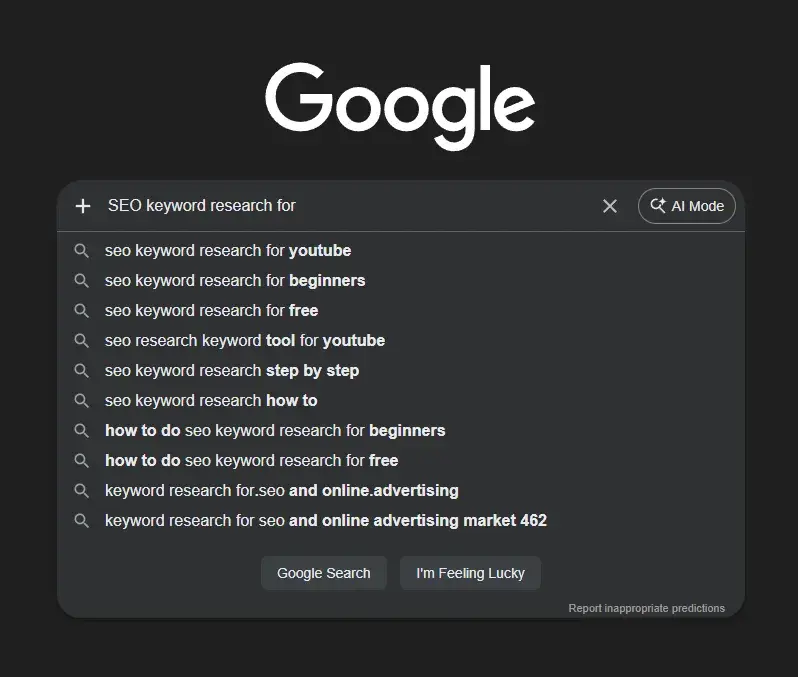
These queries can inspire any content or audience.
Use this information to:
- Discover suggestions for complete sentences, comparisons and scenario-based formulations.
- Capture follow-up style prompts that indicate a deeper or adjacent intent (Sigma AI is good for this).
- Discover audiences that marketing should target.
This is what the follow-up area looks like in Sigma AI:
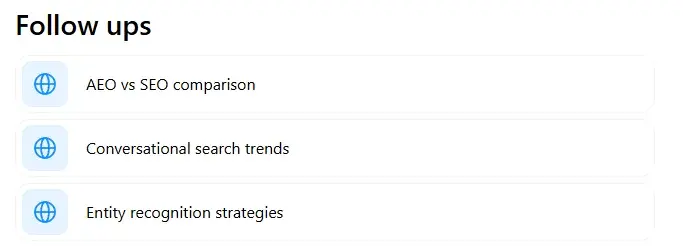
Autocomplete is particularly useful for AEO because it reflects how users move beyond short keywords to long-tail keywords.
In practice, autocomplete provides strong directional insight but does not capture the entire picture. Conversations with customers help uncover nuances, connections, and issues that cannot be uncovered with keyword tools alone.
Pro tip: When autocompleting AEO searches, work in incognito mode so that search history does not influence what is displayed.
2. Talk to customers and find specific problems that your product or service can solve.
Some of the most valuable AEO keyword insights don’t come from tools at all; They come directly from customers. Customer interactions can refine one B2B SEO strategy, especially in niche B2B. Real conversations reveal nuances that search data cannot fully capture.
Take the autocomplete search from above. There are a few target groups there: beginners, YouTubers and online advertisers.
If I wanted to help these audiences as an SEO, I would find clients or focus groups that fit into these categories and ask them what they want from me.
That means:
- Review sales calls, support tickets and onboarding questions Recognize recurring problems and language patterns.
- Pay attention to repeated formulations, objections and edge cases that don’t show up in the keyword tools.
- Document how customers describe their problems in their own wordsnot what marketers call them.
- Consider the context behind the questionsB. Budget constraints, experience level or technical limitations.
- Identifying follow-up questions customers ask after an initial responsewhich are often due to multi-turn AI search behavior.
- Identify gaps between customer questions and existing contentthereby uncovering high value AEO opportunities.
These insights help transform keyword research from abstract search data into real-world, answerable problems—exactly the type of content AI systems are designed to uncover and cite. Only when marketing understands the audience and their problems can it serve them.
Questions to ask your target audience (for AEO keyword research):
Understand the problem
- What problem were you trying to solve when you started looking for a solution?
- What made this issue urgent or important to you?
- What have you already tried and why didn’t it work?
- What would success look like if this problem were solved?
How She search and ask questions
- How would you describe this problem in your own words?
- What was the first question you asked when you started researching?
- What other questions did you have after you received an initial response?
- What confused you or was unclear to you during your search?
Language and phrasing
- What terms or phrases came naturally to you when you searched?
- Were there any words or explanations that seemed too technical or unclear?
- How would you ask this question out loud to a colleague or an AI tool?
- Did you search using complete questions, comparisons, or examples?
Evaluate existing answers
- Which answers did you find helpful and why?
- Which answers felt incomplete or generic?
- What information did you still need after reading existing content?
- Is there anything you wish someone had explained more clearly?
Decision making and trust
- Why did you trust one source more than another?
- Did brand reputation influence which answers you believed?
- What piece of evidence or detail helped you feel confident about the answer?
- What would have made an answer more useful or actionable?
Context and limitations
- What constraints did you work under (budget, time, tools, experience)?
- Did your role or experience level influence how you searched?
- How have your needs changed as you learned more about the topic?
3. Use LLM query fanouts to expand ideas.
A query fanout is the process of taking a single question and expanding it into related follow-up questions, refinements, and edge cases. It reflects how real users explore a topic in AI-powered search. Large language models (LLMs) are particularly effective here because they simulate conversation discovery rather than linear keyword expansion.
Query fanouts help marketers understand the conversation space around a topic, not just the initial query.
Instead of focusing on a wording, query fanouts show how a question evolves as users look for clarity, comparisons, and context. The system generates multiple smaller searches in parallel – follow-ups, clarifications and comparisons – and then combines the results into a comprehensive answer. It’s not just about what the user explicitly asked, but also about the implicit needs and related aspects behind the original request
This means the AI response will be richer, more complete and better tailored to what users really want to know, not just the single sentence they entered.
This technique is also useful for marketers.
It means:
- Entering a key question into an LLM.
- Ask it to generate follow-up questions, clarifications, and edge cases.
- Identifying patterns in how problems are reformulated or refined.
In practice, LLM fanouts often reveal levels of intent that traditional keyword tools miss, particularly comparisons, qualifications, and “what if” scenarios. These insights become powerful inputs for AEO-focused content that anticipates how conversations will evolve.
4. Map entities and semantic variants.
Mapping entities and semantic search variants ensures that the content builds contextual understanding that goes beyond the words that appear on the page.
That means:
- Identify the primary topic entity that the content covers, for example response engine optimization, keyword research or AI search.
- Extension to related entitiesE.g. concepts, tools, roles, industries and use cases that are naturally linked to the main topic.
- Mapping semantic variantsincluding synonyms, alternative wordings, and commonly used industry terms that describe the same ideas in different ways.
- Defining relationships between entitiesrather than listing them in isolation.
When entity mapping is done well, content no longer just competes for formulation but competes for comprehension, which is exactly what response engines are designed to reward.
This entity mapping also helps with traditional search engine optimization. The more a website demonstrates deep knowledge of what a company does, who it serves, and how it serves them, the greater the chances of ranking.
With HubSpots Content HubMarketers can create and optimize content with built-in SEO recommendations, ensuring strong entity coverage and semantic depth. This supports content that is easier for response engines to interpret and trust.
5. Information about zero search can be found in Google Search Console.
Google Search Console (GSC) is a powerful source for AEO keyword discovery, especially for finding targeted niche queries that don’t reliably show up in keyword research tools.
Because GSC reflects real search queries that have already triggered contentIt is extremely valuable for recognizing how users frame questions, explore nuances, and search beyond obvious keywords.
That means:
- Analyze the search queries for which a website is already displayednot just the ones SEO intentionally targets.
- Identifying long-tail and conversational queries with impressions but limited reporting.
- Identify niche questions that point to specific use cases, limitations or audience segments.
These requests often represent AEO opportunities because they show interest, intent, and genuine language.
Finding such opportunities is easy. Use the performance report and review ranking keywords. Tools that identify long-tail keywords lead to specific problems or audiences. Example: “(Product) for (Problem).”
GSC combine with Search Analytics for tables makes checking keywords even easier.
This is how I use it:
Open Google Sheets > Open extension from menu > Extensions > Search Analytics for Sheets > Open sidebar.
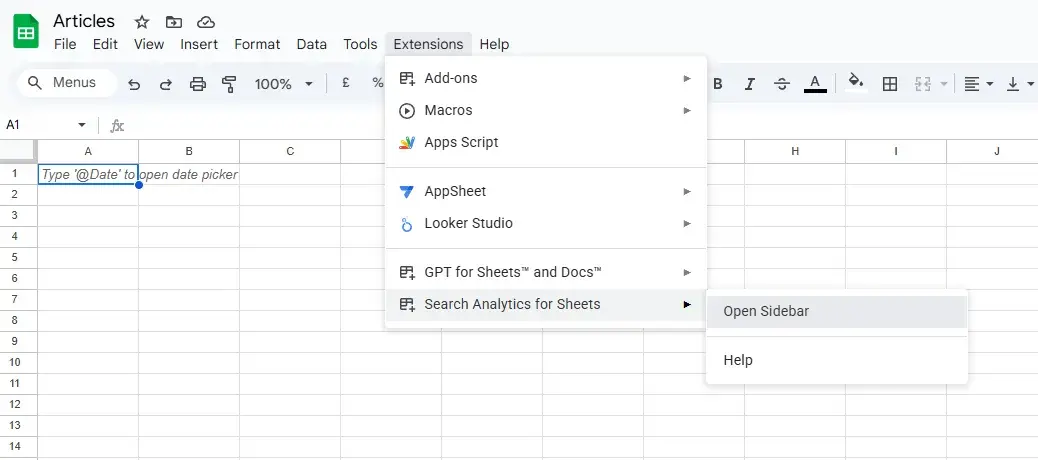
Once the sidebar opens, you can customize the query by adding filters and dimensions.
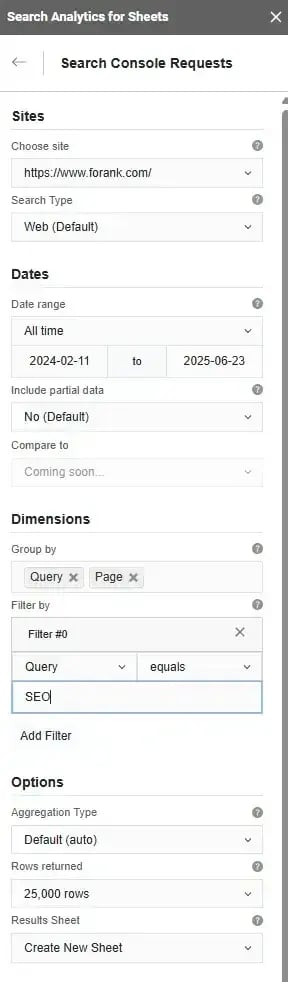
When you’re done, scroll down and click “Request Data.”
In this example, I filtered the keywords to those that contain “SEO.” This is what the output looks like in Google Sheets:
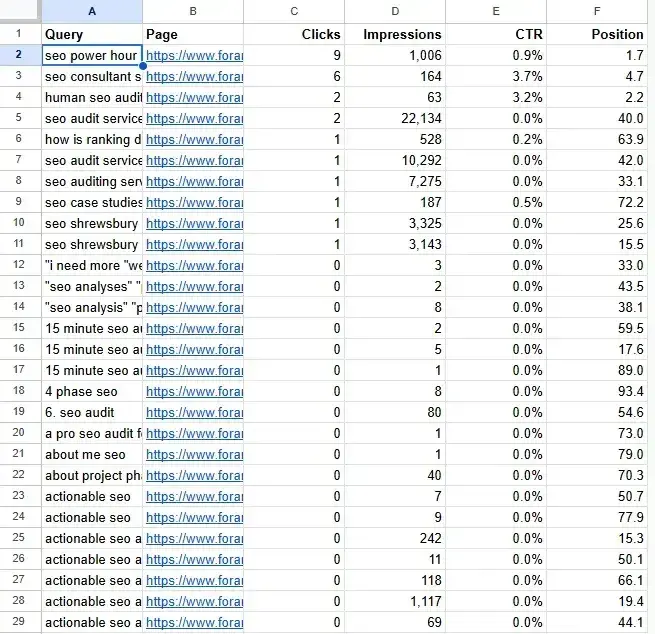
From here I rely on formulas and conditional formatting to help me get the job done.
Content strategists can combine these insights with this HubSpot’s SEO tools to analyze performance and uncover optimization opportunities directly within content workflows. This helps teams convert long-tail, high-intent queries into structured, answerable content that is more likely to be viewed by response engines.
Pro tip: For niche queries or specific problems, try to highlight keywords that include words like “for,” “with,” “without,” “versus,” or “best.”
Keyword research tools for AEO
XFunnel
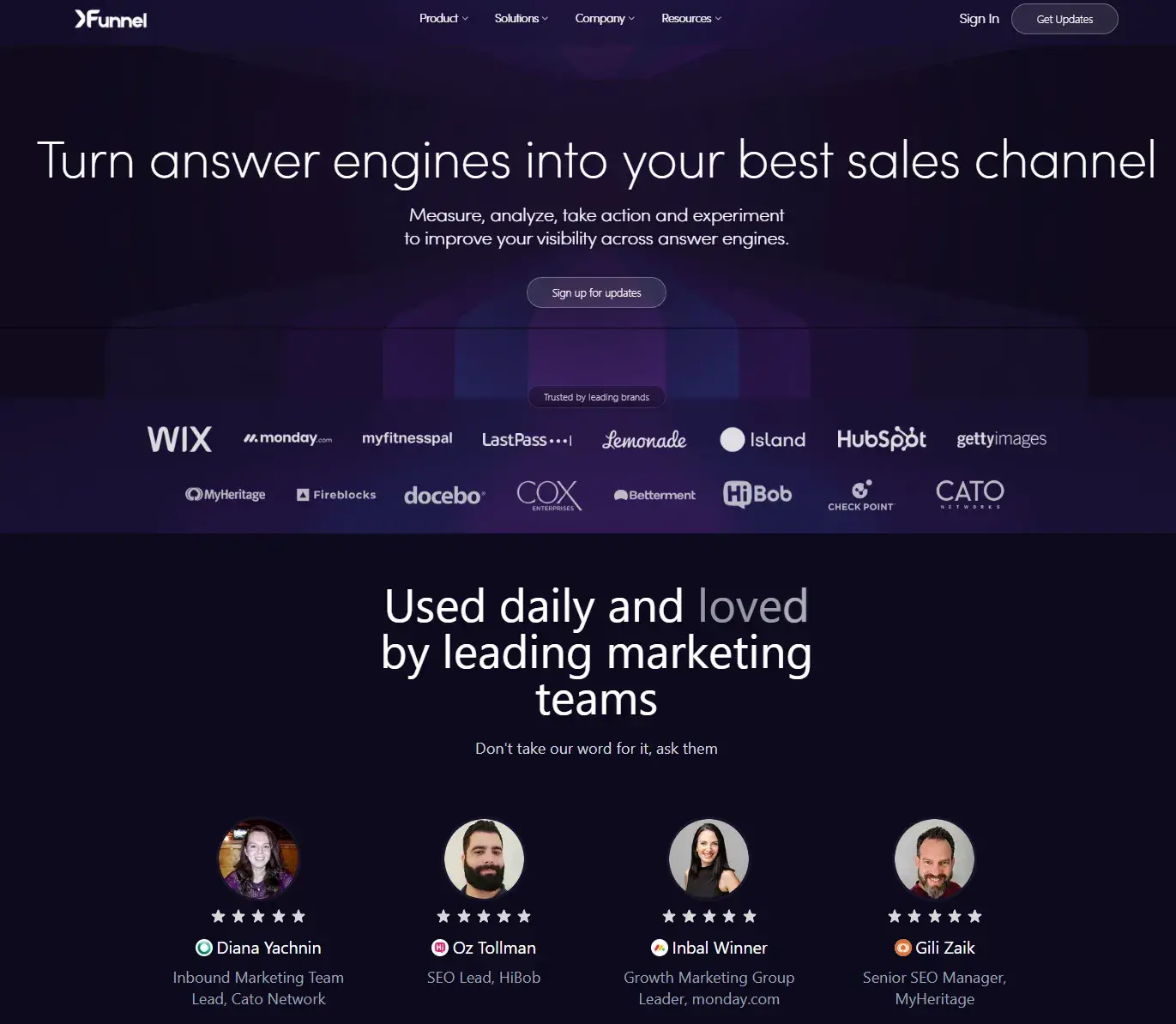
HubSpots XFunnel Measures LLM visibility and AI search performance. XFunnel helps marketers understand how brands and content appear in AI-generated responses, not just whether pages rank in traditional search results.
It was developed specifically for AEO and GEO and shows whether and how AI systems reference and cite a brand. XFunnels Research The functionality is particularly valuable for designing the AEO keyword strategy.
How XFunnel AEO helps:
- Discover which prompts and questions trigger AI responsesWell topic.
- Identify the brandsEntities and sources that LLMs already trust.
- Compare how different queries lead to different answers across response machines.
- Identify surface gaps and areas where company coverage is low, topic depth is lacking, or competitors are quoted instead.
These insights can improve the keyword research process by guiding decisions about which questions to address, which entities to prioritize, and how to structure content so that it is more likely to be selected and synthesized by AI.
Semrush
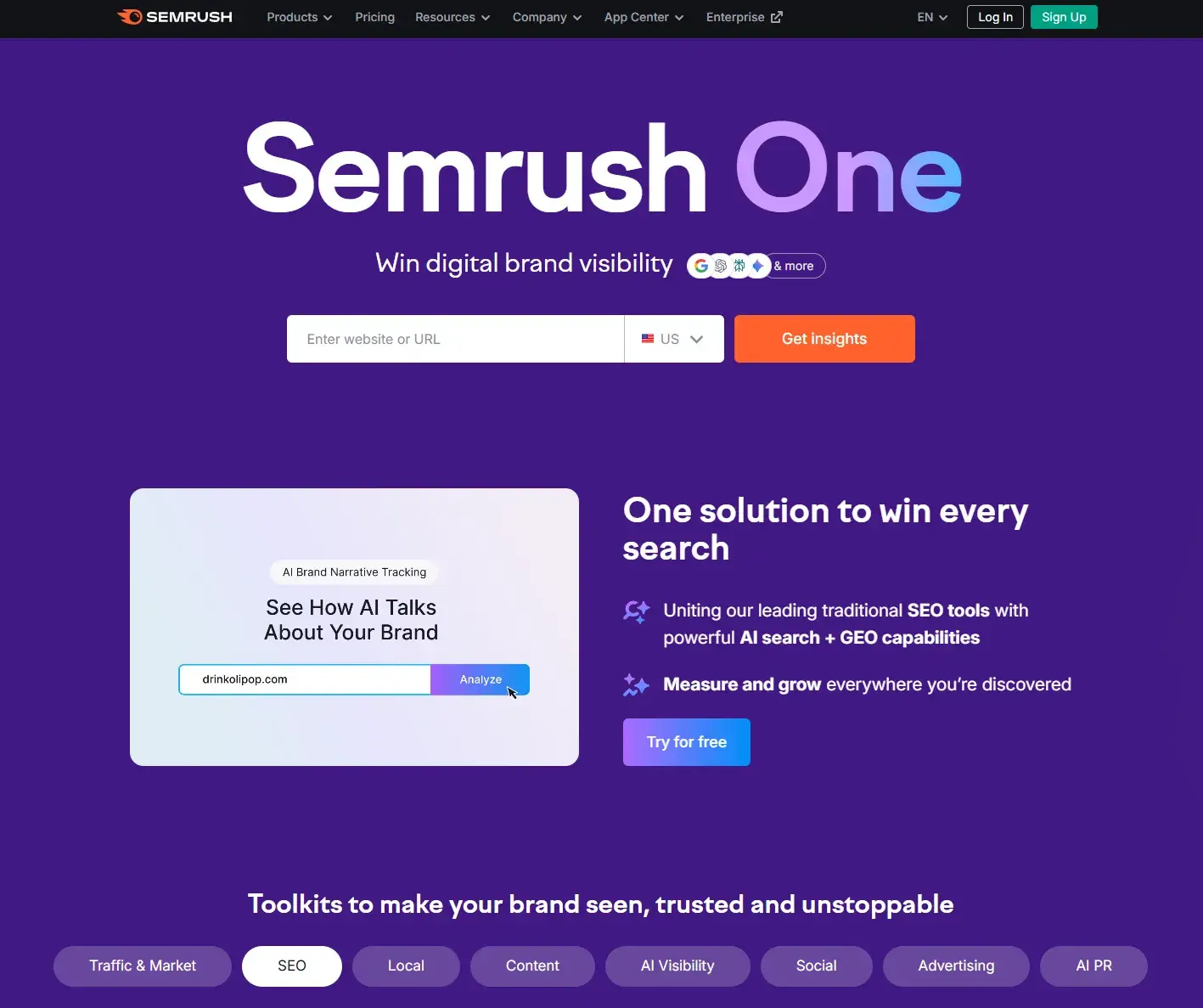
Semrush is a comprehensive SEO platform with AEO features.
How SEMrush AEO helps:
- seeds keyword and finding topics Help marketers identify themes.
- Semrush AIO helps marketers track visibility in AI engines.
Starting price: $199/month, AI features are an additional $99.
What I like: SEMrush has been in the SEO space for a long time and has been quick to integrate AI features. I used the AI Visibility Plans and the recommendations the tool gave were very good.
Also asked
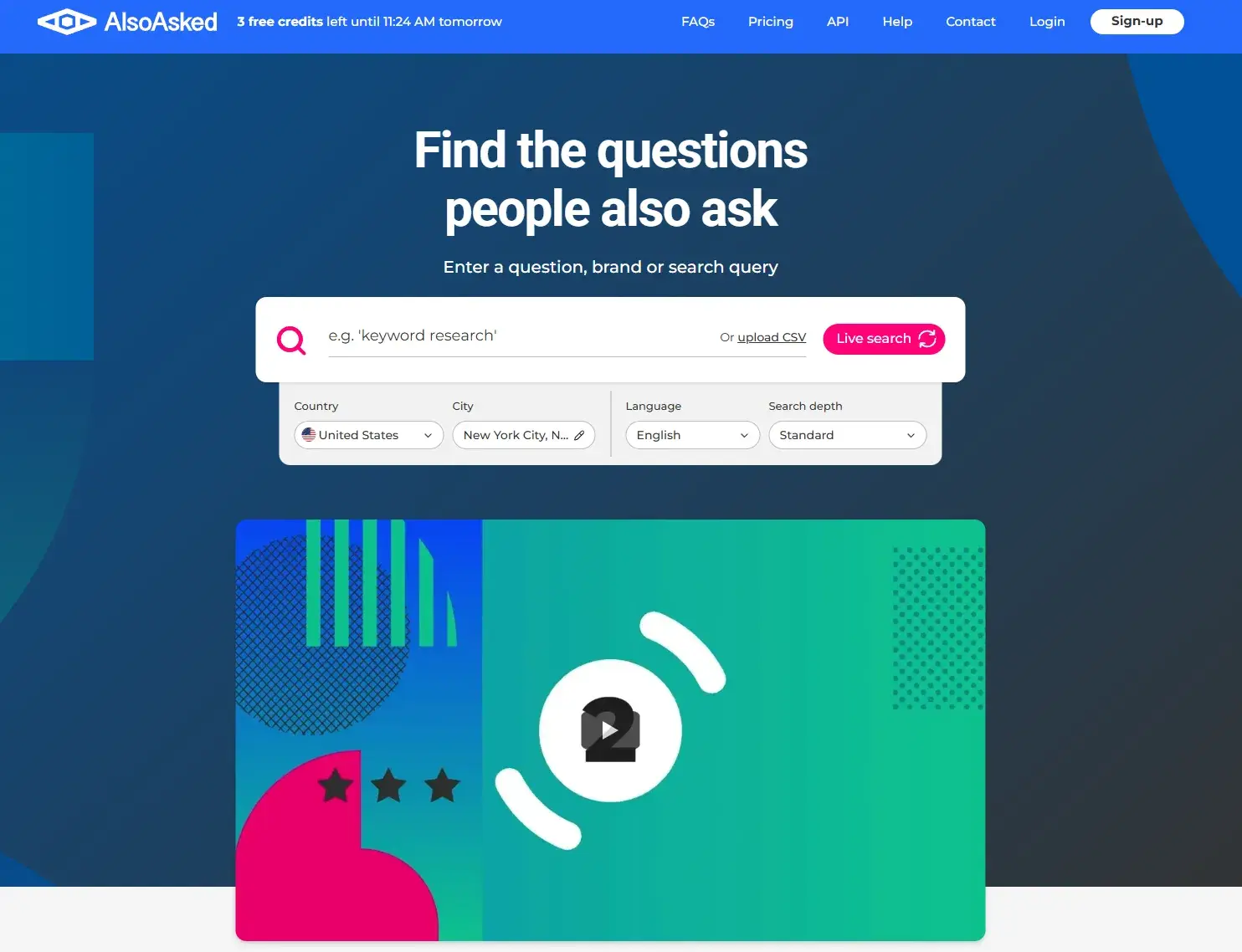
Also asked is a question-based search tool that visualizes how people ask follow-up questions about a topic.
How AlsoAsked supports AEO keyword research:
- Uncover real question chains and follow-up questionsthat reflect how users interact with AI search and multi-turn conversations.
- Helps marketers understand the depth and progression of the questioninstead of isolated keywords.
Starting price: Free, limited use; then $12/month.
What I like: AlsoAsked is great for exploring how questions develop naturally. It’s easy to use and can serve as inspiration for content strategies.
AnswerThePublic
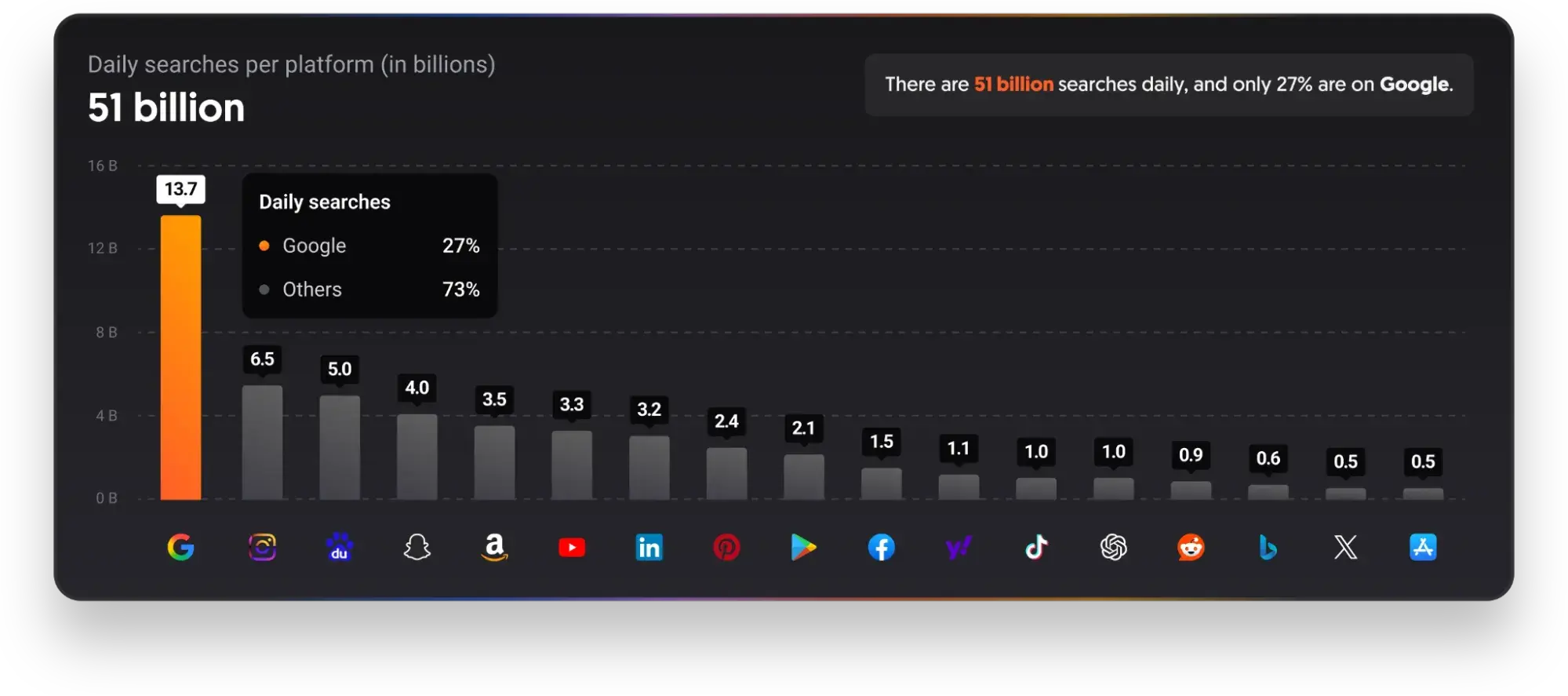
AnswerThePublic is a search listening tool that collects autocomplete data from search engines, social platforms and AI tools to uncover how people actually formulate search queries. It is particularly useful for AEO because it reflects real, conversational input rather than abstract keyword variations.
How AnswerThePublic supports AEO keyword research:
- Provides real, conversational questions (most important for AEO). Pulls autocomplete data from platforms like Google, YouTube, and AI tools and asks marketers and SEOs the exact natural language questions users are asking – ideal for optimizing content for AI-generated answers.
- Maps intent through structured question groupings. Organizes queries into categories such as questions, comparisons, and prepositions, helping marketers structure content into formats that LLMs can easily analyze and synthesize.
- Identifies emerging questions with search listening capability. Tracks new and evolving queries over time through notifications, helping marketers target new topics before they become overwhelmed with searches or AI responses.
Starting price: Free (limited search); Paid plans start at around $20/month or around $13/month and are billed annually.
What I like: AnswerThePublic stands out for its ability to convert raw data into structured, intent-driven question sets for autocompletion. This is one of the fastest ways to translate a single topic into AEO-ready content perspectives that reflect how users actually interact with AI systems.
Frequently asked questions about keyword research for AEO
Is there a single keyword tool for AEO?
There is no single keyword tool for AEO and the tools available do not work in the same way as SEO keyword research tools. The tools do not provide consistent volume, ranking or competition data. Therefore, AEO keyword research requires a toolset stack and thorough manual research to improve the tools’ results.
How often should I update AEO content?
The update frequency for AEO content depends on the topic. The key is to keep the content fresh, factual and up to date, especially on highly competitive or fast-moving topics.
AI answers evolve quickly as new sources are indexed and cited.
Which schema types are most important for AEO?
FAQ pages, guides, articles, and product schemas are important to AEO because they help define content and provide context. These schema types make it clear what a page is about, what questions it answers, and how concepts relate to each other. These are all signals that response machines use to confirm their understanding.
The product, people, and organization schemas are also helpful because they connect entities. These types of schemas tell response machines who, what, and brand the content is about or who wrote it.
How do I demonstrate the influence of AEO on leadership?
The key metrics that illustrate the impact of AEO are conversion rate and revenue impact. These can be tracked in Google Analytics by analyzing how many conversions or how much sales were generated by traffic from AI sources.
Once business impact is established, include visibility signals to show how those results are achieved. AI mentions, citations, brand references, and presence in response engines help confirm that AEO efforts influence discovery even if users don’t click immediately.
HubSpots AEO grader can also support this by giving teams a benchmark for how well their content is optimized for AI visibility. This helps combine optimization efforts with measurable improvements in response engine performance.
What if LLMs cited competitors instead of us?
Competitors may be cited for content that is clearer, more comprehensive, or more aligned with user intent and company relationships.
Treat competitor quotes as research input. Analyze what they are quoted for, what topics they cover, and how they structure the answers. Then improve the content by closing gaps, expanding depth, and strengthening clarity. Over time, response engines often adjust citations as higher quality or more relevant sources emerge.
Use AEO keyword research and gain visibility.
Keyword research for AEO is not about abandoning SEO basics, but rather developing them further. As AI-driven search becomes more nuanced, conversational, and fragmented across platforms, the focus of effective AEO keyword research is shifting from volume and rankings to intent, entities, and accountability.
Platforms like HubSpot’s XFunnel bridge this gap by showing how brands and content appear in AI-generated answers and which entities and questions drive visibility. When combined with traditional research methods, this makes the AEO keyword strategy more measurable and actionable.
HubSpot’s SEO tools can support this shift by helping teams continually optimize content based on performance insights and on-page recommendations. This makes it easier to align content with intent, improves answerability, and increases the likelihood of showing up in AI-generated answers.
In my own experience, the teams that succeed with AEO are those that stop searching for keywords in isolation and start deeply understanding their audiences and the problems they are trying to solve. When marketers and SEO specialists focus on relevance, clarity, and intent, achieving visibility in response engines is far easier.