
Most SEO strategies are based on one goal: getting people through the door. This typically means driving traffic to the site, ranking for high-volume keywords, and attracting new users. But what happens after someone signs up or makes a purchase? This part of the funnel is often ignored. SEO doesn’t stop with acquisition. It can and should be used to support customer retention, improve the onboarding or post-purchase experience, and make your product or offer more understandable. So let’s break down the opportunities of post-conversion content, why it’s important for SEO, and how to identify and optimize it effectively.
Key insights
- Many SEO strategies overlook post-conversion content, even though this type of content is great for improving user experience.
- Post-conversion content can include help documents, knowledge bases, or product guides that serve as long-tail SEO assets.
- Engaged users generate positive signals and support SEO through branded searches and reduced churn.
- Identify post-conversion content by analyzing support tickets, customer interactions, and internal search queries.
- Creating valuable guides and linking to related content increases engagement and makes SEO efforts more effective.
Most brands stop too soon
SEO strategies (understandably) like to focus on the top of the funnel: traffic, rankings, and new users. However, conversion is not the goal. After someone registers or makes a purchase, they are still searching. They are still learning and still deciding whether they want to stay with you.
SEO can help here:
- Onboarding processes or post-purchase journeys
- Help documents
- Community content
- Knowledge bases
All of this is searchable, indexable and incredibly useful. Not just for users, but for long-term organic growth.
The opportunity in post-purchase content
Once someone uses your product or receives the purchase, depending on the company and industry, they often turn to Google (or your internal search) for answers about setup, usage, sizing, care, troubleshooting, or returns. This is where content such as help centers, knowledge databases, product explanations, FAQs or instructions come into play. If they are well structured, optimized for real user requests and updated regularly, they become long-tail SEO machines.
Another overlooked benefit is community forums or customer review/Q&A sections. Real user questions and real answers lead to long-tail keywords and user-generated content that is essentially self-perpetuating.
SEO benefits by retaining users and reducing churn
Customer retention is not just a product or support goal, but also an SEO goal. Engaged users generate more branded searches, click through internal content more often, share links, leave reviews, and make repeat purchases, creating positive engagement signals.
Reducing churn means people stay in your ecosystem longer, giving your site’s content more opportunities to be viewed, linked to, and build authority.
How to identify high-quality post-conversion content
This part isn’t a guess; You already have the answers. The key is to tap into the real questions and friction points your users face after they convert. Here’s how:
1. Support tickets
Check out the most common questions that indicate something isn’t working or that users don’t understand something. If the same problem keeps occurring, it’s a sign that you need better documentation or that your current documentation isn’t easy to find.
How to use it:
Turn top support issues into searchable help documents, step-by-step guides, or even short videos embedded in your knowledge base or product pages.
2. Customer interactions
Your customer-facing teams learn things you don’t from tickets. You will understand why certain products, features or steps in the purchasing process cause confusion.
How to use it:
Create content that supports onboarding or post-purchase usage, addresses underused products and features, or illustrates important steps to create value from what you purchase. Use the direct language of how customers describe problems and try to use it to your advantage. They will probably use the same language to search for a solution.
3. Internal search queries
Your internal website or knowledge base search is one of the best indicators of intent. What users search for after logging in or visiting your website will tell you exactly what they’re struggling with.
How to use it:
Identify the most common queries that produce poor or no results. Create or improve content that answers these questions. Optimize titles, headings and metadata so the right article appears first.
4. Feature usage or product engagement data
This is not the case with low usage always medium low interest rates; This may indicate unclear setup, poor discoverability, or hidden value.
How to use it:
Look at features or products with low adoption but high impact. Interview users who use it and analyze why it works for them. Then create content that leads others to the same result.
Types of high-quality content to create
- Feature walkthroughs or product usage guides: clear step-by-step instructions and guides with screenshots or GIFs.
- Setup checklists: specifically for more complex products
- Integration or compatibility guides
- Advanced use case tutorials
- Further explanations and tactful guidance for common mistakes
These elements not only improve the user experience, but also target long-tail search queries, reducing support burden and strengthening retention.
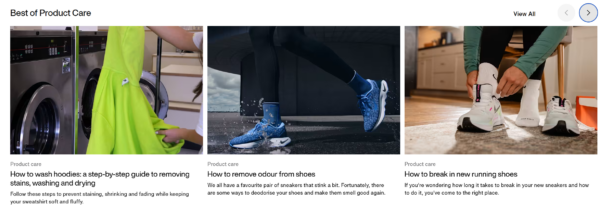
Below are examples of great post-conversion content:
Internal linking strategies that keep users engaged
Post-conversion content should not live in isolation. It should be linked, visible and reused throughout your ecosystem.
Ways to keep users moving:
- Link between related help documents
- Add “Next Steps” CTAs to knowledge base articles
- Include product training content in lifecycle emails
- Use breadcrumbs, related content widgets, and contextual links
If done right, once converted, your content will be transformed into an internal SEO web, improving engagement and giving users more confidence when using your products.
Why supporting existing users is good SEO and good business
If your SEO strategy focuses solely on acquisition, you’re leaving money (and traffic) wasted. Post-conversion content helps users get more value from your products, reduces friction, and builds long-term loyalty while creating indexable, intent-driven pages that can surface to search engines at crucial moments.
Do you want to take action? Start auditing your content after conversion. Plan for key moments after sign-up or purchase and ensure users receive support every step of the way. Display help documents, feature guides, and tutorials where they’re needed most and link to them with clear, targeted internal links.
SEO is not just about discovery. It’s about usability. It’s about trust. It’s about making sure your users stay and don’t just show up. If you want to build long-term, sustainable growth, this is what you should focus on.
